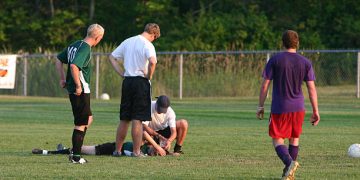
Causes of Concussion Causes of concussion generally involve a sudden impact or jolt that causes the brain to move within the skull. This can disrupt brain activity temporarily, leading to symptoms such as confusion, memory loss, headache, and dizziness. A concussion may result from a direct blow to the head or an indirect force that transmits to the brain, such as a hard hit to the body or neck. Common Causes Falls – One of the leading causes across all age groups, especially in young children and the elderly. Sport injuries – Contact sports like rugby, football, boxing, and hockey frequently lead to concussions due to high-impact collisions or tackles. Motor vehicle accidents – Even with airbags and seat belts, the sudden deceleration can cause the brain to collide with the skull. Assaults or physical altercations – Punches, kicks, or blunt trauma to the head are direct causes. Workplace incidents – Falls from ladders, construction accidents, or being struck by falling objects are not uncommon. Indirect Forces | Causes of Concussion Sometimes, the head is not directly impacted. Instead, a sudden motion such as whiplash from a car crash or violent shaking (as seen in shaken baby syndrome) can cause the brain to move abruptly, leading to a concussion. Increased Risk Factors Certain factors may make someone more vulnerable to concussions or increase the risk of complications: Previous concussions | Causes of Concussion High-risk activities or occupations Age (young children and the elderly) Pre-existing neurological conditions Lack of protective equipment during sports or work Concussions can happen during everyday activities. For instance, slipping in the shower or knocking one’s head on a cupboard corner may seem minor but can still lead to symptoms if the force is sufficient. To summarise, the causes of concussion stem from a wide range of physical impacts and movements that disturb brain function. Recognising these causes helps promote prevention strategies, proper safety measures, and early identification of potential injuries. [Next: Symptoms of Concussion →]
