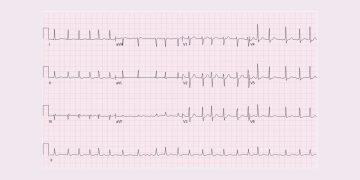
Diagnosis of Atrial Fibrillation
Diagnosis of Atrial Fibrillation AF is diagnosed by recording the heart’s electrical activity and rhythm. Diagnosis may occur during a routine exam or while evaluating symptoms such as a racing heart or shortness of breath Learn more about the diagnosis of atrial fibrillation in the 6 points below. Diagnostic methods: Diagnosis of Atrial Fibrillation In South Africa, public hospitals and clinics provide ECGs, but advanced monitoring may only be available in larger urban centres or private cardiology practices. If symptoms are missed or ignored, AF may go undiagnosed for years — increasing stroke risk. Early Diagnosis Saves Lives Accurate and timely diagnosis of atrial fibrillation is essential to prevent serious complications like stroke. Using tools such as ECG, Holter monitors, and echocardiograms, healthcare providers can detect AF early, even during asymptomatic episodes. Bridging the Gap in South Africa In South Africa, while ECGs are widely available in public health settings, advanced diagnostic methods are often more accessible in urban areas or private clinics. Early detection through regular check-ups, especially for those at risk, is vital for reducing the long-term impact of AF and ensuring effective management. 👉 [Next: Treatment and Management of Atrial Fibrillation] Atrial Fibrillation Causes and Risk Factors of Atrial Fibrillation Living Well with Atrial Fibrillation Complications of Atrial Fibrillation
