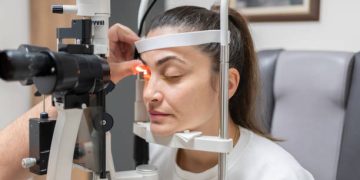
Diagnosis of Conjunctivitis Diagnosis of conjunctivitis is typically straightforward and based on clinical evaluation of the symptoms and patient history. In most cases, the appearance of the eye and the type of discharge provide enough information for an accurate diagnosis. However, because conjunctivitis can mimic other eye conditions, careful assessment is necessary to avoid complications or inappropriate treatment. Initial Clinical Assessment The healthcare provider will begin by asking about: Onset and duration of symptoms Type and colour of eye discharge Exposure to others with similar symptoms Presence of allergies or other health issues Use of contact lenses or eye drops This detailed history helps determine whether the conjunctivitis is infectious, allergic, or irritant-related. Physical Examination | Diagnosis of Conjunctivitis Doctors examine the eyes with a light source or slit lamp to evaluate: Redness and location of inflammation Swelling of eyelids or lymph nodes Condition of the cornea Type of eye discharge The examination helps exclude other serious eye problems, such as uveitis, keratitis, or acute glaucoma, which can present similarly but require very different treatments. Swab or Culture Testing If the diagnosis is unclear, if the symptoms are severe, or if the patient is not improving with initial treatment, the doctor may take a swab of the eye discharge for laboratory testing. This helps: Identify the specific virus or bacteria Determine antibiotic sensitivity Rule out sexually transmitted infections in neonatal or adult cases These tests are particularly important for patients who wear contact lenses or those with immune compromise. Allergy Evaluation | Diagnosis of Conjunctivitis If allergic conjunctivitis is suspected, referral to an allergist may be recommended for skin prick tests or blood tests to identify triggers. Knowing the specific allergen can improve treatment outcomes through avoidance strategies or immunotherapy. To conclude, diagnosis of conjunctivitis relies on careful evaluation of symptoms and patient history. When necessary, further testing supports accurate identification and ensures targeted, effective treatment to minimise complications and speed recovery. [Next: Treatment of Conjunctivitis →]
