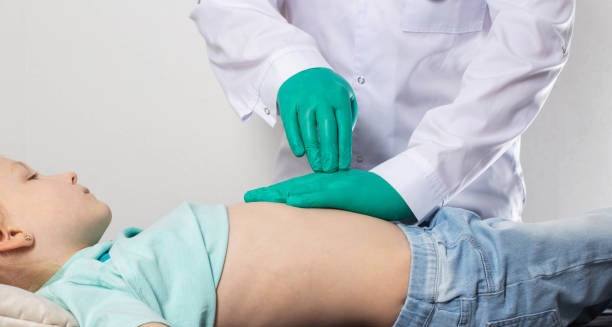
Complications of Malnutrition
The complications of malnutrition are wide-ranging, affecting nearly every system in the body. Whether it is undernutrition or overnutrition, prolonged nutritional imbalance can have severe, often irreversible consequences. These complications may develop gradually or emerge suddenly, especially in vulnerable populations such as infants, the elderly, pregnant women, and individuals with chronic illness.
Understanding the full scope of the complications of malnutrition is vital for timely prevention, early action, and proper management. In severe or untreated cases, malnutrition can lead to disability, poor quality of life, and even death.
1. Weakened Immune System and Increased Infections
One of the most immediate and serious complications of malnutrition is a weak immune system. When the body lacks key nutrients like protein, iron, zinc, vitamin A, and vitamin C, it cannot fight off germs well.
As a result, people with malnutrition often face:
- Frequent colds and chest infections
- Slow wound healing
- Higher risk of pneumonia, tuberculosis, urinary infections, and sepsis
In children, a weak immune system makes diarrhoea and malaria more likely. This creates a cycle where infection worsens nutrition, and poor nutrition fuels more infection.
2. Muscle Wasting and Physical Weakness
Malnutrition, especially when protein is lacking, forces the body to break down muscle to survive. This causes:
- Muscle shrinkage
- Loss of strength
- Trouble moving and more falls
- Constant tiredness
In older adults, this leads to sarcopenia, which is age-related muscle loss. This raises the risk of fractures, bedsores, and hospital stays.
3. Delayed Growth and Development in Children
One of the most tragic complications of malnutrition occurs in childhood. Long-term poor nutrition can cause:
- Stunted height
- Wasting (too thin for height)
- Slow motor skills, speech, and social growth
- Lasting brain problems and weaker school performance
Children who face malnutrition early often carry health issues into adulthood, along with lower productivity.
4. Cognitive Impairment and Mental Health Issues
The brain needs steady nutrition to grow and function. Lack of key nutrients causes:
- Trouble focusing
- Poor memory
- Mood swings and irritability
- Depression and anxiety
Iron, omega-3 fats, and B vitamins (especially B12 and folate) play a major role. Without them, the brain struggles. These shortages can also worsen existing mental health conditions.
5. Anaemia and Blood Abnormalities
Anaemia is one of the common complications of malnutrition. Iron deficiency is the main cause worldwide, but lack of folate, B12, and protein also play a part. Anaemia brings:
- Constant fatigue
- Shortness of breath
- Pale skin
- Dizziness
Pregnant women with anaemia face a higher risk of early birth, low birth weight, and even death during childbirth.
6. Gastrointestinal Problems
Poor nutrition directly harms the gut. A lack of fibre, fluids, and micronutrients can lead to:
- Constipation or diarrhoea
- Irritable bowel symptoms
- Poor nutrient absorption
- More stomach infections
Once absorption weakens, malnutrition worsens, forming another vicious cycle.
7. Hormonal Imbalance and Reproductive Issues
Malnutrition disrupts hormones. In women, this can stop periods or cause irregular cycles. In both men and women, it can cause infertility. Other problems include:
- Low sex drive
- Erectile dysfunction in men
- Delayed puberty in teens
For pregnant women, poor nutrition increases miscarriage risk, poor baby growth, and complications during labour.
8. Organ Dysfunction and Failure
Severe malnutrition can damage key organs over time. Examples include:
- Fatty liver disease or liver failure
- Kidney problems from dehydration or protein loss
- Heart rhythm issues or low blood pressure
- Poor insulin production from the pancreas
When the body runs on poor nutrition for too long, the damage can become permanent.
9. Hypothermia and Poor Thermoregulation
Without enough body fat or muscle, the body cannot stay warm. This danger is highest in:
- Newborn babies
- Elderly adults
- People exposed to cold weather
Even mild hypothermia can be deadly in someone already weakened by malnutrition.
10. Bone Density Loss and Fractures
Weak bones are another serious complication of malnutrition. Lack of calcium, vitamin D, protein, and magnesium leads to:
- Osteoporosis or osteopenia
- Curved spine or deformities
- Fragile bones that break easily
- Slow bone healing after injury
Women, especially after menopause, are most at risk.
11. Skin and Hair Disorders
Poor skin and hair health often reveal the complications of malnutrition. Common signs include:
- Dry, flaky skin
- Slow wound healing
- Brittle nails
- Thinning or hair loss
- Skin patches or dermatitis
Doctors often use these outward signs as clues for hidden deficiencies.
12. Increased Mortality Risk
In its worst form, malnutrition raises the risk of death. This is especially true for children under five, sick elderly patients, and people with chronic illnesses like cancer or AIDS.
Even mild malnutrition can worsen recovery from infections, surgery, or chemotherapy.
13. Social and Economic Impact
The complications of malnutrition stretch beyond health. They cause:
- Poor school results and attendance in children
- Job loss and reduced income in adults
- Higher medical costs for families and communities
In poor regions, widespread malnutrition locks entire societies into cycles of poverty and poor health.
Conclusion
The complications of malnutrition affect the body, mind, and society as a whole. Many of these problems can be prevented or even reversed with early diagnosis, steady care, and proper diet. Tackling them requires teamwork among health workers, families, and policymakers. By acting early, communities can reduce the heavy impact of malnutrition on future generations.