
Mental Matters

Autism Spectrum Disorder

Virtual support session for neurodivergent individual

Online Support for Neurodivergent Individuals

Accessing support as a neurodivergent individual—or as a parent or caregiver—shouldn’t be limited by location. Thankfully, a growing number of organisations offer online support for neurodivergent individuals through programmes and virtual communities built around acceptance, understanding, and meaningful connection. Whether you’re looking for peer support, parenting guidance, or employment pathways, these online platforms make it easier to find your tribe and get the help you need—wherever you are. The Neurodiversity Centre Designed with inclusivity at its core, The Neurodiversity Centre offers online, goal-directed support groups for a range of neurodivergent people. These include virtual spaces for autistic women and men, teenagers, and adults navigating Pathological Demand Avoidance (PDA). Parents of children with PDA also have a safe and supportive space to share experiences and strategies. These sessions encourage belonging, understanding, and personalised growth—without ever having to leave your home. The Neurodiversity Hub (Australia) More than just a website, The Neurodiversity Hub is a global community of practice developed by Untapped Talent. Built from the contributions of academics, professionals, and advocates, it champions inclusive employment for neurodivergent individuals—especially young adults. Their platform connects users to resources, training, mentorship, and tailored programs that unlock hidden talent, while also supporting veterans, elite athletes, and First Nations individuals. The Hub is a home for those who want to thrive in the workplace—and beyond. ADDA (Attention Deficit Disorder Association) ADDA offers dynamic, virtual peer groups and online support programs for adults with ADHD. Their sessions cover a wide range of needs, from ADHD beginners to women over 50, young adults, men with ADHD, and even those looking to build healthy daily habits. Groups meet bi-weekly, offering consistency and real connection. Whether you’re seeking advice, friendship, or structure, ADDA’s online space helps ADHDers feel seen and supported. National Autistic Society (UK) While based in the UK, the National Autistic Society provides online access to various support services including outreach, family guidance, and online social groups. Their virtual offerings are rooted in decades of advocacy and experience, ensuring that autistic individuals and families receive trustworthy, affirming help—even from afar. Whether you’re looking for information, interaction, or a sense of community, they offer a reliable digital lifeline. Reviewed April 2025. Always consult a professional for individual guidance.


Online Support for Neurodivergent Individuals Read More »

living with autism

Living with Autism

Living with autism is not just about therapies or diagnosis—it’s about real life, every day. People on the autism spectrum experience the world in different ways, and with the right support, they can live happy and meaningful lives. Everyday life People with autism often enjoy structure and routine. Some may have sensory sensitivities—certain sounds, lights or textures might feel overwhelming. Tools like visual schedules or quiet spaces can make a big difference in managing day-to-day life. Friendships and relationships Many autistic people want friendships, but social rules can be hard to understand. They might struggle to pick up on body language or tone of voice. Support like social skills groups or peer clubs can help children and adults connect in ways that feel comfortable and natural to them. Families and partners also benefit from learning more about autism to strengthen relationships built on respect and understanding. Support at school and work Children with autism often need extra help at school. In South Africa, public school support can be limited and varies by region. Some schools offer classroom aides, sensory-friendly environments or Individualised Education Plans (IEPs), but access isn’t always equal. In the UK, support is more structured. Children can access SEN (Special Educational Needs) services or apply for an Education, Health and Care Plan (EHCP). Adults in the workplace may need adjustments, like quiet workspaces or clear instructions, to help them succeed. Building independence Everyone’s needs are different. Some autistic individuals may live independently, while others need daily support. Life skills coaching, assistive devices, or supported housing can all help people grow in confidence and lead fulfilling lives. Community and connection Feeling part of a community is important. Many autistic people find support in local groups or online communities. These spaces allow them to connect with others who understand, share advice, and celebrate neurodiversity. Mental health and wellbeing Autistic people may face challenges like anxiety, depression or burnout. Good mental health support is essential. In South Africa, these services are limited—especially in public healthcare. NGOs like Autism South Africa can be helpful. In the UK, support is more widely available through the NHS. Resources South Africa: United Kingdom: Reviewed April 2025. Always consult a professional for individual guidance.

Living with Autism Read More »

Diagnosing Autism How and When It’s Done

Diagnosing Autism: How and When It’s Done

Getting an autism diagnosis may feel overwhelming, but it plays a vital role in understanding and supporting an individual’s needs. This article breaks down how Autism Spectrum Disorder (ASD) is diagnosed, when it usually happens, and what the process looks like in countries like South Africa and the UK. Why a diagnosis matters A proper diagnosis helps individuals and families access the support, tools, and services they need. Whether identified early or later in life, diagnosing autism helps explain behavioural patterns and development differences, which can ease anxiety and frustration. When do doctors diagnose autism? Most children receive a diagnosis between the ages of 2 and 5. However, some individuals—especially girls or those with subtle traits—may not get diagnosed until adolescence or adulthood. Many people mask their symptoms or get misdiagnosed with other conditions first, like anxiety or ADHD. How the diagnosis works Diagnosing autism involves observing behaviour, reviewing developmental history, and using standardised assessments. There’s no medical test—like a blood test or scan—that can confirm autism. 1. Raising concerns and screening Parents, teachers, or healthcare providers often notice early signs. These may include delayed speech, lack of eye contact, or unusual play. A general developmental screening follows. 2. Referring to a specialist If concerns continue, a GP or primary care doctor refers the child or individual to a specialist, such as a paediatrician, clinical psychologist, or neurologist. 3. Carrying out the full assessment Specialists use a combination of methods, such as: They may also check for conditions that often appear alongside autism, like ADHD, anxiety, or learning differences. Diagnosing in South Africa In South Africa, qualified professionals—including developmental paediatricians, clinical psychologists, and neurologists—carry out autism assessments. However, access varies depending on region, and long wait times remain a concern. In rural or under-resourced areas, diagnosis often comes much later. Helpful resources in South Africa: Diagnosis in the UK The NHS provides autism assessments through a multidisciplinary team. Parents or adults usually start by seeing a GP, health visitor, or teacher, who refers them for further testing. Specialists—including child psychologists, speech therapists, and occupational therapists—conduct the assessments. For those who want quicker access, private diagnosis options also exist. Helpful resources in the UK: The National Autistic Society – offers diagnosis guidance, family support, and local services What happens after diagnosis? Once diagnosed, individuals and families can access: While there’s no “cure” for autism, early and ongoing support leads to better quality of life and mental health. An autism diagnosis doesn’t define someone—it helps them. Whether you’re navigating this process for your child or yourself, diagnosis offers clarity, relief, and a new path forward. It marks the beginning of a journey toward understanding, support, and self-acceptance. Reviewed April 2025. Always consult a professional for individual guidance.
Diagnosing Autism: How and When It’s Done Read More »

Recognising the Signs and Symptoms of Autism Spectrum Disorder

Recognising the Signs and Symptoms of Autism Spectrum Disorder

Autism Spectrum Disorder (ASD) presents uniquely in every individual, which can make recognising the signs and symptoms challenging. While some signs may be noticeable in early childhood, others become more apparent as a child grows or even later in life. Understanding these traits is key to supporting individuals and ensuring they receive appropriate intervention and understanding. Early signs of autism in children Some children may show signs of ASD within the first year of life, while others might develop more typically and then regress. Common early signs include: Signs in older children and teens As children grow, additional traits may become more noticeable, especially in social and learning environments. These might include: Signs of autism in adults Many adults, especially those with milder symptoms, may not have been diagnosed in childhood. Growing awareness has led to more adults seeking evaluation. Signs can include: Sensory sensitivities Many people with ASD experience sensory processing differences. These sensitivities can be overwhelming and include: Identifying and accommodating these sensitivities is vital to supporting comfort and wellbeing. Recognising the signs and symptoms of autism spectrum disorder Identifying signs early allows families and professionals to begin support strategies as soon as possible, often improving outcomes in: If you suspect a child or adult may be displaying signs of ASD, it’s important to seek guidance from a qualified healthcare provider. Autism Spectrum Disorder shows up in diverse ways, and no two people with autism are exactly alike. Learning to recognise the early and later signs is not just about getting a diagnosis—it’s about understanding people better. Whether you’re a parent, teacher, friend, or colleague, awareness is the first step to creating a more inclusive world. Reviewed April 2025. Always consult a professional for individual guidance. Symptoms of Cataracts in Children Recognising the Symptoms of Acute Pancreatitis Autism: The Early Signs to Look Out For Laura Hall Speech and Language Therapist Leicester What Is Autism Spectrum Disorder?

Recognising the Signs and Symptoms of Autism Spectrum Disorder Read More »

Therapy and Support for Autism

Therapy and Support for Autism

Every person on the autism spectrum is unique, and so are their support needs. Some individuals thrive with structured, consistent support. Others may need minimal intervention. The key is to explore the options, adapt as needs change, and centre the individual’s strengths, challenges, and preferences. In this article, we look at the different types of support available — from therapy and school accommodation to family resources — while highlighting the gaps that still exist, particularly in South Africa. Support for children with autism Early, structured support can make a significant difference in a child’s development, confidence, and ability to navigate everyday life. Here are some of the most common and effective forms of therapy: 1. Speech and Language Therapy This helps children develop verbal and non-verbal communication skills. It can include understanding others, expressing needs, forming sentences, or using alternative methods like PECS (Picture Exchange Communication System) or AAC (Augmentative and Alternative Communication). 2. Occupational Therapy (OT) OT supports the development of sensory integration, fine and gross motor skills, and daily tasks like writing, dressing, or using cutlery. 3. Behavioural Therapy Applied Behaviour Analysis (ABA) and similar approaches help reinforce positive behaviours through structured, reward-based systems. When used compassionately and ethically, they can support learning and development in a way that respects the child’s autonomy. 4. Play Therapy Through guided play, children learn how to express emotions, process experiences, and develop social understanding in a safe and creative environment. Support at school Children with autism often need tailored educational support to thrive academically and socially. This support may include: In South Africa: While the Department of Basic Education promotes inclusive education, the reality is uneven. Many public/government schools lack training, awareness, and resources. There’s still a long way to go in creating truly inclusive, supportive environments, particularly for families who cannot afford private schooling or facilitators. In the UK: Children may receive SEN (Special Educational Needs) support within their school or apply for an EHCP (Education, Health and Care Plan), which offers a legally binding support framework. Access is more structured, although delays and underfunding remain common. Support for adults with autism Autistic adults may benefit from ongoing or periodic support — especially when navigating work, relationships, or independent living. Common types of adult support include: Support for families and caregivers Autism doesn’t only affect the individual — it impacts families too. Support for caregivers is essential: Financial and government support In South Africa: However, access is unevenly distributed, and families in rural or low-income communities face major challenges. In the UK: Therapy and support for autism should never be about fixing someone — it’s about helping them move forward, build confidence, and navigate the world on their own terms. In South Africa, while awareness is slowly growing, public schools still lack the training and infrastructure needed to support autistic learners effectively. More investment, training, and inclusive policies are urgently needed — not just in education but in every part of society. Every autistic individual deserves access to the support they need. Whether it’s a speech therapist, a supportive teacher, or a parent doing the best they can — every little bit matters. Reviewed April 2025. Always consult a professional for individual guidance. Challenges and Opportunities for Autistic Adults in SA Why Small Talk Can Be a Struggle for Autistic People Living with Autism What Is Autism Spectrum Disorder? The Autism Service Psychologist- Birmingham

Therapy and Support for Autism Read More »

co-existing conditions and challenges with autism

Co-Existing Conditions and Challenges with Autism

When talking about autism, it’s important to look beyond the diagnosis itself. Many autistic people experience other medical, emotional, or learning issues alongside it. These are known as co-existing conditions and challenges with autism, and they can vary widely from person to person. Understanding them helps us offer better, more targeted support. Common co-existing conditions and challenges with autism 1. ADHD (attention-deficit/hyperactivity disorder) Some children and adults with autism also have ADHD. This means they may struggle to focus, sit still, or control impulses. While autism and ADHD are different, they often overlap. 2. Anxiety Anxiety is very common in people with autism. They may worry a lot, fear change, or feel overwhelmed by social situations. Routine and structure can help reduce anxiety. 3. Sensory processing challenges Many autistic individuals are very sensitive to light, sound, texture, taste, or smell. Others might seek sensory input, like spinning or touching things. This is called Sensory Processing Disorder (SPD). 4. Learning differences Autistic people may have learning difficulties like dyslexia, or find it harder to process information in certain ways. Others may have average or above-average intelligence, but still need support with how they learn best. 5. Sleep difficulties Many children and adults with autism have trouble falling or staying asleep. Poor sleep can affect mood, learning, and behaviour. 6. Mental health conditions Depression, OCD (Obsessive-Compulsive Disorder), and mood disorders can also co-occur with autism, especially during teenage years or adulthood. 7. Epilepsy Some people with autism also experience seizures. This may happen more often in those with higher support needs. This is important Recognising co-existing conditions and challenges with autism allows for early intervention and personalised support. Instead of focusing on autism alone, support teams can build a better, more complete plan to help individuals thrive. Support should be based on the whole person, not just their autism diagnosis. Find a professional near you. Reviewed April 2025. Always consult a professional for individual guidance. Autism: The Early Signs to Look Out For 10 Things Everyone Should Know About Autism The Autism Service Psychologist- Birmingham Clinical Partners Psychology Birmingham Clinical Partners Psychology Birmingham

Co-Existing Conditions and Challenges with Autism Read More »

Can People with Autism Live Independently?

There’s a common misconception that people with autism can’t live independently. But that’s far from the truth. While autism does bring its own set of challenges, it doesn’t define a person’s potential. With the right support and opportunities, individuals with autism can thrive, find their strengths, and live fulfilling lives. Here’s how we can help them on their journey to independence: 1. Understanding Autism Autism isn’t one-size-fits-all. Each person on the spectrum has their own unique needs and abilities. The key is to listen and create a support plan that works for them individually. It’s about understanding, not assuming. 2. Building Essential Life Skills Independence often comes down to learning the right skills. Here are some areas where support can make a difference: 3. Creating a Supportive Environment Everyone deserves a space where they feel safe and supported. Here’s how we can help create that environment for people with autism: 4. Overcoming Challenges Life throws challenges at everyone, and people with autism are no exception. Here’s how we can help: 5. Empowering Choices Independence means making your own choices. Here’s how we can support that: 6. Building a Strong Support Network Connecting with families, support groups, and professionals can provide valuable resources and encouragement. Sharing experiences and learning from others can make a world of difference. Independence is a journey, and with the right support, people with autism can live fulfilling lives, making their own choices and pursuing their passions. Mental Matters is a resource and information platform. We do not provide medical advice, diagnosis, or treatment. While the information on our website is for general awareness and support, it should not replace professional advice. For any mental health concerns, please consult a qualified healthcare or mental health professional. Occupational Therapist Sandton Independent Physio Ltd Wolverhampton Independent Physio ltd Physical therapy Birmingham Is a “Normal Life” Possible After Trauma? Supporting Teenagers With Mental Health

Can People with Autism Live Independently? Read More »

Great Apps for Learning and Communication with Autism

In today’s world, technology offers some great tools for those on the autism spectrum. From helping with communication to making learning fun, there are apps out there that can make a real difference. If you’re looking for some helpful resources, check out these top picks designed to support various needs and skills. 1. Communication and Language Apps: Speech-language pathologist feedback: “Easy to learn and highly customisable for various communication needs.” Available on: iOS User feedback: “My 5-year-old daughter, who has autism, loves this app. It engages her and is easy for her to use and understand.” Available on: iOS, Android 2. Visual Learning and Skill Development: Professional feedback: “Fantastic for one-on-one therapy. I wish there was a way to create folders for each client.” Available on: iOS, Android Available on: iOS, Android 3. Social Skills and Behaviour Support: Available on: iOS, Android 4. Learning and Cognitive Skills: Available on: iOS, Android Choosing the Right App When selecting an app, consider the individual’s specific needs and preferences. Many apps offer free trials or demos, so explore options before committing. Remember, apps should complement, not replace, professional support and therapy. Mental Matters is a resource and information platform. We do not provide medical advice, diagnosis, or treatment. While the information on our website is for general awareness and support, it should not replace professional advice. For any mental health concerns, please consult a qualified healthcare or mental health professional. Second Chance Recovery Centre Smiling Mind: Free Guided Meditations for the Whole Family( Io Vassiliadou Psychologist London Insight Timer App: Better Sleep, Focus, and Mental Health ADHD Tools, Books & Apps for Daily Life

Great Apps for Learning and Communication with Autism Read More »

famous and on the spectrum

Famous and on the Spectrum

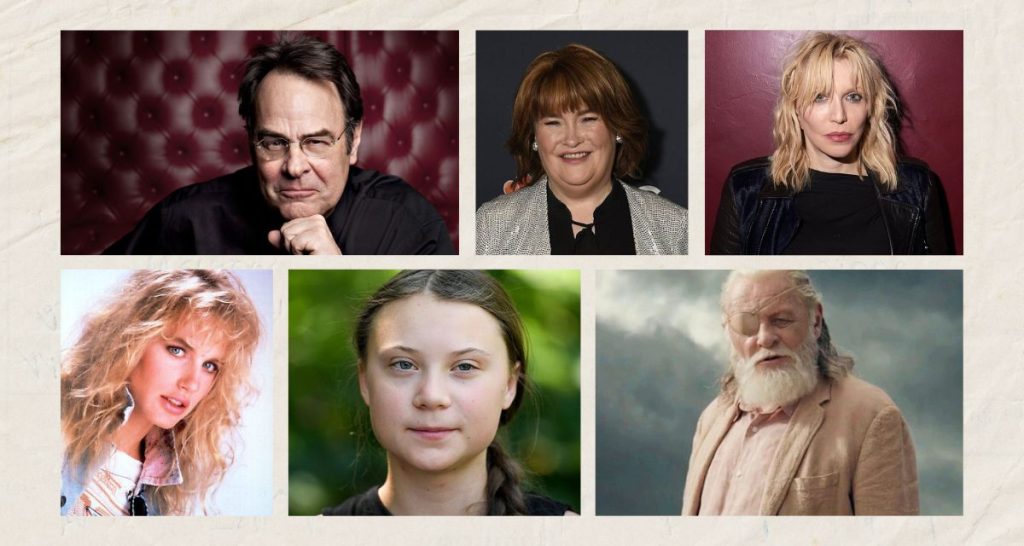
Autism touches lives across every background — including some of the world’s most recognisable names. Instead of hiding behind public expectations, many celebrities have boldly shared their autism diagnoses. They’ve shown that being neurodivergent doesn’t limit success. By speaking openly, they challenge stereotypes, shift perceptions, and inspire others to embrace their differences. 1. Anthony Hopkins In 2014, legendary actor Sir Anthony Hopkins received a diagnosis of Asperger’s Syndrome. He publicly shared this in 2017, saying it helped him better understand himself. His intense focus and deep emotional range on screen may well connect to how his brain processes the world. Hopkins shows that autism doesn’t hinder success — it can deepen a craft. 2. Dan Aykroyd Comedian and actor Dan Aykroyd credits autism for inspiring one of his biggest roles: Ghostbusters. Initially diagnosed with Tourette’s as a child, Aykroyd later learned he had Asperger’s. He openly shares how his deep fascination with ghosts and law enforcement inspired the hit movie — a powerful example of how special interests can drive creativity and lead to success. 3. Greta Thunberg Climate activist Greta Thunberg has become a global voice for environmental change. Diagnosed with autism as a child, her mother first made the diagnosis public in Sweden in 2015. Greta later shared how the diagnosis gave her clarity. “When I felt the most sad, I didn’t know that I had autism,” she told Teen Vogue. “I just thought, I don’t want to be like this.” Today, she calls autism her “superpower.” 4. Susan Boyle The world first met Susan Boyle on Britain’s Got Talent in 2009. Then, years later, she revealed her autism diagnosis and called it a relief. Boyle gained a sense of peace and pride when she understood her autism and how far she’s come 5. Daryl Hannah Actress Daryl Hannah, known for her roles in Splash and Blade Runner, described her childhood as being filled with vivid imagination. In the 1960s, doctors recommended institutionalisation and medication. Thankfully, her mother refused. Hannah has since shared how autism shaped her and how avoiding the spotlight has helped her cope with sensory sensitivities. 6. Daantjie Badenhorst South African quiz master, journalist, and author Daantjie Badenhorst also lives on the spectrum. Known for his sharp intellect and deep general knowledge, he’s carved out a space in the public eye with confidence and authenticity. 7. Ernie Els South African golf legend Ernie Els became a powerful advocate for autism after his son Ben was diagnosed. Through his foundation Els for Autism, he provides access to educational, recreational, and adult services for individuals on the spectrum. His work has impacted thousands of families globally. 8. Nandi Madida Singer, actress, and presenter Nandi Madida spoke about her journey with neurodivergence on Instagram. After her child’s autism diagnosis, she found support and answers through the videos of fellow autism advocate Tara Leniston. “At that time, I didn’t know that I was Neurodivergent myself,” she wrote. She was later diagnosed with ADHD, and now champions awareness and support for neurodivergent families. Whether you’re on the spectrum or supporting someone who is, know this: there’s nothing wrong with thinking, feeling, or moving through the world differently. Reviewed April 2025. Always consult a professional for individual guidance. Inspire Wellbeing Services Mental health service Chelmsford Dr Pieter Badenhorst Physician Nelspruit Michelle Hopkins Industrial Psychologist Vereeniging Dr Greta Brink Psychiatrist Kylemore Karen Hopkins Psychotherapist London
Famous and on the Spectrum Read More »

My Son, the Quiet Hero (A Journey With Autism)

Disclaimer: This story is from our community, edited for clarity and to protect privacy. My son is a quiet force with a passion for Fortnite, soccer and all things tech, especially the intricate world of PCs. He’s a walking paradox – reserved to the point of shyness, yet his dry wit can have us in stitches. One minute he’s explaining, with laser focus, the exact components needed to build a PC from scratch, the next he’s breaking the tension with a knock-knock joke so subtle it takes a moment to register its brilliance. He’s brutally honest (sometimes to a fault!), and social situations can leave him feeling like a lone wolf in a crowded server room. From the start, he defied expectations. Born a roly-poly little dude with a gaze that seemed older than his newborn days, he aced early milestones. Crawling, eating – everything came naturally. But daycare exposed a different side. In a bigger group, the world became too much for him. The buzz, the constant movement, and the expectation to interact with so many kids simultaneously was overwhelming for him. Frustrations, initially perceived as tantrums, turned into meltdowns that left us confused and worried. His teachers noticed constant fidgeting and a hesitancy to join group activities. Thankfully, his occupational therapist, a superhero in her own right, suspected something deeper – anxiety. Her recommendation for an assessment became the turning point in our journey. The diagnosis on the autism spectrum brought a wave of emotions that hit me harder than a Minecraft creeper (can you tell I’m a boy mom?). Relief washed over me – we finally had answers! But fear followed close behind. It felt like diving into the wide-open world of therapies, medications, and a new school. Suddenly, everything we thought we knew about parenting needed a major rewrite. Parenting a child with autism requires flexibility; the old rulebook goes out the window, replaced by a constant process of learning and adapting on the fly. But the stigmas surrounding autism often paints a distorted picture of who our kids are. So many on the spectrum simply crave acceptance and understanding. My son flourishes in his new environment. He does well academically, even though self-doubt sometimes creeps in. He has his quirks, like a fruit phobia so strong he’d rather walk for 5km than be near a banana. Yet, his humour and silliness make him the life of the party at home. He’s a wise soul with a tough exterior that hides a deep well of emotions. Sometimes, those emotions get bottled up, to the point of a meltdown. But together, we’re learning to navigate these moments, one deep breath (and maybe a hug) at a time. He has become my teacher, opening my eyes to a whole new world. He’s shown me the strength within quietness, the beauty of individuality, and the importance of acceptance. He’s my hero, not because of extraordinary achievements, but because of the extraordinary way he sees and experiences the world. And who knows, maybe someday his dream will come true, and we’ll be building his ultimate PC under the wide-open Texas sky. Mental Matters is a resource and information platform. We do not provide medical advice, diagnosis, or treatment. While the information on our website is for general awareness and support, it should not replace professional advice. For any mental health concerns, please consult a qualified healthcare or mental health professional . Soul 2 Soul Counselling and Holistic Therapies Wolverhampton Social Anxiety vs. Being an Introvert Understanding ADHD in Children and Young People World Of Vision Optometrists Centurion Is a Busy Mind Really a Bad Thing?

My Son, the Quiet Hero (A Journey With Autism) Read More »

Scroll to Top