Mental Matters

Stories & Experiences

Reaching for the part of me I left behind

My Relationship Triggered a Childhood Wound

Some wounds don’t shout — they whisper. They slip into the way we hold back our opinions, the way we doubt our instincts, the way we start making ourselves smaller without even noticing. Not to be agreeable — but to stay safe. To avoid tension. To keep the peace, even when it costs us pieces of ourselves. That’s exactly what happened in this relationship. He didn’t come across as controlling in the beginning. He was attentive, thoughtful — even charming. But slowly, it shifted. He started commenting on what I wore, questioning who I spent time with, correcting the way I spoke. At first, I convinced myself he just cared. That he wanted the best for me. But underneath that, I started losing parts of who I was. I stayed quiet. Adjusted. And stopped pushing back. Whenever I tried to express myself, he’d twist it. Suddenly, I was “too sensitive” or “being dramatic.” He made me question my reactions so often, I began to believe him. I stopped trusting what I felt. I gave in — not because I agreed, but because it felt safer than another argument. And eventually, it hit me: I knew this feeling. Not because of him — but because of where I came from. As a child, I learned to survive by staying silent. In my home, speaking up wasn’t brave — it was dangerous. Questioning anything led to consequences, not conversations. So I learned to obey. I swallowed my opinions. I became what people needed me to be. That version of me — the one who shrinks to survive — reappeared in this relationship. He didn’t create that wound. But his control reopened it. I recognised the fear. The walking on eggshells. The pressure to perform “okay-ness” at all times. I wasn’t just trying to make the relationship work — I was trying to stay emotionally safe the only way I knew how: by disappearing. Eventually, I left. Not out of hate. Not even because I stopped loving him.I left because I finally realised I couldn’t keep betraying myself to keep someone else comfortable. I’m still doing the work. But I no longer confuse control for love. I no longer stay quiet just to avoid being misunderstood. Most of all, I no longer abandon myself.
My Relationship Triggered a Childhood Wound Read More »

I’m Not Afraid of Being Alone

I’m Not Afraid of Being Alone — Because I Know Who I Am

There was a time when silence made me uncomfortable. Being alone meant I’d have to sit with myself — with my thoughts, my choices, my mistakes. And honestly, I didn’t want to. It felt easier to stay busy, distracted, surrounded. Now, I’m not afraid of what I’ll find in the quiet. Because I know who I am when no one’s watching. I sleep well at night, not because life is perfect — but because I’m at peace with how I’m living it. I’m not constantly turning things over in my head.I’m not haunted by guilt, shame, or the fear of being “found out.”I’m not playing a character to keep people happy or pretending I’m okay when I’m not. That doesn’t mean I have it all figured out. I absolutely don’t.But I can say this with certainty: I like the person I’m becoming. And when I put something out into the world — my words, my work, my energy — I know it’s honest. It’s real. It’s not perfect, but it’s mine. That’s what makes the alone time peaceful — not lonely. I don’t need constant validation to feel okay.I don’t need chaos or noise to fill a void.I don’t need to chase people or prove my worth to anyone. The people in my life know my heart. The ones who don’t, don’t matter.And that’s a freedom I wish I found sooner. When you know your own intentions, everything gets lighter. There’s nothing eating at me. No unfinished apologies.No games. No masks. Or pretending. Just a quiet kind of confidence that says: “This is who I am. I’m good with it.” Alone doesn’t have to mean lonely. It can mean centered. calm. clear. And when you’re living in a way that aligns with your values — when what you’re putting out matches what you believe in — the quiet becomes a place of strength, not fear. I’m not afraid of being alone. Because I’ve made peace with the one person I always have to live with — myself. Reviewed April 2025. Always consult a professional for individual guidance.

I’m Not Afraid of Being Alone — Because I Know Who I Am Read More »

I Wasn't Raised — I Was Controlled

I Wasn’t Raised — I Was Controlled

They said we were close. But close isn’t the word. It was tight. Suffocating. Like being wrapped in plastic with no air holes. They called it love. But it felt like a list of expectations I never agreed to. You don’t question the rules. Or make your own choices. And you don’t breathe too loudly. Because someone will take it personally. They’d say, “We just want what’s best for you.” But “best” always meant what they wanted. I couldn’t pick a school without drama.A job without commentary.Even the way I dressed was up for discussion.Apparently, everything about me was up for discussion. I remember thinking,This is just how families are.Maybe everyone walks on eggshells.Maybe this is how everyone feels. But then I met people whose familiesdidn’t make them feel small.Who didn’t guilt them for existing.Didn’t demand loyalty like some twisted tax. And I started to realiseI wasn’t just “the difficult one.”I was just… tired. Tired of having to explain myself.Of pretending their behaviour was normal.Tired of being made to feel guiltyfor wanting peace. One day, I asked my therapist,“Have I just become numb?”She didn’t answer right away.Just looked at me with that facethat says: You already know. And I did. It wasn’t love.Not really.It was control.Wrapped in tradition.Laced with guilt.Masked as care. And now, I’m slowly unlearning.Letting myself feel again.Trusting that I’m allowed to existoutside the roles they wrote for me. Reviewed April 2025. Always consult a professional for individual guidance.

I Wasn’t Raised — I Was Controlled Read More »

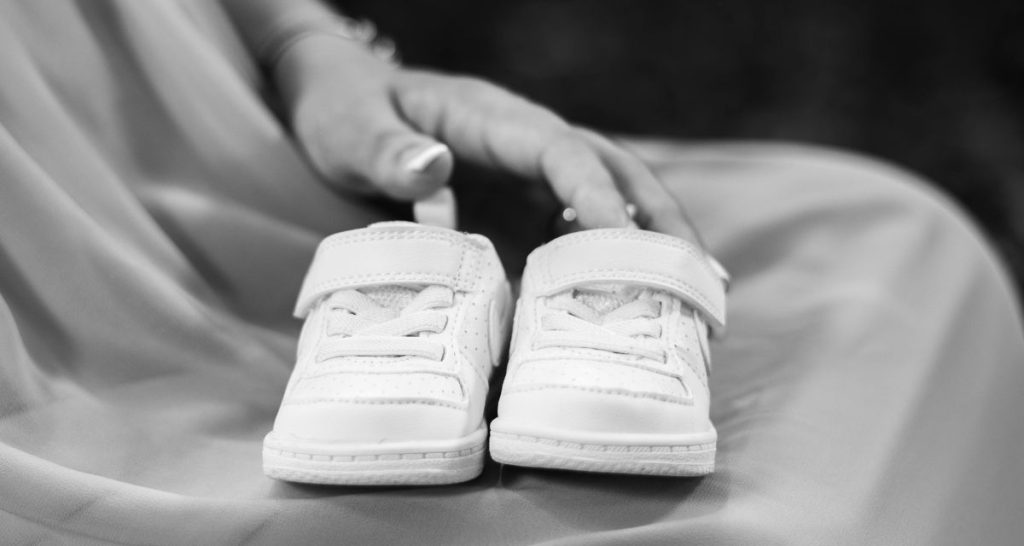
Small white baby shoes on a person's lap

I Lost a Child and They Told Me to Be Grateful

“Loss is part of life.” I have to admit, those words never sat well with me. Not because I don’t believe them—but because they felt like they rushed me through something I wasn’t ready to face. They seemed to suggest that grief has a timetable. That if I just remembered what I still had, I’d be fine. But nothing could have prepared me for the loss of a second child. And the pain that would follow. The shock of expecting twins I was familiar with loss before this. But this felt so different. And I never expected the pregnancy of my second-born to become part of my grief story. At first, it was the shock of falling pregnant again—unexpected, yes, but something I could come to terms with. Then came the next surprise: twins. I had barely wrapped my head around that news when I heard the words no expecting mother ever wants to hear: “It doesn’t look like the one baby will make it.” I went numb. I heard the doctor speaking, but it felt like I was floating outside my body. Half listening. Half in disbelief. So many questions, no real answers What is a hydrops baby?You’re saying he might make it to term… then what?How do I know the other twin will be okay?What does “high risk” in this case actually mean?Will I have to go through another c-section—after the trauma of my last one? I had a hundred questions and no energy to ask any of them. I just listened. Quietly panicked. Here’s what I was told: Each appointment filled me with dread. I’d hold my breath, wondering if today would be the day they told me his heart had stopped. The grief you can’t talk about At 16 weeks, I lost my baby. I felt a strange mix of sadness and relief. Relief that his little body wouldn’t have to fight anymore. But sadness that I never got to meet him. Never got to know who he would be. People tried to comfort me with reminders that I still had one healthy baby growing inside me. That I had a toddler at home who needed me. That I had reasons to stay strong, and to be grateful. They meant well—but those words didn’t help. Because even though I still had children to love, I had lost one. And it felt like there wasn’t room to talk about that grief. Like I wasn’t allowed to mourn in my own way, in my own time. So, I buried it. Tucked it away in the quiet corners of my story. It’s taken time—and courage—to write this down. I used to think that talking about it would make people uncomfortable. That it might sound ungrateful, because I still had a baby to hold. But now I know this: I lost my baby at 16 weeks. And that loss matters—even if I never got to bring him home. To anyone who has experienced pregnancy loss, or the complicated emotions of a high-risk pregnancy: you are allowed to grieve. You are allowed to feel everything, even if others don’t fully understand. Reviewed April 2025. Always consult a professional for individual guidance.

I Lost a Child and They Told Me to Be Grateful Read More »

famous and on the spectrum

Famous and on the Spectrum

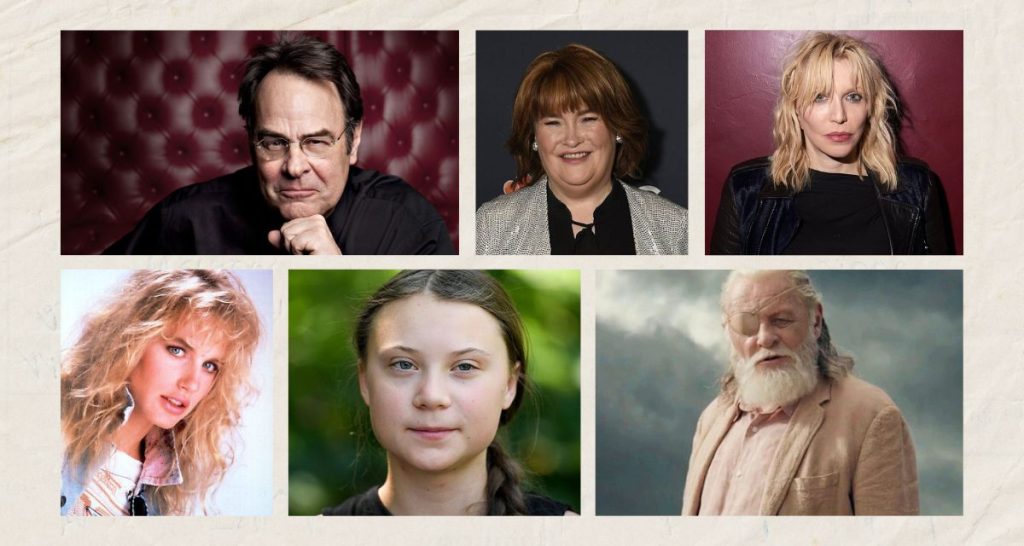
Autism touches lives across every background — including some of the world’s most recognisable names. Instead of hiding behind public expectations, many celebrities have boldly shared their autism diagnoses. They’ve shown that being neurodivergent doesn’t limit success. By speaking openly, they challenge stereotypes, shift perceptions, and inspire others to embrace their differences. 1. Anthony Hopkins In 2014, legendary actor Sir Anthony Hopkins received a diagnosis of Asperger’s Syndrome. He publicly shared this in 2017, saying it helped him better understand himself. His intense focus and deep emotional range on screen may well connect to how his brain processes the world. Hopkins shows that autism doesn’t hinder success — it can deepen a craft. 2. Dan Aykroyd Comedian and actor Dan Aykroyd credits autism for inspiring one of his biggest roles: Ghostbusters. Initially diagnosed with Tourette’s as a child, Aykroyd later learned he had Asperger’s. He openly shares how his deep fascination with ghosts and law enforcement inspired the hit movie — a powerful example of how special interests can drive creativity and lead to success. 3. Greta Thunberg Climate activist Greta Thunberg has become a global voice for environmental change. Diagnosed with autism as a child, her mother first made the diagnosis public in Sweden in 2015. Greta later shared how the diagnosis gave her clarity. “When I felt the most sad, I didn’t know that I had autism,” she told Teen Vogue. “I just thought, I don’t want to be like this.” Today, she calls autism her “superpower.” 4. Susan Boyle The world first met Susan Boyle on Britain’s Got Talent in 2009. Then, years later, she revealed her autism diagnosis and called it a relief. Boyle gained a sense of peace and pride when she understood her autism and how far she’s come 5. Daryl Hannah Actress Daryl Hannah, known for her roles in Splash and Blade Runner, described her childhood as being filled with vivid imagination. In the 1960s, doctors recommended institutionalisation and medication. Thankfully, her mother refused. Hannah has since shared how autism shaped her and how avoiding the spotlight has helped her cope with sensory sensitivities. 6. Daantjie Badenhorst South African quiz master, journalist, and author Daantjie Badenhorst also lives on the spectrum. Known for his sharp intellect and deep general knowledge, he’s carved out a space in the public eye with confidence and authenticity. 7. Ernie Els South African golf legend Ernie Els became a powerful advocate for autism after his son Ben was diagnosed. Through his foundation Els for Autism, he provides access to educational, recreational, and adult services for individuals on the spectrum. His work has impacted thousands of families globally. 8. Nandi Madida Singer, actress, and presenter Nandi Madida spoke about her journey with neurodivergence on Instagram. After her child’s autism diagnosis, she found support and answers through the videos of fellow autism advocate Tara Leniston. “At that time, I didn’t know that I was Neurodivergent myself,” she wrote. She was later diagnosed with ADHD, and now champions awareness and support for neurodivergent families. Whether you’re on the spectrum or supporting someone who is, know this: there’s nothing wrong with thinking, feeling, or moving through the world differently. Reviewed April 2025. Always consult a professional for individual guidance. Inspire Wellbeing Services Mental health service Chelmsford Dr Pieter Badenhorst Physician Nelspruit Michelle Hopkins Industrial Psychologist Vereeniging Dr Greta Brink Psychiatrist Kylemore Karen Hopkins Psychotherapist London

Famous and on the Spectrum Read More »

Scroll to Top