Mental Matters

Mental Health

Simple Habits to Help You Live Better

Simple Habits to Help You Live Better

Everyday wellness for mind and body. Wellness doesn’t have to mean green juices and gym memberships. Often, it starts with the smallest shifts—done consistently, and with intention. If you’re someone who wants to live better—to feel more energised, mentally clear, emotionally grounded, and physically well—you’re not alone. In today’s fast-moving world, taking care of both mind and body has never been more important… or more accessible. This article explores practical, science-backed ways to support everyday wellness—no matter your age, background, or schedule. Why mind–body wellness matters Your body and mind are not separate systems.When you don’t sleep well, your mood suffers. If you feel stressed, your digestion slows. When you’re mentally foggy, your body feels heavier. Everyday wellness means looking at your health as a whole—mental, physical, emotional, and environmental. And while self-care can feel like a luxury, the basics of wellness are often free, simple, and deeply impactful. 1. Eat to fuel, not just to fill 🌿 The food you eat directly affects your brain function, energy levels, and immune system. You’re not just feeding your body. You’re fuelling your mood and mental clarity too. 2. Protect your sleep like it’s sacred 😴 Quality sleep is the foundation of mental and physical wellness. Poor sleep has been linked to anxiety, depression, weight gain, and low immunity. Prioritising rest is not lazy—it’s smart self-care. 3. Move daily 🧘 Movement supports everything from brain chemistry to emotional resilience. Moving your body helps clear your mind. 4. Hydration and supplements matter 💧 Water supports nearly every system in your body—yet many of us aren’t drinking enough. 5. Train your mind like a muscle 🧠 Mental health is just as important as physical health—and it needs regular attention. Mental hygiene is daily work—just like brushing your teeth. 6. Connect, laugh, and be human ❤️ Social connection has been proven to extend lifespan and improve emotional wellbeing. You don’t need a huge network. Just one meaningful connection can shift your day. 7. Pay attention to what you consume (beyond food) 🌞 Your inputs shape your outlook. Everything you consume—visually, emotionally, mentally—affects how you feel. Start where you are You don’t need a total lifestyle overhaul to improve your wellness.You just need a starting point. Pick one small thing you can do today—drink more water, stretch for five minutes, take three deep breaths before checking your phone—and build from there. Because everyday wellness isn’t about being perfect.It’s about being present.And making small, conscious choices that help you live better—one day at a time.
Simple Habits to Help You Live Better Read More »

Healing Childhood Trauma

Healing Childhood Trauma

What you can do as an adult. You didn’t choose what happened to you—but you can choose how you care for yourself now. Trauma doesn’t just disappear with age. But healing does become possible once you begin to notice the patterns—and respond to yourself with more care than criticism. You don’t need to have had a “traumatic” childhood in the traditional sense to be affected. Subtle emotional wounds, inconsistency, or lack of validation can all shape how you relate to others, handle stress, and experience self-worth. So where do you start? Here are some gentle, powerful ways to begin reclaiming your emotional wellbeing: 1. Learn Your Triggers What situations make you feel overwhelmed, shut down, or defensive? Triggers are not signs of weakness—they’re clues to where healing is needed. 2. Reconnect with Your Body Trauma lives in the nervous system. Tools like breathwork, yoga, gentle movement, and somatic therapy help you get out of survival mode and into a state of safety. 3. Get Curious About Your Patterns Notice the behaviours that helped you cope—but may now be holding you back. People-pleasing, emotional withdrawal, or overworking all have roots worth exploring. They made sense back then—but you get to outgrow them now. 4. Seek Safe Spaces Supportive friendships, group therapy, or professional help can break cycles of silence and isolation. Healing isn’t meant to happen alone. 5. Practise Self-Compassion You’re not broken—you’re healing. And healing doesn’t come from blaming yourself. It comes from patience, kindness, and gentle daily shifts. You are not your past Healing childhood trauma is a layered, evolving journey. Some days you’ll feel strong. Other days, old wounds may resurface. That’s okay. The goal isn’t perfection. It’s peace. You may always carry the story—but how you tell it, live with it, and grow from it… that’s yours to change. You’re not your past. You are who you are becoming.

Healing Childhood Trauma Read More »

Childhood Trauma in Adulthood

How the past shapes the present. You may have left the past behind—but your body and mind haven’t always caught up. Many adults carry invisible wounds from childhood—some obvious, others buried under busy lives, achievements, or even humour. What happened then can quietly echo through relationships, stress responses, self-worth, and physical health now. Whether it was neglect, emotional abuse, instability, or a loss that never fully healed, childhood trauma has a way of showing up long after the actual events are over. Understanding this isn’t about blame—it’s about awareness, growth, and reclaiming your peace. Trauma doesn’t stay in childhood Trauma isn’t just a memory—it’s a pattern your brain and body learn to survive. In childhood, the brain is still developing. When a child experiences ongoing stress, fear, or emotional inconsistency, it disrupts the nervous system and teaches the brain to stay in protection mode. As adults, this can show up as: This doesn’t mean you’re broken. It means you adapted—and now, as an adult, you can unlearn what no longer serves you. How childhood trauma can show up in adulthood 1. Relationship Struggles You might crave connection but push people away. Or you may stay in unhealthy dynamics because chaos feels familiar. Trust, boundaries, and emotional intimacy can be hard to navigate when your early relationships weren’t safe. 2. Emotional Reactivity or Numbness Trauma can leave you emotionally raw—or shut down. Both are valid survival responses. You may overreact to small stressors or feel like you’re “flatlining” emotionally. 3. Self-Criticism and Shame Many trauma survivors struggle with inner voices that echo past hurt: “You’re too much.” “You’re not good enough.” This self-talk often began as a way to make sense of what was happening—but it can become a lifelong battle. 4. Physical Health Issues The mind-body connection is powerful. Trauma is linked to chronic illnesses, digestive issues, fatigue, autoimmune conditions, and more. Your body remembers—even if your mind doesn’t. 5. People-Pleasing and Perfectionism Were you the “good kid” growing up, trying to keep the peace? That coping mechanism often morphs into adult perfectionism, people-pleasing, and burnout. If any of this feels familiar, here are some practical ways to begin healing—because awareness is only the beginning.

Childhood Trauma in Adulthood Read More »

“When You’re Ready, This Will Make Sense”

“When You’re Ready, This Will Make Sense”

A story about friendship, timing, and finding your way back to yourself. I’ve had this book for almost seven years — Out of Darkness by Stormie Omartian. It’s followed me through moves, messes, breakdowns, and fresh starts. I’d spot it now and then, shoved behind other books or forgotten in a box. I’d open it, read a few pages, and put it back. Not because it didn’t speak to me — it did. But I couldn’t face it. I wasn’t ready. What makes this book mean even more is who gave it to me. Joel and I go way back — high school days. We always had a bit of a connection, something quietly unspoken. We lost touch for a few years, like people do. But when we reconnected, it felt like there was a conversation between us that had never really ended. Just paused. Only, by the time we found each other again, I wasn’t in a good place. I was surviving, barely. Raising two kids alone. Tired in every possible way. And smiling through it, like I always did. I had grown so used to pretending I was fine that I didn’t know how to be anything else. Joel saw through that. He didn’t try to fix me or fill the silence with advice. He was just… present. Respectful. Supportive in a way that didn’t need loud declarations. And one day, without explanation, he gave me this book. A thoughtful and quiet gesture — almost like he was saying, When you’re ready, this will make sense. But I wasn’t ready then. I didn’t want healing — I wanted saving. I wanted someone to come and take the pain away, to make everything feel normal again. And, I had to realise that’s not how healing works. It doesn’t arrive when we demand it. It waits for us to surrender. Now, years later, I picked up the book again. And this time… I felt it. I saw myself in the words. In the darkness, the grief, the shame, the pretending. Stormie wrote what I had never said out loud — things I had buried so deep, I didn’t even realise they were still hurting me. And through it all, I kept thinking about Joel. About how he showed up without asking for anything. How he gave me space when I didn’t even know I needed it. How he reminded me — gently, without needing to say it out loud — that I was still in there somewhere. The real me. The lighter, freer, happier version. The book didn’t heal me. But it cracked something open. It gave me words for things I’d kept hidden. And coming from him — someone who knew me before all the chaos, someone who cared enough to see through the chaos — it meant even more. To Joel, thank you. For seeing me. For handing me something I didn’t know I needed. And for reminding me, without ever saying it directly, that I didn’t have to stay stuck in the dark. I’m still learning. Still softening. Still letting go of the idea that I have to be strong all the time. But I’m not afraid of the dark anymore. I’ve learned that the light doesn’t always come in one big breakthrough — sometimes, it arrives in the quietest ways. A sentence. A moment. A book. A friend. If you’re reading this and feel like you’ve lost your spark… I just want you to know: The light will find you. And maybe, just maybe, someone’s already placed something in your hands — a book, a message, a memory — and it’s just waiting for you to open it when you’re ready. Reviewed April 2025. Always consult a professional for individual guidance.

“When You’re Ready, This Will Make Sense” Read More »

Reaching for the part of me I left behind

My Relationship Triggered a Childhood Wound

Some wounds don’t shout — they whisper. They slip into the way we hold back our opinions, the way we doubt our instincts, the way we start making ourselves smaller without even noticing. Not to be agreeable — but to stay safe. To avoid tension. To keep the peace, even when it costs us pieces of ourselves. That’s exactly what happened in this relationship. He didn’t come across as controlling in the beginning. He was attentive, thoughtful — even charming. But slowly, it shifted. He started commenting on what I wore, questioning who I spent time with, correcting the way I spoke. At first, I convinced myself he just cared. That he wanted the best for me. But underneath that, I started losing parts of who I was. I stayed quiet. Adjusted. And stopped pushing back. Whenever I tried to express myself, he’d twist it. Suddenly, I was “too sensitive” or “being dramatic.” He made me question my reactions so often, I began to believe him. I stopped trusting what I felt. I gave in — not because I agreed, but because it felt safer than another argument. And eventually, it hit me: I knew this feeling. Not because of him — but because of where I came from. As a child, I learned to survive by staying silent. In my home, speaking up wasn’t brave — it was dangerous. Questioning anything led to consequences, not conversations. So I learned to obey. I swallowed my opinions. I became what people needed me to be. That version of me — the one who shrinks to survive — reappeared in this relationship. He didn’t create that wound. But his control reopened it. I recognised the fear. The walking on eggshells. The pressure to perform “okay-ness” at all times. I wasn’t just trying to make the relationship work — I was trying to stay emotionally safe the only way I knew how: by disappearing. Eventually, I left. Not out of hate. Not even because I stopped loving him.I left because I finally realised I couldn’t keep betraying myself to keep someone else comfortable. I’m still doing the work. But I no longer confuse control for love. I no longer stay quiet just to avoid being misunderstood. Most of all, I no longer abandon myself.

My Relationship Triggered a Childhood Wound Read More »

I’m Not Afraid of Being Alone

I’m Not Afraid of Being Alone — Because I Know Who I Am

There was a time when silence made me uncomfortable. Being alone meant I’d have to sit with myself — with my thoughts, my choices, my mistakes. And honestly, I didn’t want to. It felt easier to stay busy, distracted, surrounded. Now, I’m not afraid of what I’ll find in the quiet. Because I know who I am when no one’s watching. I sleep well at night, not because life is perfect — but because I’m at peace with how I’m living it. I’m not constantly turning things over in my head.I’m not haunted by guilt, shame, or the fear of being “found out.”I’m not playing a character to keep people happy or pretending I’m okay when I’m not. That doesn’t mean I have it all figured out. I absolutely don’t.But I can say this with certainty: I like the person I’m becoming. And when I put something out into the world — my words, my work, my energy — I know it’s honest. It’s real. It’s not perfect, but it’s mine. That’s what makes the alone time peaceful — not lonely. I don’t need constant validation to feel okay.I don’t need chaos or noise to fill a void.I don’t need to chase people or prove my worth to anyone. The people in my life know my heart. The ones who don’t, don’t matter.And that’s a freedom I wish I found sooner. When you know your own intentions, everything gets lighter. There’s nothing eating at me. No unfinished apologies.No games. No masks. Or pretending. Just a quiet kind of confidence that says: “This is who I am. I’m good with it.” Alone doesn’t have to mean lonely. It can mean centered. calm. clear. And when you’re living in a way that aligns with your values — when what you’re putting out matches what you believe in — the quiet becomes a place of strength, not fear. I’m not afraid of being alone. Because I’ve made peace with the one person I always have to live with — myself. Reviewed April 2025. Always consult a professional for individual guidance.

I’m Not Afraid of Being Alone — Because I Know Who I Am Read More »

I Wasn't Raised — I Was Controlled

I Wasn’t Raised — I Was Controlled

They said we were close. But close isn’t the word. It was tight. Suffocating. Like being wrapped in plastic with no air holes. They called it love. But it felt like a list of expectations I never agreed to. You don’t question the rules. Or make your own choices. And you don’t breathe too loudly. Because someone will take it personally. They’d say, “We just want what’s best for you.” But “best” always meant what they wanted. I couldn’t pick a school without drama.A job without commentary.Even the way I dressed was up for discussion.Apparently, everything about me was up for discussion. I remember thinking,This is just how families are.Maybe everyone walks on eggshells.Maybe this is how everyone feels. But then I met people whose familiesdidn’t make them feel small.Who didn’t guilt them for existing.Didn’t demand loyalty like some twisted tax. And I started to realiseI wasn’t just “the difficult one.”I was just… tired. Tired of having to explain myself.Of pretending their behaviour was normal.Tired of being made to feel guiltyfor wanting peace. One day, I asked my therapist,“Have I just become numb?”She didn’t answer right away.Just looked at me with that facethat says: You already know. And I did. It wasn’t love.Not really.It was control.Wrapped in tradition.Laced with guilt.Masked as care. And now, I’m slowly unlearning.Letting myself feel again.Trusting that I’m allowed to existoutside the roles they wrote for me. Reviewed April 2025. Always consult a professional for individual guidance.

I Wasn’t Raised — I Was Controlled Read More »

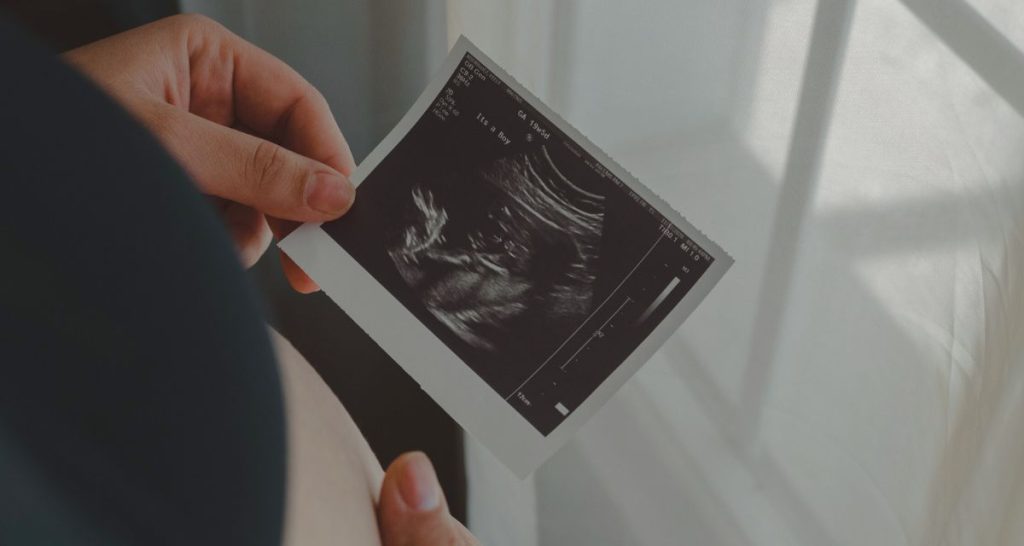
Hand holding an ultrasound image of a foetus

What is Hydrops Fetalis?

When you’re handed the word “hydrops,” it doesn’t come with a handbook. Most people have never even heard of it. Even fewer know what it means. I hadn’t. Not until one of my babies was diagnosed with it. And even then, I had to piece the information together between scans, quiet nods from doctors, and Google searches at 2 a.m. This is the article I wish someone had handed me. So, what is hydrops fetalis? Hydrops fetalis (or simply “hydrops”) is a rare and serious condition that occurs when an abnormal amount of fluid builds up in at least two areas of a baby’s body. These areas may include the skin, lungs, abdomen, or around the heart. The fluid buildup can put pressure on the baby’s organs, making it hard for them to work properly. There are two types of hydrops fetalis: In my case, they couldn’t say what caused it. One twin was growing normally. The other had fluid surrounding his organs. They used terms like high risk, no survival rate, and nature will take its course. 👉 I Lost a Child and They Told Me to Be Grateful Hydrops fetalis is usually diagnosed through an ultrasound, where fluid pockets are detected in the baby’s body. Depending on the cause, it can be life-threatening, and in many cases, the prognosis is poor. Early diagnosis and management depend heavily on the underlying cause. Treatment options may include interventions during pregnancy or preparations for intensive care after birth, but often, especially in severe cases, there’s very little that can be done. What they don’t always tell you Doctors try to be kind and factual, but there’s so much you might not hear in consultations. Things like: The uncertainty can be agonising. You’re forced to live week to week—sometimes day to day—waiting, hoping, fearing. You’ll likely hear the medical facts, but the emotional toll and all the grey areas in between are harder to speak about. Having someone explain those gaps, or even acknowledge them, can make you feel a little more human in a deeply clinical process. Why we should be talking about it Hydrops fetalis is rare, but silence makes it feel even rarer. Many people never speak about it. There’s often loss involved, or complicated pregnancies. There’s fear, grief, confusion—and sometimes shame. But by talking about it, we make space for others to find understanding, connection, and support. Parents deserve to know they’re not alone. Even in the hardest, most uncertain pregnancies. Sharing stories and facts won’t take away the pain, but it might offer comfort. Reviewed April 2025. Always consult a professional for individual guidance.

What is Hydrops Fetalis? Read More »

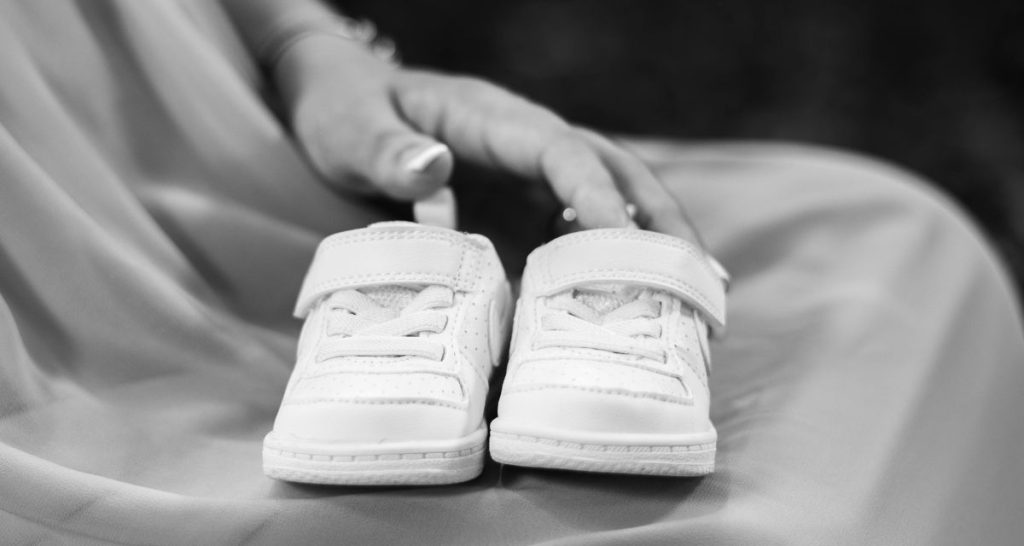
Small white baby shoes on a person's lap

I Lost a Child and They Told Me to Be Grateful

“Loss is part of life.” I have to admit, those words never sat well with me. Not because I don’t believe them—but because they felt like they rushed me through something I wasn’t ready to face. They seemed to suggest that grief has a timetable. That if I just remembered what I still had, I’d be fine. But nothing could have prepared me for the loss of a second child. And the pain that would follow. The shock of expecting twins I was familiar with loss before this. But this felt so different. And I never expected the pregnancy of my second-born to become part of my grief story. At first, it was the shock of falling pregnant again—unexpected, yes, but something I could come to terms with. Then came the next surprise: twins. I had barely wrapped my head around that news when I heard the words no expecting mother ever wants to hear: “It doesn’t look like the one baby will make it.” I went numb. I heard the doctor speaking, but it felt like I was floating outside my body. Half listening. Half in disbelief. So many questions, no real answers What is a hydrops baby?You’re saying he might make it to term… then what?How do I know the other twin will be okay?What does “high risk” in this case actually mean?Will I have to go through another c-section—after the trauma of my last one? I had a hundred questions and no energy to ask any of them. I just listened. Quietly panicked. Here’s what I was told: Each appointment filled me with dread. I’d hold my breath, wondering if today would be the day they told me his heart had stopped. The grief you can’t talk about At 16 weeks, I lost my baby. I felt a strange mix of sadness and relief. Relief that his little body wouldn’t have to fight anymore. But sadness that I never got to meet him. Never got to know who he would be. People tried to comfort me with reminders that I still had one healthy baby growing inside me. That I had a toddler at home who needed me. That I had reasons to stay strong, and to be grateful. They meant well—but those words didn’t help. Because even though I still had children to love, I had lost one. And it felt like there wasn’t room to talk about that grief. Like I wasn’t allowed to mourn in my own way, in my own time. So, I buried it. Tucked it away in the quiet corners of my story. It’s taken time—and courage—to write this down. I used to think that talking about it would make people uncomfortable. That it might sound ungrateful, because I still had a baby to hold. But now I know this: I lost my baby at 16 weeks. And that loss matters—even if I never got to bring him home. To anyone who has experienced pregnancy loss, or the complicated emotions of a high-risk pregnancy: you are allowed to grieve. You are allowed to feel everything, even if others don’t fully understand. Reviewed April 2025. Always consult a professional for individual guidance.

I Lost a Child and They Told Me to Be Grateful Read More »

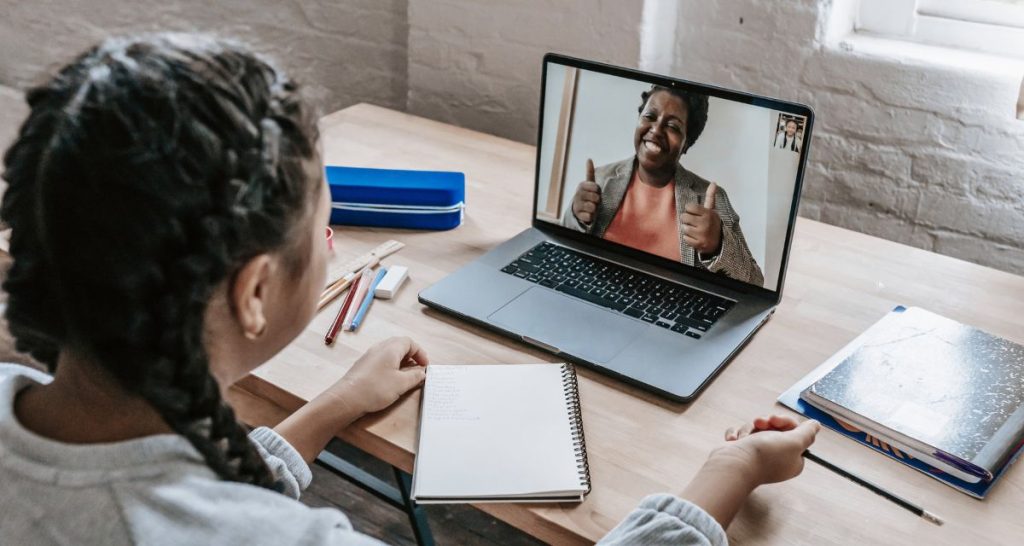
Virtual support session for neurodivergent individual

Online Support for Neurodivergent Individuals

Accessing support as a neurodivergent individual—or as a parent or caregiver—shouldn’t be limited by location. Thankfully, a growing number of organisations offer online support for neurodivergent individuals through programmes and virtual communities built around acceptance, understanding, and meaningful connection. Whether you’re looking for peer support, parenting guidance, or employment pathways, these online platforms make it easier to find your tribe and get the help you need—wherever you are. The Neurodiversity Centre Designed with inclusivity at its core, The Neurodiversity Centre offers online, goal-directed support groups for a range of neurodivergent people. These include virtual spaces for autistic women and men, teenagers, and adults navigating Pathological Demand Avoidance (PDA). Parents of children with PDA also have a safe and supportive space to share experiences and strategies. These sessions encourage belonging, understanding, and personalised growth—without ever having to leave your home. The Neurodiversity Hub (Australia) More than just a website, The Neurodiversity Hub is a global community of practice developed by Untapped Talent. Built from the contributions of academics, professionals, and advocates, it champions inclusive employment for neurodivergent individuals—especially young adults. Their platform connects users to resources, training, mentorship, and tailored programs that unlock hidden talent, while also supporting veterans, elite athletes, and First Nations individuals. The Hub is a home for those who want to thrive in the workplace—and beyond. ADDA (Attention Deficit Disorder Association) ADDA offers dynamic, virtual peer groups and online support programs for adults with ADHD. Their sessions cover a wide range of needs, from ADHD beginners to women over 50, young adults, men with ADHD, and even those looking to build healthy daily habits. Groups meet bi-weekly, offering consistency and real connection. Whether you’re seeking advice, friendship, or structure, ADDA’s online space helps ADHDers feel seen and supported. National Autistic Society (UK) While based in the UK, the National Autistic Society provides online access to various support services including outreach, family guidance, and online social groups. Their virtual offerings are rooted in decades of advocacy and experience, ensuring that autistic individuals and families receive trustworthy, affirming help—even from afar. Whether you’re looking for information, interaction, or a sense of community, they offer a reliable digital lifeline. Reviewed April 2025. Always consult a professional for individual guidance.

Online Support for Neurodivergent Individuals Read More »

Scroll to Top