Mental Matters

Real Talk

Diagnosis of Mastoiditis

Diagnosis of Mastoiditis

Diagnosis of Mastoiditis Diagnosis of Mastoiditis begins with a detailed clinical assessment and a careful review of the patient’s symptoms and medical history. Mastoiditis often occurs after a severe or unresolved middle ear infection. Doctors start with a thorough ear examination. Accurate diagnosis is key to determine how serious the infection is, detect complications, and plan the best treatment. Because mastoiditis can look like other ear or head infections, quick and correct diagnosis prevents delays and serious problems. Clinical Evaluation The first step in diagnosing mastoiditis is a complete history and physical exam. Doctors ask about recent or repeated ear infections, discharge, fever, or pain behind the ear. They also check for hearing loss, balance problems, fatigue, or feeling unwell. During the exam, the doctor uses an otoscope to inspect the ear canal and eardrum. Swelling, redness, bulging eardrum, or discharge may be visible. They check behind the ear for tenderness, warmth, or swelling. If the ear sticks out, it may suggest mastoid bone swelling. For children, signs like irritability, poor feeding, or restlessness can help doctors notice the problem. These early clues often lead to more tests. Otoscopic Examination Otoscopic exams are important because mastoiditis often follows or occurs with middle ear infections. Using an otoscope, doctors look for a red, bulging, or perforated eardrum. Pus leaking from the eardrum may show the infection has spread beyond the middle ear. Doctors may see fluid behind the eardrum or limited eardrum movement. These signs suggest a complicated ear infection. In advanced cases, swelling may make the canal hard to see. This calls for imaging tests. Imaging Studies If physical exams and symptoms suggest mastoiditis, imaging helps confirm the diagnosis and shows how far the infection has spread. Common imaging includes: 1. Computed Tomography (CT) Scan of the Temporal BoneCT scans give clear images of mastoid air cells and middle ear structures. They detect fluid, swelling, bone damage, or abscesses. CT is especially helpful to find early complications, such as infection spreading to nearby tissues or skull base. Bone damage seen on CT strongly suggests mastoiditis. CT scans are often done for patients who do not improve with antibiotics, have systemic symptoms, or show signs of brain complications. 2. Magnetic Resonance Imaging (MRI)MRI is useful in complex or chronic cases. It helps when doctors suspect brain abscess, sinus thrombosis, or meningitis. MRI shows soft tissues and nearby nerves clearly. It is used when neurological symptoms appear, like confusion, seizures, or severe headaches. MRI can also rule out other deep infections or tumors. Laboratory Tests Blood and fluid tests support the diagnosis and check the body’s response. Common tests include: Finding the bacteria early allows doctors to give targeted antibiotics, reducing resistance and improving outcomes. Differential Diagnosis Doctors must distinguish mastoiditis from other ear or skull conditions: Accurate diagnosis requires combining symptoms, exams, imaging, and lab results. Mistakes may delay treatment and allow serious complications. Specialist Referral Patients suspected of mastoiditis, especially with complications, should see an ENT specialist promptly. ENT teams may do further exams like nasopharyngoscopy or hearing tests and decide if surgery is needed. In hospitals with ENT services, referrals are urgent for children, immunocompromised patients, or those not improving after 48–72 hours of medical care. [Next: Treatment of Mastoiditis →]

Diagnosis of Mastoiditis Read More »

Causes of Knock Knees

Causes of Knock Knees

Knock knees can develop for a variety of reasons, ranging from normal childhood growth patterns to underlying medical conditions. While mild cases of knock knees in young children are usually part of typical bone growth, more serious cases may happen because of bone, diet, or health problems. Knowing the different causes of knock knees helps doctors choose the best treatment and avoid long-term problems linked to joint misalignment. Normal Growth and Early Development In many children, knock knees are part of normal growth. This is called a physiological condition. Children between two and five often show signs of genu valgum (the medical name for knock knees) while growing. During this stage, their legs shift from the bow-legged shape seen in babies to a straighter form. As they grow older, the bones line up better. In most cases, the knees straighten by age seven or eight. These types of knock knees usually do not hurt or stop children from moving. Structural and Health-Related Causes of Knock Knees However, if knock knees stay beyond early childhood or appear later in life, they are usually not part of normal growth. In these cases, the condition is known as pathological. This can happen because of gene problems, body chemistry issues, infections, or injuries that affect how bones grow. These causes often change the bone’s shape, leading to clear and more serious knock knees. One of the more common causes of knock knees in children is rickets. This condition happens when the body lacks vitamin D, calcium, or phosphate. Rickets weakens the bones, making them too soft to stay in line. The leg bones struggle to support the body’s weight, and this can lead to or worsen knock knees. Even though rickets is rare in wealthy countries, it still affects many children in places with poor diets or limited sunlight. Genetic Conditions and Injuries Some inherited disorders also lead to knock knees. Problems like skeletal dysplasia, brittle bone disease (osteogenesis imperfecta), or multiple epiphyseal dysplasia affect bone growth. These often show up in childhood and may come with other body changes or slower growth. In these situations, knock knees may be just one of several joint issues needing long-term care. Injuries to the growing ends of bones—especially in the thigh (femur) or shin (tibia)—can also cause knock knees. This happens more in children and teens, whose bones are still growing. If one side of the bone grows faster due to an injury or swelling, it may cause the leg to bend inward. After such injuries, it’s important to watch healing closely to avoid long-term joint problems. Extra Weight and Inflammation as Causes of Knock Knees Carrying extra weight also adds stress to the knees. This is especially true for growing children. The extra pressure can make existing knock knees worse or slow down the normal straightening process. Overweight kids may also move less and have weaker muscles, both of which can make alignment problems harder to fix. Arthritis, especially rheumatoid arthritis, can damage the knees and lead to knock knees. This condition causes swelling in the joints and breaks down cartilage and bone. When this happens in the knees, it can shift the joint inward. Although osteoarthritis more often leads to bow legs, it can still cause knock knees when the outer part of the knee is more affected. Less Common but Possible Triggers In rare situations, infections like bone infection (osteomyelitis) or joint infection (septic arthritis) can damage bone ends or joint surfaces. These infections may lead to swelling and lasting changes in bone shape. Fast treatment is needed to reduce the risk of long-term leg misalignment. Surgeries on the legs can also affect alignment. For example, removing a tumour or correcting a different joint problem might change the way bones grow. In some cases, this can result in knock knees that require more medical attention or even another surgery. Bad posture, weak muscles, or poor movement habits can also play a role. Repeated stress from sports or dancing—especially with poor form—can slowly shift the knees inward. Over time, these physical strains may cause knock knees even if there was no problem before. Understanding the Causes of Knock Knees for Proper Treatment The causes of knock knees guide the choice of treatment. When the issue is part of normal growth, no treatment is usually needed. But if the cause is due to health issues, injury, or other medical problems, then care such as bracing, therapy, or surgery might be needed. It’s very helpful to find the real cause. That way, the person avoids treatments they don’t need and gets the right help instead. Final Thoughts on Causes of Knock Knees In short, knock knees can happen for many reasons—from normal growth to serious health conditions. Knowing whether the genu valgum is part of natural growth or not helps decide what to do next. Some causes are harmless and go away on their own. Others may point to deeper problems like vitamin shortages, inherited bone issues, injury, or long-term illness. Finding the cause early and treating it the right way can stop problems and support healthy bones for life. [Next: Symptoms of Knock Knees →]

Causes of Knock Knees Read More »

Crying infant showing symptoms of Isovaleric Acidaemia in early infancy

Symptoms of Isovaleric Acidaemia

The symptoms of isovaleric acidaemia vary widely depending on the form and severity. Some people show life-threatening signs within days of birth, while others stay symptom-free for months or years. Stress, illness, or diet may trigger a metabolic crisis. Early recognition of symptoms is crucial to avoid serious brain damage, coma, or death. This section covers the full range of symptoms—from subtle signs to severe acute episodes. Isovaleric acidaemia presents mainly in two forms: the acute neonatal type and the chronic intermittent type. Each form has distinct symptoms, but some signs overlap. 1. Symptoms in the Acute Neonatal Form The acute neonatal form usually appears between 3 and 14 days after birth. Babies often seem healthy at first but worsen quickly when they start feeding and processing protein. Without fast treatment, they risk coma and death. Common signs include: If untreated, this form can be fatal. Survivors may face intellectual or developmental delays depending on how long and severe the crisis was. 2. Symptoms in the Chronic Intermittent Form This form appears later, often in infancy or childhood. Individuals may seem healthy between episodes but fall ill when stressed by infection, fasting, or high protein intake. Common symptoms include: This form is often mistaken for gastrointestinal illness or behavioural problems until proper testing is done. 3. Subtle and Non-Specific Symptoms Milder cases, especially those diagnosed early through screening and on treatment, may have subtle symptoms: These signs may not cause immediate alarm but show underlying metabolic imbalance. Regular follow-up and blood tests remain important. 4. Symptoms During Metabolic Crises A metabolic crisis is life-threatening and requires urgent hospital care. Symptoms develop quickly and include: Emergency treatment with glucose, fluids, acidosis correction, and metabolite reduction is critical. Families learn to spot early warning signs and seek immediate care. 5. Differences in Presentation Between Age Groups Newborns face the highest risk due to immature metabolism and immunity. Older children usually have episodic symptoms, which can be confused with common illnesses. Adults with late diagnosis may experience chronic fatigue, brain fog, or protein intolerance. Conclusion Symptoms of isovaleric acidaemia range from severe neonatal crises to mild, chronic issues in older individuals. Early signs like vomiting, lethargy, seizures, and poor feeding need urgent attention in newborns. In children, failure to thrive and behavioural changes may signal chronic intermittent disease. Awareness of these symptoms helps ensure prompt diagnosis and treatment. Newborn screening and clinical vigilance save lives and improve long-term outcomes. [Next: Diagnosis of Isovaleric Acidaemia →]

Symptoms of Isovaleric Acidaemia Read More »

A woman interacting emotionally with a humanoid AI robot, representing AI companions and loneliness.

AI Companions and Loneliness

AI Companions and Loneliness: Are We Replacing Connection with Code? In today’s hyper-connected world, where messages are instant and information is endless, something surprising has taken root—loneliness. And not just the occasional quiet kind, but the deep, aching loneliness that comes from feeling unseen, unheard, or disconnected from real human warmth. As society struggles to keep up with the pace of modern life, a new solution has quietly emerged: AI companions. From chatbots that promise to listen, to digital “friends” that send virtual hugs, AI is being offered as a modern cure for emotional emptiness. But is it really connection—or just the illusion of it? A Friend in Your Pocket—Any Time, Anywhere The idea sounds comforting at first. You feel down, open an app, and a pleasant voice (or soothing text) responds: “I’m here for you.” You can vent, cry, confess, or laugh, and this AI companion won’t flinch. It won’t ghost you. It won’t judge. Some apps even let you name your AI friend, give them a personality, and choose their tone—funny, empathetic, nurturing. They learn how you speak. They remember your preferences. In a world where genuine relationships take work and vulnerability, this seamless companionship feels…safe. And that’s exactly the appeal. For many, especially those battling social anxiety, depression, or isolation, AI companions offer a form of emotional relief that’s always accessible. No scheduling, no social politics, no fear of rejection. But here’s the question: if it’s not human, can it truly understand human pain? Emotional Simulation vs Real Empathy Artificial Intelligence is incredibly smart. It can analyse your words, mimic empathy, and mirror human emotion through learned patterns. But it doesn’t feel. It doesn’t have lived experience. It doesn’t share your history, nor does it have its own. Every response is generated from code—clever, yes, but ultimately synthetic. So, while your AI companion might say, “That must have been really hard for you,” it does so because it should, not because it knows. That difference might seem subtle—but it’s essential. Humans need to feel truly understood. And while AI can imitate this, it can’t replace the grounding feeling of being seen by someone who has a beating heart, a backstory, and a soul. The Rise of Loneliness in a “Connected” World What’s perhaps most telling isn’t that AI companions are becoming more advanced—but that so many people are turning to them in the first place. We are lonelier than ever. Studies across the globe show rising rates of social isolation, especially among Gen Z, young adults, and the elderly. Social media gives us the illusion of connection, yet leaves many feeling even more alone. Face-to-face conversations are down. Time spent in community has decreased. And emotional burnout is on the rise. Into this vacuum steps AI, promising an easy fix. But easy doesn’t always mean healthy. When AI Helps—And When It Hurts To be fair, AI companions aren’t all bad. For some people, especially those in crisis or living in remote areas, a chatbot might be the only “person” available in the moment. If used thoughtfully, AI can serve as a bridge—a momentary comfort, or a step toward deeper healing. For example: But danger creeps in when AI becomes a substitute for real relationships. When the only emotional support we seek comes from a screen, we risk losing the messiness, joy, and vulnerability that comes from human presence. AI may listen, but it won’t laugh spontaneously with you.It may comfort, but it won’t hold your hand.It may respond instantly, but it won’t show up at your door with takeaway when you’re heartbroken. Rebuilding Human Connection—Together At Mental Matters, we believe technology has a place in wellness—but not at the expense of human connection. We’re not against AI. In fact, we think it can serve as a powerful support tool, especially when integrated with therapy and community. But loneliness is not just a tech problem. It’s a human one. And it will take human effort to heal. That means: Technology will keep evolving. But so must our commitment to what really matters: people. You Are Not Alone If you’re reading this and feeling lonely, we want you to know—there are people who care. Whether it’s a friend, a counsellor, a support group, or a stranger who becomes your safe place, real connection still exists. And while an AI companion might keep you company for now, let it be a stepping stone—not your destination. Because healing doesn’t come from perfectly crafted responses. It comes from imperfect, beautiful, real people who see you.

AI Companions and Loneliness Read More »

Adenomyosis

Adenomyosis

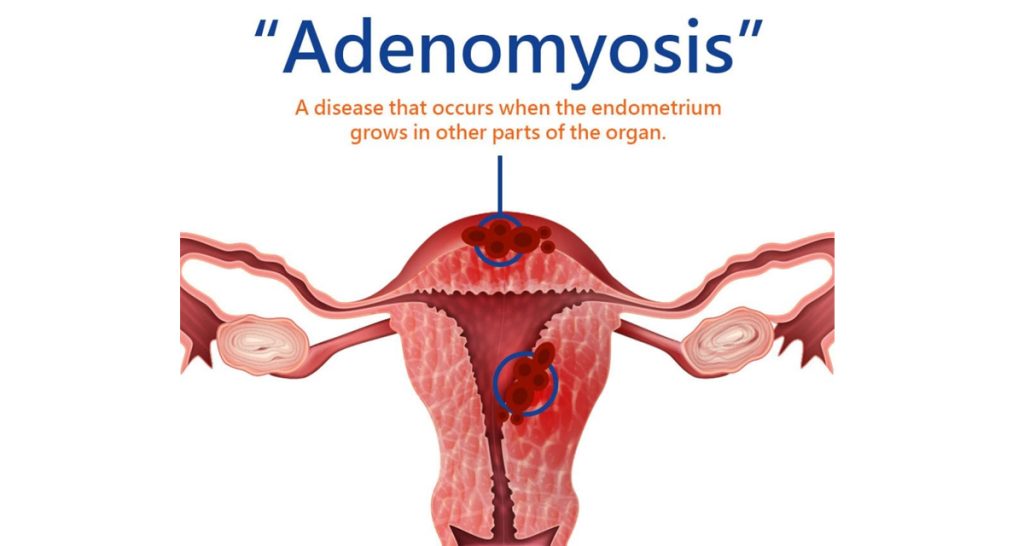
Adenomyosis is a gynaecological condition in which the inner lining of the uterus (endometrium) grows into the muscular wall of the uterus (myometrium). This can lead to painful periods, heavy bleeding, and an enlarged, tender uterus. While adenomyosis shares some symptoms with conditions like endometriosis or fibroids, it is a distinct diagnosis with its own challenges. In South Africa, the condition may be underdiagnosed, especially in rural settings or where access to gynaecologists is limited. Key Characteristics In recent years, awareness of adenomyosis has grown due to better imaging tools like high-resolution ultrasound and MRI. Still, diagnosis can be delayed or confused with other pelvic conditions. 🔹 Next → [Causes and Risk Factors of Adenomyosis] Treatment Options for Adenomyosis Diagnosis and Medical Imaging of Adenomyosis Symptoms and Warning Signs of Adenomyosis Living With Adenomyosis – Support and Lifestyle Tips

Adenomyosis Read More »

I Had the Dream Again

I Had the Dream Again

It Comes Back Without Warning I had the dream again.It’s the kind that’s stuck in my bones—one I can’t escape, no matter how hard I try.But this isn’t just a dream. It’s a memory with claws. It drags me back to the worst part of my life, to a place I’ve spent years trying to bury. I’ve run, I’ve pushed, I’ve tried to forget. Yet, no matter how far I go, it always finds me. I’m Back in That Kitchen In the dream, I’m screaming. “I can’t take this! I just cannot take it anymore!” The words are heavy. They’ve been sitting in silence too long. My voice cracks with the weight of all the things I didn’t say when it mattered most. The pain cuts deep—sharp and real. For a moment, I’m back there. Back in that kitchen. Back in that house. Trapped in a relationship that slowly broke me down. When My Body Gives In I collapse. My body gives in and falls to the floor. My back leans against the kitchen cupboard like it’s the only thing holding me up. I’m breathing like I’ve just run a 10km race—fast, shallow, and panicked. My chest tightens. My ears ring. Then, I hear the door handle turning. I can’t see him clearly, but I know it’s him. I feel it. And just as the door starts to open… I wake up. And lie there, confused. Annoyed. My heart still feels like it’s outside of my chest. I hate how this dream makes me feel—small, helpless, shaken. It lingers long after the light of day has arrived. Because in the dream, I know I need someone. I need comfort. I want someone to tell me that everything will be okay, that I’ll survive this storm. But I don’t reach for anyone. I sit with it. I let the pain wash over me. Sometimes, I need that moment. Even if it breaks me open a little. What Healing Actually Looks Like Still, waking up from that dream leaves a mark.It clings to me as the day begins. It’s like a weight I didn’t ask for—but somehow, it ends up back in my hands. I hate how it takes me back to a version of myself I’ve fought so hard to outgrow. But maybe that’s the reminder: I’m no longer her. Even when the dream tries to convince me otherwise. Healing doesn’t always mean the past disappears. In fact, it often comes in waves. Sometimes, it loops back when you least expect it. Other times, it shows up at 3 a.m. when all you want is a peaceful night. But, I wake up. I breathe. And move.And I keep going. And for now, that’s enough. Mental Matters is a resource and information platform. We do not provide medical advice, diagnosis, or treatment. While the information on our website is for general awareness and support, it should not replace professional advice. For any mental health concerns, please consult a qualified healthcare or mental health professional. Sr Celeste Groenewald Midwife Rietondale The Symptoms of Clinical Depression Breathe Play Heal Johannesburg Let Your Emotions Breathe How to Build Your Own Emotional Safety Plan

I Had the Dream Again Read More »

This Is Where the Work Begins

Healing, heartbreak, and rebuilding from the inside out. Avoidance comes in many forms. For some, it’s dodging conflict or skipping hard conversations. For me, it was much deeper. I had a way of steering clear of the things that required real vulnerability—opening up, trusting others, showing the raw parts of myself. It wasn’t that I didn’t want to. I did—so badly. But when trust has been broken repeatedly, letting people in feels less like an invitation and more like a risk. I’ve been hurt. Betrayed. Neglected. Life has hardened me in ways I didn’t expect. And I’m not claiming innocence either—I’ve hurt people too. I’ve made mistakes, said the wrong things, stayed too long, left too late. The weight of those downfalls can be just as heavy. The past year and a half has been the most transformative period of my life. At 31, I made the decision to start facing it all: the pain, the patterns, the trauma, the shame. No more burying, no more avoiding. It hasn’t been easy—it still isn’t. But I’m slowly learning that healing doesn’t always look like peace and quiet. Sometimes it looks like sitting in discomfort, crying over things I thought I’d moved past, or forgiving myself for choices I made when I didn’t know better. My first real mountain was my first marriage. It took me six years to even begin healing from a ten-year situation that was never what I thought it was—a union built on lies, manipulation, and control. For the longest time, I blamed myself for not seeing it sooner. I questioned my worth, my intuition, my sanity. It wasn’t just a breakup—it was an unravelling of everything I believed to be true. The hardest part wasn’t losing the person—it was realising how much of myself I lost in the process. But healing can sometimes make no sense (at first). And the truth is, we don’t wake up one day and suddenly feel whole. It’s slow. It’s layered. Some days I feel strong; other days, I fall apart. But both are part of the journey. I’m sharing this not because I have all the answers, but because I know I’m not the only one. If you’ve ever felt like your pain disqualified you from peace, or your past made you unworthy of something better—know this: you’re not alone. And you are not beyond healing. This is just the beginning of my story—a story I once felt too ashamed to share, but now see as part of my becoming. To anyone climbing their own mountain right now: KEEP GOING. It’s okay to rest, to feel, to start over as many times as you need to. There is no timeline for healing—only your own. Mental Matters is a resource and information platform. We do not provide medical advice, diagnosis, or treatment. While the information on our website is for general awareness and support, it should not replace professional advice. For any mental health concerns, please consult a qualified healthcare or mental health professional. Couples Help Relationship Counsellor Randburg Live Inside Out Counselling Brackenfell Is a “Normal Life” Possible After Trauma? The Physio Crew Inside JD Gyms Bristol INSIDE EDGE PHYSIOTHERAPY Birmingham

This Is Where the Work Begins Read More »

working with not against my depression

Working With – Not Against – My Depression

For the longest time, I thought I had two options: fight my depression or let it consume me. I spent years forcing myself to just push through, pretending I was fine, and convincing myself that if I just tried harder, I could shake it off. That never worked. What I’ve realised is that fighting my depression like an enemy only makes things worse. The only way forward—the only way to survive it—is to work with it, to stop resisting the reality of how I feel. And figure out how to exist alongside it. Some days, that means barely getting by. Other days, it means making room for things that help. It’s never easy, but here’s what has helped me: Letting Myself Feel What I Need to Feel For years, I was the master of pretending that I felt fine. I could plaster on a smile and fake my way through any situation. But every time I ignored my emotions, I was just setting myself up for the inevitable crash. Now, I let myself feel what I need to feel—without guilt, without shame. Some days, that means crying in the shower. Other days, it means taking the time to sit with those uncomfortable thoughts and feelings, instead of running from it. It’s messy, but it’s real. Not Beating Myself Up for Struggling I tend to be too hard on myself. I’ve spent so much time telling myself I should be doing better, that I shouldn’t feel this way, that I should just get over it. But none of that has ever helped. If anything, it’s made things worse. I’m learning—slowly—that I don’t have to be so hard on myself. I’m allowed to struggle. I don’t have to be perfect. Stepping Back When It Gets Too Much There are days when my thoughts spiral so fast I feel like I can’t breathe. The pressure, feeling overstimulated, and exhausted all pile up. Instead of forcing myself to push through, I step back. That might mean cancelling plans, turning my phone off, or spending the day in bed. And while my brain still tells me I’m being “lazy” or “weak,” I remind myself: I’m just trying to survive today. Leaning on the People Who Actually Get It I used to think asking for help made me a burden. That if I let people in on how bad things were, they’d run. Some did. But the right people—the ones who truly care—stayed. I’ve learned to lean on them, even when it’s uncomfortable. Even when it feels easier to isolate. Because no matter how much depression tries to convince me otherwise, I don’t have to do this alone. Taking Breaks Without the Guilt Depression drains the life out of me. Some days, the thought of doing anything feels unbearable. I used to force myself to push through, to keep going even when I was barely holding on. Now, I let myself take breaks. I rest when I need to. And I remind myself that doing nothing isn’t failing—it’s survival. Doing the Absolute Bare Minimum—and That Being Enough Some days, life feels impossible. Cooking is just not happening today. And the chances of me leaving the house? Forget it. I used to beat myself up over it, but now I work with my depression instead of against it. If all I can manage is microwaving food instead of cooking, that’s fine. If all I can do is crack a window instead of going outside, that’s still something. Survival mode means adjusting the bar—and that’s okay. Finding Ways to Connect (That Actually Feel Doable) Depression makes me want to disappear. And while sometimes I do need space, total isolation only makes it worse. I’ve realised that connection doesn’t have to mean seeing or checking in on people daily. Sometimes, it’s sending a short message. Sometimes, it’s just existing around people, like sitting in a coffee shop with my headphones on. Whatever feels manageable—that’s enough. Accepting That Healing Will Happen in Waves Some days, I feel like I’m making progress. Other days, I feel like I’m drowning again. I used to see this as failure, like I was back at square one. But I’ve come to understand that healing isn’t about constantly moving forward—it’s about learning to ride the waves. Some days will be better than others. That doesn’t mean I’m failing. It just means I’m human. Asking for Help—Even When It Feels Impossible I am still working on this one. Asking for help makes me feel uncomfortable, like I’m admitting I can’t handle life on my own. But the truth is, I can’t—and I don’t have to. Whether it’s therapy, medication, or just telling a friend, “Hey, I’m struggling,” letting people in has been one of the hardest but most necessary things I’ve done. Working with my depression helped a lot—giving myself grace, letting myself feel, asking for help, and taking things one step at a time. Some days are better, some are worse. But no matter how hard it gets, I remind myself: I’ve made it through every single bad day before this one. I can make it through this one too. Mental Matters is a resource and information platform. We do not provide medical advice, diagnosis, or treatment. While the information on our website is for general awareness and support, it should not replace professional advice. For any mental health concerns, please consult a qualified healthcare or mental health professional. Clinical Psychologist Centurion Clinical Psychologist Sandton Treatment for Depression What Is the Difference Between Anxiety and Depression? Clinical Depression in Adults

Working With – Not Against – My Depression Read More »

letting go

Learning to Let Go of What I Can’t Control

I’ve always struggled with wanting to help people see things from a different perspective—especially when I truly believed it was what they needed. It’s difficult to watch someone make choices that seem harmful or misguided, knowing that a shift in perspective could change everything for them. But the truth is, we all see the world through our own lens, shaped by our experiences, beliefs, and emotions. And no matter how much I care, I’ve come to understand that I cannot force someone to see what they are not ready to acknowledge. I had to accept people and situations for what they were, realising that any form of change on their part cannot come from me—certainly not from me forcing it. We change if we want to, and when we are ready for that change. And sometimes, it can cost us—we end up losing people. Letting go has been one of the hardest lessons I’ve had to learn. It requires stepping back and allowing people to navigate their own paths, even if that means watching them struggle. It doesn’t mean I don’t care; in fact, it’s quite the opposite. Sometimes, the greatest act of love is to let someone figure things out on their own, to give them space to grow at their own pace. But that doesn’t mean it doesn’t hurt. Watching someone you care about make decisions that you feel are leading them in the wrong direction can be frustrating and painful. The need to step in, to guide, to prevent pain—it’s strong. Yet, I’ve realised that my role isn’t to control or change someone’s journey. My role is to be there if and when they are ready to reach out. It’s a difficult balance to strike. But the more I practice letting go, the more peace I find. I focus on what I can control—my own actions, my own growth, and my own boundaries. And in doing so, I create space for healthier relationships, where understanding and acceptance replace frustration and resistance. Learning to let go doesn’t mean giving up. It means trusting the process, having faith that people will see what they need to see when they are ready. And in the meantime, I choose to focus on my own journey, learning and growing in the ways that I can control. Mental Matters is a resource and information platform. We do not provide medical advice, diagnosis, or treatment. While the information on our website is for general awareness and support, it should not replace professional advice. For any mental health concerns, please consult a qualified healthcare or mental health professional. The Different Kinds of Anxiety Disorders Explained Is a “Normal Life” Possible After Trauma? How to Identify Emotional Triggers Practical Tips for Managing Social Anxiety in Everyday Situations Ready for Life Physio & Rehab Norwich

Learning to Let Go of What I Can’t Control Read More »

are we losing something with online therapy?

Are We Losing Something with Online Therapy?

In recent years, online counselling has become the go-to option for many looking for mental health support. The world has shifted towards digital convenience, and therapy is no exception. But is it truly as effective as in-person counselling? Or are we losing something in the process? POV: Having tried both, I’ve found that while online sessions have their perks, there’s something undeniably valuable about sitting across from a therapist in person. Why Are We Gravitating Towards Online Counselling? Convenience is king. When life is overwhelming, the last thing you want to deal with is traffic, find parking, or sit in a waiting room overthinking your problems before a session even begins. Online therapy offers a way to get help without leaving your comfort zone, which can be a real benefit if you’re juggling a busy schedule, have mobility challenges, or feel uneasy about traveling. It’s private, flexible, and often more affordable, making it a practical choice for many. The Benefits of Online Counselling Are We Losing Something in the Process? Despite the many benefits, online counselling isn’t perfect. Therapy is deeply personal, and there’s an unspoken connection that can come from being physically present with someone who is holding space for you. Distractions at Home – It’s easy to get interrupted by pets, kids, or even a notification popping up mid-session. The Missing Human Presence – There’s something about eye contact, body language, and just ‘feeling’ the presence of another person that doesn’t always translate through a screen. Tech Issues – Poor internet connections, audio lags, or dropped calls can disrupt the flow of a session. Easier to Cancel or Disconnect – When you don’t have to physically go anywhere, it’s so much easier to talk yourself out of a session. Less of a ‘Therapy Environment – Therapy rooms are intentionally designed to create a sense of safety and peace. Your bedroom or kitchen table might not offer the same effect. Will This Change in the Long Run? It’s unlikely that online therapy is going anywhere. If anything, it will probably continue to evolve, integrating AI, virtual reality, or more interactive tools to bridge the gap between convenience and connection. However, in-person therapy still holds its place, especially for those who crave that human touch and deeper presence in their sessions. Final Thoughts At the end of the day, the best therapy is the one that works for you. Online counselling might be the perfect fit for some, while others may benefit more from face-to-face interaction. Maybe a hybrid approach—doing online sessions when life gets busy and in-person sessions when deeper connection is needed—is the way forward. Personally? I found online counselling incredibly convenient, but I also recognise the value of pushing through resistance and showing up in person. Because sometimes, the effort of getting there is part of the healing process too. What are your thoughts? Have you tried both? Which do you prefer? Mental Matters is a resource and information platform. We do not provide medical advice, diagnosis, or treatment. While the information on our website is for general awareness and support, it should not replace professional advice. For any mental health concerns, please consult a qualified healthcare or mental health professional. I Lost a Child and They Told Me to Be Grateful You’re Not A Loser, Social Media Just Sucks Perfect Balance Clinic St Albans (Fitness First) St Albans Recognising the Symptoms of Addison’s Disease I Lost Myself Trying to Make Others Happy

Are We Losing Something with Online Therapy? Read More »

Scroll to Top