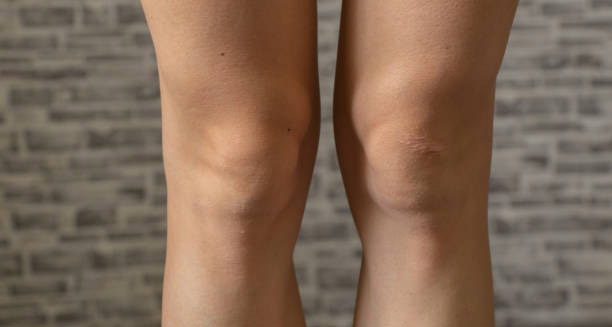
Knock knees can develop for a variety of reasons, ranging from normal childhood growth patterns to underlying medical conditions.
While mild cases of knock knees in young children are usually part of typical bone growth, more serious cases may happen because of bone, diet, or health problems. Knowing the different causes of knock knees helps doctors choose the best treatment and avoid long-term problems linked to joint misalignment.
Normal Growth and Early Development
In many children, knock knees are part of normal growth. This is called a physiological condition. Children between two and five often show signs of genu valgum (the medical name for knock knees) while growing.
During this stage, their legs shift from the bow-legged shape seen in babies to a straighter form. As they grow older, the bones line up better. In most cases, the knees straighten by age seven or eight. These types of knock knees usually do not hurt or stop children from moving.
Structural and Health-Related Causes of Knock Knees
However, if knock knees stay beyond early childhood or appear later in life, they are usually not part of normal growth. In these cases, the condition is known as pathological. This can happen because of gene problems, body chemistry issues, infections, or injuries that affect how bones grow. These causes often change the bone’s shape, leading to clear and more serious knock knees.
One of the more common causes of knock knees in children is rickets. This condition happens when the body lacks vitamin D, calcium, or phosphate. Rickets weakens the bones, making them too soft to stay in line. The leg bones struggle to support the body’s weight, and this can lead to or worsen knock knees. Even though rickets is rare in wealthy countries, it still affects many children in places with poor diets or limited sunlight.
Genetic Conditions and Injuries
Some inherited disorders also lead to knock knees. Problems like skeletal dysplasia, brittle bone disease (osteogenesis imperfecta), or multiple epiphyseal dysplasia affect bone growth. These often show up in childhood and may come with other body changes or slower growth. In these situations, knock knees may be just one of several joint issues needing long-term care.
Injuries to the growing ends of bones—especially in the thigh (femur) or shin (tibia)—can also cause knock knees. This happens more in children and teens, whose bones are still growing. If one side of the bone grows faster due to an injury or swelling, it may cause the leg to bend inward. After such injuries, it’s important to watch healing closely to avoid long-term joint problems.
Extra Weight and Inflammation as Causes of Knock Knees
Carrying extra weight also adds stress to the knees. This is especially true for growing children. The extra pressure can make existing knock knees worse or slow down the normal straightening process. Overweight kids may also move less and have weaker muscles, both of which can make alignment problems harder to fix.
Arthritis, especially rheumatoid arthritis, can damage the knees and lead to knock knees. This condition causes swelling in the joints and breaks down cartilage and bone. When this happens in the knees, it can shift the joint inward. Although osteoarthritis more often leads to bow legs, it can still cause knock knees when the outer part of the knee is more affected.
Less Common but Possible Triggers
In rare situations, infections like bone infection (osteomyelitis) or joint infection (septic arthritis) can damage bone ends or joint surfaces. These infections may lead to swelling and lasting changes in bone shape. Fast treatment is needed to reduce the risk of long-term leg misalignment.
Surgeries on the legs can also affect alignment. For example, removing a tumour or correcting a different joint problem might change the way bones grow. In some cases, this can result in knock knees that require more medical attention or even another surgery.
Bad posture, weak muscles, or poor movement habits can also play a role. Repeated stress from sports or dancing—especially with poor form—can slowly shift the knees inward. Over time, these physical strains may cause knock knees even if there was no problem before.
Understanding the Causes of Knock Knees for Proper Treatment
The causes of knock knees guide the choice of treatment. When the issue is part of normal growth, no treatment is usually needed. But if the cause is due to health issues, injury, or other medical problems, then care such as bracing, therapy, or surgery might be needed.
It’s very helpful to find the real cause. That way, the person avoids treatments they don’t need and gets the right help instead.
Final Thoughts on Causes of Knock Knees
In short, knock knees can happen for many reasons—from normal growth to serious health conditions. Knowing whether the genu valgum is part of natural growth or not helps decide what to do next.
Some causes are harmless and go away on their own. Others may point to deeper problems like vitamin shortages, inherited bone issues, injury, or long-term illness. Finding the cause early and treating it the right way can stop problems and support healthy bones for life.