Mental Matters

Live Better

Yoga Poses to Regulate Your Nervous System

Yoga Poses to Regulate Your Nervous System

When your nervous system is out of balance, everything feels harder—thinking clearly, staying calm, sleeping well, even breathing fully. Stress, trauma, chronic worry, and modern life all take their toll on the nervous system. But the good news is, we don’t have to stay stuck in fight, flight, or freeze. Through intentional movement and breath, yoga offers a powerful way to calm the chaos inside and help your body feel safe again. Your nervous system controls more than you think Your autonomic nervous system (ANS) is responsible for regulating your body’s automatic functions—like heart rate, digestion, and breathing. It has two main branches: Many of us live with a constantly activated stress response, leading to anxiety, poor sleep, fatigue, gut issues, and emotional overwhelm. Yoga is one of the most effective, science-backed ways to activate the parasympathetic system and bring your body back to balance. 6 yoga poses to soothe and regulate your nervous system These poses are simple, calming, and can be done at home—no fancy gear or flexibility required. Just you, your breath, and a little space to move and rest. 1. Child’s Pose (Balasana) A grounding, inward-facing pose that signals safety to the brain. How: Kneel on the floor, big toes touching, knees wide apart. Fold forward, arms stretched out or by your sides. Breathe deeply into your back body. Why it works: Calms the mind, reduces stress, and gently massages the internal organs. 2. Legs Up the Wall (Viparita Karani) A restorative pose that helps regulate blood flow and quiet the mind. How: Lie on your back with your legs extended up a wall or a chair. Arms relaxed at your sides. Why it works: Reduces anxiety, improves circulation, and shifts the body into rest mode. 3. Seated Forward Fold (Paschimottanasana) Encourages stillness and introspection. How: Sit with legs extended. Inhale to lengthen the spine, exhale to fold gently over your legs. Bend your knees if needed. Why it works: Soothes the nervous system and stretches the spine and hamstrings gently. 4. Cat-Cow Pose (Marjaryasana-Bitilasana) A rhythmic, breath-led movement that connects body and mind. How: On hands and knees, inhale as you arch the back (cow), exhale as you round the spine (cat). Move slowly with breath. Why it works: Balances energy, reduces tension, and encourages deeper breathing. 5. Supine Twist (Supta Matsyendrasana) A gentle twist to release tension in the spine and calm the nerves. How: Lie on your back. Hug one knee in, then guide it across your body to the opposite side. Extend your arms out and gaze in the opposite direction. Why it works: Releases stored tension and aids digestion—great for calming the gut-brain connection. 6. Savasana (Corpse Pose) Stillness is powerful. How: Lie flat on your back, legs comfortably apart, arms by your side, palms up. Close your eyes and focus on your breath. Stay here for 5–10 minutes. Why it works: Allows full nervous system reset, enhances body awareness, and supports deep relaxation. 💫 Breath is the bridge To enhance nervous system regulation, pair these poses with slow, deep breathing—inhaling through the nose for 4 counts, exhaling for 6 counts. Longer exhales signal safety to the brain and help deactivate the stress response. Just a few minutes of intentional movement can help shift you from chaos to calm. These poses aren’t about “doing yoga perfectly”—they’re about showing up for your nervous system with softness and care. Whenever life feels too loud, return to your breath, your body, and your mat.


Yoga Poses to Regulate Your Nervous System Read More »

Simple Habits to Help You Live Better

Simple Habits to Help You Live Better

Everyday wellness for mind and body. Wellness doesn’t have to mean green juices and gym memberships. Often, it starts with the smallest shifts—done consistently, and with intention. If you’re someone who wants to live better—to feel more energised, mentally clear, emotionally grounded, and physically well—you’re not alone. In today’s fast-moving world, taking care of both mind and body has never been more important… or more accessible. This article explores practical, science-backed ways to support everyday wellness—no matter your age, background, or schedule. Why mind–body wellness matters Your body and mind are not separate systems.When you don’t sleep well, your mood suffers. If you feel stressed, your digestion slows. When you’re mentally foggy, your body feels heavier. Everyday wellness means looking at your health as a whole—mental, physical, emotional, and environmental. And while self-care can feel like a luxury, the basics of wellness are often free, simple, and deeply impactful. 1. Eat to fuel, not just to fill 🌿 The food you eat directly affects your brain function, energy levels, and immune system. You’re not just feeding your body. You’re fuelling your mood and mental clarity too. 2. Protect your sleep like it’s sacred 😴 Quality sleep is the foundation of mental and physical wellness. Poor sleep has been linked to anxiety, depression, weight gain, and low immunity. Prioritising rest is not lazy—it’s smart self-care. 3. Move daily 🧘 Movement supports everything from brain chemistry to emotional resilience. Moving your body helps clear your mind. 4. Hydration and supplements matter 💧 Water supports nearly every system in your body—yet many of us aren’t drinking enough. 5. Train your mind like a muscle 🧠 Mental health is just as important as physical health—and it needs regular attention. Mental hygiene is daily work—just like brushing your teeth. 6. Connect, laugh, and be human ❤️ Social connection has been proven to extend lifespan and improve emotional wellbeing. You don’t need a huge network. Just one meaningful connection can shift your day. 7. Pay attention to what you consume (beyond food) 🌞 Your inputs shape your outlook. Everything you consume—visually, emotionally, mentally—affects how you feel. Start where you are You don’t need a total lifestyle overhaul to improve your wellness.You just need a starting point. Pick one small thing you can do today—drink more water, stretch for five minutes, take three deep breaths before checking your phone—and build from there. Because everyday wellness isn’t about being perfect.It’s about being present.And making small, conscious choices that help you live better—one day at a time.

Simple Habits to Help You Live Better Read More »

More Foods That Are Good for the Brain

More Foods That Are Good for the Brain

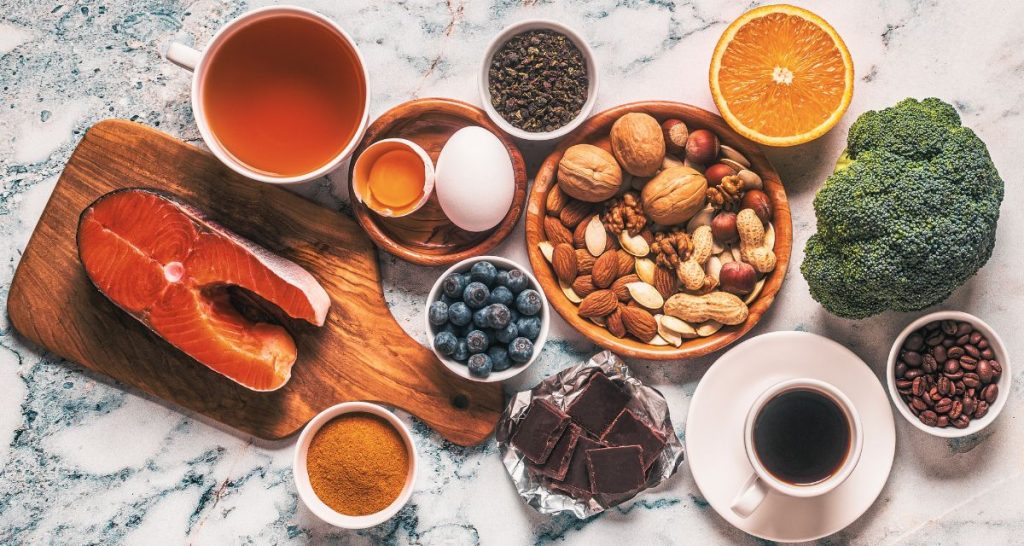
Eating for focus – the next brain-boosting bites. When it comes to nourishing your mind, there’s no single magic food. Instead, it’s about building consistent habits with everyday ingredients that support mental clarity, memory, and overall cognitive function. Previously, we looked at 5 foods to power your mind. Now let’s explore even more foods that help keep your brain sharp, energised, and resilient. 1. Eggs Why they help: Eggs are rich in choline, a nutrient used to make acetylcholine—a neurotransmitter involved in mood, memory, and mental clarity. They’re also a great source of B vitamins, which help regulate mood and reduce brain fog. 🍳 Try it: Scrambled, poached, boiled, or in a veggie-packed omelette—eggs are a simple and brain-smart start to your day. 2. Avocados Why they help: Creamy and full of monounsaturated fats, avocados support healthy blood flow to the brain. They’re also packed with folate and fibre, making them an excellent ally for mental wellbeing. 🥑 Try it: Spread on wholegrain toast, blend into smoothies, or add slices to a salad for a nourishing brain boost. 3. Coffee & Green Tea Why they help: These drinks contain caffeine, which can improve alertness, mood, and concentration. Green tea also contains L-theanine, an amino acid that works with caffeine to create a more stable energy lift—without the jitters. ☕ Try it: A mindful cup or two in the morning can help you feel more focused, but keep caffeine intake moderate to avoid disrupting your sleep. 4. Wholegrains (e.g. oats, quinoa, brown rice) Why they help: Wholegrains provide steady, slow-release energy—essential for maintaining consistent brain performance throughout the day. They also help stabilise blood sugar levels, which reduces mood swings and fatigue. 🍠 Try it: Start your day with oats, or swap in brown rice or quinoa as the base for salads and bowls. 5. Citrus Fruits (oranges, grapefruit, lemons) Why they help: Rich in vitamin C, citrus fruits protect against cognitive decline by fighting off oxidative stress and supporting the production of neurotransmitters like dopamine and serotonin. 🍊 Try it: Enjoy fresh citrus slices as a snack, mix into salads, or infuse water with lemon or orange for a refreshing brain-boosting drink. Eat to live (and think) better Supporting your brain isn’t just about what you do—it’s about what you consume. These foods won’t just help you feel more focused today, they can support long-term brain health, reduce the risk of cognitive decline, and help you live better—mentally and physically. When in doubt, choose colour, choose balance, and choose whole foods that work with your body, not against it.

More Foods That Are Good for the Brain Read More »

5 Foods to Power Your Mind

5 Foods to Power Your Mind

Eating for focus. You can’t pour from an empty cup—and you can’t think clearly without fuelling your brain. In a world where your attention is constantly pulled in every direction, staying focused isn’t a luxury—it’s a necessity. Whether you’re navigating work, parenting, studying, or just trying to feel more mentally clear, your brain needs the right fuel. Why brain-boosting foods matter Your brain uses around 20% of your body’s daily energy—and the quality of that energy affects everything from mental clarity and memory to mood and concentration. Choosing the right foods can support sharper thinking, sustained focus, and long-term brain health. You don’t need fancy supplements—just real, whole foods. Here are 5 powerhouse foods that can help you eat your way to better focus. 1. Berries Why they help: Berries, especially blueberries, are rich in antioxidants like anthocyanins that protect brain cells from stress and inflammation. They’re linked to improved memory and cognitive performance. 🫐 Try it: Add them to your morning oats, smoothie, or enjoy a handful as a midday snack. 2. Fatty Fish (e.g. salmon, sardines, mackerel) Why they help: Packed with omega-3 fatty acids (especially DHA), these fats are essential for brain function and structure. They support communication between brain cells and may reduce cognitive decline. 🐟 Try it: Grill or bake for a simple lunch, or add canned mackerel to a salad for a no-fuss omega-3 boost. 3. Leafy Greens (like spinach, kale, rocket) Why they help: Full of folate, vitamin K, lutein, and beta carotene—leafy greens help slow down cognitive ageing and promote brain cell health. 🥬 Try it: Blend into smoothies, stir into scrambled eggs, or make a hearty green salad with olive oil and lemon. 4. Nuts and Seeds Why they help: Especially walnuts, almonds, and flaxseeds, which contain plant-based omega-3s and vitamin E—both known to support memory and protect against mental decline. 🥜 Try it: Snack on a small handful daily or sprinkle on yoghurt, porridge, or salads. 5. Dark Chocolate Why it helps: Contains flavonoids, caffeine, and antioxidants that enhance brain plasticity and increase blood flow to the brain. Just a small piece can give your brain a gentle lift. 🍫 Try it: Choose chocolate with 70% cocoa or more and enjoy in moderation—great as an afternoon pick-me-up. Eating for focus isn’t about a perfect diet—it’s about making consistent, mindful choices that support your energy, memory, and mental performance. Think of your meals as part of your wellness strategy—not just fuel, but nourishment for the mind. So next time you reach for a snack or plan your lunch, ask: “Is this fuelling my brain to live better?”

5 Foods to Power Your Mind Read More »

From Energy to Skin What B Vitamins Do

From Energy to Skin: What B Vitamins Do

We often hear about B vitamins as a group — “Take your B-complex!” — but each B vitamin plays a unique and important role in your health. From energy production to supporting your brain and immune system, these eight vitamins are essential for feeling your best. Here’s a breakdown of each member of the B vitamin family: Together, the B vitamins play a powerful role in keeping your body energised, focused, and balanced. They’re water-soluble, meaning your body doesn’t store them — so you need to replenish them regularly through food or supplements. Good sources of B Vitamins If you follow a plant-based diet, it’s worth paying special attention to B12, which is mostly found in animal products. Supplementation may be necessary. Your body is a complex system, and B vitamins help keep things running. Whether you’re managing stress, supporting your skin, or fuelling your energy levels, B vitamins are worth getting to know. Reviewed April 2025. Always consult a professional for individual guidance.

From Energy to Skin: What B Vitamins Do Read More »

How Vitamin C Helps You Stay Healthy

How Vitamin C Helps You Stay Healthy

We all know Vitamin C is good for us — it’s probably the first thing you reach for when you feel a cold coming on. But this little nutrient does a lot more than just help you through flu season. If you’re feeling tired, stressed, or just not yourself lately, it might be time to give your body a bit of backup. Why your body needs Vitamin C more than you think Your body doesn’t store Vitamin C, and it uses it up faster when you’re: In short: your body needs it daily, and in winter (or any time you’re under pressure), it needs even more. It’s not just about immunity Vitamin C helps: It also plays a small but important role in energy and mental clarity. If you’ve had that “foggy” feeling for a while, low Vitamin C could be part of the problem. Food first, always You don’t need fancy powders to get your daily dose. Some of the best sources of Vitamin C include: When a supplement helps Sometimes food isn’t enough, especially in winter when our diets change. You might want to consider a daily Vitamin C supplement if: Even a basic chewable or effervescent Vitamin C can help. Just don’t expect it to “cure” anything overnight — it’s about giving your body a little more support, consistently. Vitamin C is one of the easiest ways to take better care of your body, especially during tough seasons. Whether you’re trying to avoid getting sick, bounce back faster, or just feel a bit more like yourself again — start with the basics. Get more of it on your plate, and don’t be afraid to supplement when life gets intense. Reviewed April 2025. Always consult a professional for individual guidance.

How Vitamin C Helps You Stay Healthy Read More »

Why Your Body Needs More Vitamin B

Why Your Body Needs More Vitamin B

How this powerful vitamin family supports energy, immunity, and overall health. When the days get shorter and the temperatures drop, many people notice a dip in energy, mood, and general wellness. While staying warm and eating well are key to surviving winter, there’s another essential ally that’s often overlooked: Vitamin B. From supporting immunity to fighting fatigue, B vitamins are essential for helping you feel your best — especially during flu season. Here’s why they matter and how to include them in your winter wellness routine. What is Vitamin B? Vitamin B isn’t just one nutrient — it’s a group of eight different vitamins, each with a unique role in keeping your body functioning properly: Together, they help fuel your body, regulate your mood, and keep your immune system strong. Why Vitamin B matters in winter During the colder months, your body goes through more stress — less sunlight, changes in diet, and seasonal viruses like the flu. These factors can lead to: Vitamin B, particularly B6 and B12, plays a crucial role in helping your body manage these challenges. They support your nervous system, help reduce tiredness, and promote the production of white blood cells — your body’s natural defence against illness. Should you consider a Vitamin B injection? While you can get Vitamin B through your diet — think leafy greens, eggs, dairy, meat, legumes — some people may benefit from a Vitamin B injection, especially if they’re: B injections deliver the vitamin directly into your bloodstream, giving you a fast and effective energy boost. They’re often used to help with low B12 levels, chronic fatigue, and immune support during flu season. Getting enough B Vitamins through food If injections aren’t for you, focus on foods rich in B vitamins: A balanced, whole-foods-based diet can often cover your daily needs — but if you’re under stress or recovering from illness, a B-complex supplement might help. Winter wellness isn’t just about avoiding colds — it’s about maintaining your energy, focus, and immunity. B vitamins are a powerful tool to help you live better, feel stronger, and stay resilient through the colder months. If you’re feeling drained or run down, a Vitamin B injection or supplement could be just what your body needs to bounce back. Reviewed April 2025. Always consult a professional for individual guidance.

Why Your Body Needs More Vitamin B Read More »

strengthen your immune system this winter

How to Strengthen Your Immune System this Winter

Simple, effective ways to stay healthy during flu season in South Africa Winter in South Africa doesn’t just bring colder weather and cosy evenings — it also marks the peak of flu season. With colds, flu, and other seasonal bugs doing the rounds, a strong immune system is your best defence. While getting the flu shot remains one of the top ways to protect yourself, there are additional steps you can take to boost your immunity naturally and consistently throughout the colder months. Here’s how you can strengthen your immune system this winter and stay one step ahead of seasonal illness. Load up on Vitamin C and Zinc Vitamin C is a well-known immune booster, and for good reason. It supports your body’s ability to fight off infections and helps reduce the duration and severity of colds. Zinc plays a similar role by supporting the development and function of immune cells. You’ll find these in: Both nutrients work best when taken regularly as part of a healthy routine — not just when you’re already feeling sick. Consider Vitamin B injections If you’re feeling run down or struggling with fatigue, a Vitamin B injection could help give your immune system and energy levels a much-needed lift. B vitamins are essential for energy production, nervous system support, and immune health. Many wellness clinics now offer quick walk-in vitamin B injections — no appointment needed — which can be especially helpful in winter when our bodies are under more stress. Try natural immune-boosting supplements In addition to vitamins and minerals, a range of herbal supplements are known for their immune-supporting properties. Some of the most popular and research-backed options include: As with any supplement, it’s a good idea to speak to a healthcare provider, especially if you’re on other medication. Book a general wellness check One of the most underrated ways to protect your health in winter is to understand your current health status. A simple wellness screening can reveal deficiencies, blood pressure issues, or chronic conditions that may be weakening your immunity without you realising it. Key health checks to consider include: With this information, you can make more informed choices about your lifestyle, diet, and supplementation. A strong immune system doesn’t come from one single action — it’s about building healthy habits consistently over time. Whether you’re boosting your vitamin intake, getting a B injection, or scheduling a quick check-up, small steps can make a big difference in how your body handles winter illnesses. Flu season may be out of your control, but how you prepare for it isn’t. Reviewed April 2025. Always consult a professional for individual guidance.

How to Strengthen Your Immune System this Winter Read More »

Flu Season in South Africa

What You Need to Know About Flu Season in South Africa

From when it starts to how to protect yourself this winter Flu season in South Africa tends to sneak up on us — one minute it’s just a drop in temperature, the next you’re bundled up with a sore throat, body aches, and a nagging cough. But while the flu might feel unpredictable, there’s plenty you can do to prepare and protect yourself. Here’s what to know about flu season in South Africa — including when it hits, how to tell the difference between a cold and the flu, and how to stay one step ahead. When does flu season start in South Africa? South Africa’s flu season typically begins in May and continues through August, often peaking during the coldest winter months of June and July. Colder weather pushes people indoors, which makes it easier for flu viruses to spread — especially in schools, workplaces, and busy public spaces. Each year, the National Institute for Communicable Diseases (NICD) monitors circulating flu strains and recommends updates to the annual flu vaccine to keep up with any changes. Should you get the flu vaccine? While it’s a personal decision, getting the flu vaccine is strongly encouraged — especially if you’re in a high-risk group. These include: Even if you’re healthy, the flu can still leave you feeling wiped out for days — and the vaccine helps reduce both the severity and the spread of the illness. Cold or flu? How to tell the difference The flu and the common cold share similar symptoms, but there are a few key differences: Symptom Cold Flu Onset Gradual Sudden Fever Rare Common (high) Fatigue Mild Intense Body aches Rare Common Chills & sweats Rare Common Headache Uncommon Common Runny/stuffy nose Common Sometimes Sore throat Common Sometimes If symptoms appear suddenly and hit hard, there’s a good chance it’s the flu. What to do if you catch the flu If the flu hits, the best thing you can do is rest and focus on recovery: Some clinics, such as M-KEM in Bellville, offer extended hours and walk-in doctor consultations for those needing extra support during flu season. Stay prepared this flu season Flu season doesn’t have to catch you off guard. A little planning — whether it’s getting vaccinated, stocking up on essentials, or scheduling a wellness check — can go a long way in keeping you and your family healthy. Reviewed April 2025. Always consult a professional for individual guidance.

What You Need to Know About Flu Season in South Africa Read More »

Burning matchstick symbolising mental and emotional burnout

Recognising Burnout Early

“Just give me a minute…” We say it to others. We say it to ourselves. But what we’re really asking for is space—to breathe, to catch up, to just be for a second. Burnout doesn’t always arrive with sirens or meltdowns. Often, it shows up quietly. It’s sitting in your car a little longer before going inside.It’s staring at your inbox, frozen.It’s ignoring messages because replying feels like too much.It’s snapping when you don’t mean to—and feeling guilty for it. You’re functioning, technically. But you’re not fully there.The joy, peace, and spark you used to feel? Distant. At first, you tell yourself it’s just a rough week.But then that week turns into two. Then a month.And slowly, this numb, stretched-thin version of life starts to feel normal. But. You don’t have to wait until you’re completely depleted to notice something’s off. You can catch burnout when tired starts becoming something deeper.When rest doesn’t work like it used to.When you stop recognising yourself in the middle of the doing and rushing. Burnout doesn’t mean you’re weak.It usually means you’ve been strong for too long—without pausing. You’ve been holding everything together, even when no one sees it.And now, your body and mind are asking for care, not pressure. So here’s your reminder: It’s okay to step back. It’s okay to not feel okay. You don’t have to earn your rest. If your body says pause—listen.If your chest feels heavy—slow down.Don’t wait for a breaking point to take care of yourself. Take the minute.Take ten.Take what you need. Recognising burnout early – watch the signs below. Search our directory to find professionals near you. Reviewed April 2025. Always consult a professional for individual guidance.

Recognising Burnout Early Read More »

Scroll to Top