
Mental Matters

Healthy Eating & Nutrition

More Foods That Are Good for the Brain

More Foods That Are Good for the Brain

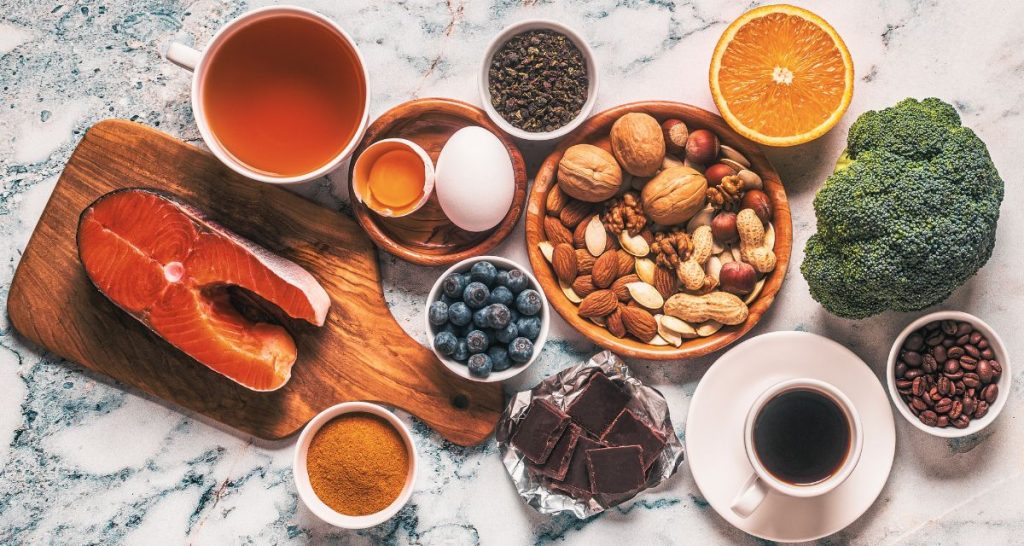
Eating for focus – the next brain-boosting bites. When it comes to nourishing your mind, there’s no single magic food. Instead, it’s about building consistent habits with everyday ingredients that support mental clarity, memory, and overall cognitive function. Previously, we looked at 5 foods to power your mind. Now let’s explore even more foods that help keep your brain sharp, energised, and resilient. 1. Eggs Why they help: Eggs are rich in choline, a nutrient used to make acetylcholine—a neurotransmitter involved in mood, memory, and mental clarity. They’re also a great source of B vitamins, which help regulate mood and reduce brain fog. 🍳 Try it: Scrambled, poached, boiled, or in a veggie-packed omelette—eggs are a simple and brain-smart start to your day. 2. Avocados Why they help: Creamy and full of monounsaturated fats, avocados support healthy blood flow to the brain. They’re also packed with folate and fibre, making them an excellent ally for mental wellbeing. 🥑 Try it: Spread on wholegrain toast, blend into smoothies, or add slices to a salad for a nourishing brain boost. 3. Coffee & Green Tea Why they help: These drinks contain caffeine, which can improve alertness, mood, and concentration. Green tea also contains L-theanine, an amino acid that works with caffeine to create a more stable energy lift—without the jitters. ☕ Try it: A mindful cup or two in the morning can help you feel more focused, but keep caffeine intake moderate to avoid disrupting your sleep. 4. Wholegrains (e.g. oats, quinoa, brown rice) Why they help: Wholegrains provide steady, slow-release energy—essential for maintaining consistent brain performance throughout the day. They also help stabilise blood sugar levels, which reduces mood swings and fatigue. 🍠 Try it: Start your day with oats, or swap in brown rice or quinoa as the base for salads and bowls. 5. Citrus Fruits (oranges, grapefruit, lemons) Why they help: Rich in vitamin C, citrus fruits protect against cognitive decline by fighting off oxidative stress and supporting the production of neurotransmitters like dopamine and serotonin. 🍊 Try it: Enjoy fresh citrus slices as a snack, mix into salads, or infuse water with lemon or orange for a refreshing brain-boosting drink. Eat to live (and think) better Supporting your brain isn’t just about what you do—it’s about what you consume. These foods won’t just help you feel more focused today, they can support long-term brain health, reduce the risk of cognitive decline, and help you live better—mentally and physically. When in doubt, choose colour, choose balance, and choose whole foods that work with your body, not against it.

More Foods That Are Good for the Brain Read More »

5 Foods to Power Your Mind

5 Foods to Power Your Mind

Eating for focus. You can’t pour from an empty cup—and you can’t think clearly without fuelling your brain. In a world where your attention is constantly pulled in every direction, staying focused isn’t a luxury—it’s a necessity. Whether you’re navigating work, parenting, studying, or just trying to feel more mentally clear, your brain needs the right fuel. Why brain-boosting foods matter Your brain uses around 20% of your body’s daily energy—and the quality of that energy affects everything from mental clarity and memory to mood and concentration. Choosing the right foods can support sharper thinking, sustained focus, and long-term brain health. You don’t need fancy supplements—just real, whole foods. Here are 5 powerhouse foods that can help you eat your way to better focus. 1. Berries Why they help: Berries, especially blueberries, are rich in antioxidants like anthocyanins that protect brain cells from stress and inflammation. They’re linked to improved memory and cognitive performance. 🫐 Try it: Add them to your morning oats, smoothie, or enjoy a handful as a midday snack. 2. Fatty Fish (e.g. salmon, sardines, mackerel) Why they help: Packed with omega-3 fatty acids (especially DHA), these fats are essential for brain function and structure. They support communication between brain cells and may reduce cognitive decline. 🐟 Try it: Grill or bake for a simple lunch, or add canned mackerel to a salad for a no-fuss omega-3 boost. 3. Leafy Greens (like spinach, kale, rocket) Why they help: Full of folate, vitamin K, lutein, and beta carotene—leafy greens help slow down cognitive ageing and promote brain cell health. 🥬 Try it: Blend into smoothies, stir into scrambled eggs, or make a hearty green salad with olive oil and lemon. 4. Nuts and Seeds Why they help: Especially walnuts, almonds, and flaxseeds, which contain plant-based omega-3s and vitamin E—both known to support memory and protect against mental decline. 🥜 Try it: Snack on a small handful daily or sprinkle on yoghurt, porridge, or salads. 5. Dark Chocolate Why it helps: Contains flavonoids, caffeine, and antioxidants that enhance brain plasticity and increase blood flow to the brain. Just a small piece can give your brain a gentle lift. 🍫 Try it: Choose chocolate with 70% cocoa or more and enjoy in moderation—great as an afternoon pick-me-up. Eating for focus isn’t about a perfect diet—it’s about making consistent, mindful choices that support your energy, memory, and mental performance. Think of your meals as part of your wellness strategy—not just fuel, but nourishment for the mind. So next time you reach for a snack or plan your lunch, ask: “Is this fuelling my brain to live better?”

5 Foods to Power Your Mind Read More »

From Energy to Skin What B Vitamins Do

From Energy to Skin: What B Vitamins Do

We often hear about B vitamins as a group — “Take your B-complex!” — but each B vitamin plays a unique and important role in your health. From energy production to supporting your brain and immune system, these eight vitamins are essential for feeling your best. Here’s a breakdown of each member of the B vitamin family: Together, the B vitamins play a powerful role in keeping your body energised, focused, and balanced. They’re water-soluble, meaning your body doesn’t store them — so you need to replenish them regularly through food or supplements. Good sources of B Vitamins If you follow a plant-based diet, it’s worth paying special attention to B12, which is mostly found in animal products. Supplementation may be necessary. Your body is a complex system, and B vitamins help keep things running. Whether you’re managing stress, supporting your skin, or fuelling your energy levels, B vitamins are worth getting to know. Reviewed April 2025. Always consult a professional for individual guidance.

From Energy to Skin: What B Vitamins Do Read More »

How Vitamin C Helps You Stay Healthy

How Vitamin C Helps You Stay Healthy

We all know Vitamin C is good for us — it’s probably the first thing you reach for when you feel a cold coming on. But this little nutrient does a lot more than just help you through flu season. If you’re feeling tired, stressed, or just not yourself lately, it might be time to give your body a bit of backup. Why your body needs Vitamin C more than you think Your body doesn’t store Vitamin C, and it uses it up faster when you’re: In short: your body needs it daily, and in winter (or any time you’re under pressure), it needs even more. It’s not just about immunity Vitamin C helps: It also plays a small but important role in energy and mental clarity. If you’ve had that “foggy” feeling for a while, low Vitamin C could be part of the problem. Food first, always You don’t need fancy powders to get your daily dose. Some of the best sources of Vitamin C include: When a supplement helps Sometimes food isn’t enough, especially in winter when our diets change. You might want to consider a daily Vitamin C supplement if: Even a basic chewable or effervescent Vitamin C can help. Just don’t expect it to “cure” anything overnight — it’s about giving your body a little more support, consistently. Vitamin C is one of the easiest ways to take better care of your body, especially during tough seasons. Whether you’re trying to avoid getting sick, bounce back faster, or just feel a bit more like yourself again — start with the basics. Get more of it on your plate, and don’t be afraid to supplement when life gets intense. Reviewed April 2025. Always consult a professional for individual guidance.

How Vitamin C Helps You Stay Healthy Read More »

Why Your Body Needs More Vitamin B

Why Your Body Needs More Vitamin B

How this powerful vitamin family supports energy, immunity, and overall health. When the days get shorter and the temperatures drop, many people notice a dip in energy, mood, and general wellness. While staying warm and eating well are key to surviving winter, there’s another essential ally that’s often overlooked: Vitamin B. From supporting immunity to fighting fatigue, B vitamins are essential for helping you feel your best — especially during flu season. Here’s why they matter and how to include them in your winter wellness routine. What is Vitamin B? Vitamin B isn’t just one nutrient — it’s a group of eight different vitamins, each with a unique role in keeping your body functioning properly: Together, they help fuel your body, regulate your mood, and keep your immune system strong. Why Vitamin B matters in winter During the colder months, your body goes through more stress — less sunlight, changes in diet, and seasonal viruses like the flu. These factors can lead to: Vitamin B, particularly B6 and B12, plays a crucial role in helping your body manage these challenges. They support your nervous system, help reduce tiredness, and promote the production of white blood cells — your body’s natural defence against illness. Should you consider a Vitamin B injection? While you can get Vitamin B through your diet — think leafy greens, eggs, dairy, meat, legumes — some people may benefit from a Vitamin B injection, especially if they’re: B injections deliver the vitamin directly into your bloodstream, giving you a fast and effective energy boost. They’re often used to help with low B12 levels, chronic fatigue, and immune support during flu season. Getting enough B Vitamins through food If injections aren’t for you, focus on foods rich in B vitamins: A balanced, whole-foods-based diet can often cover your daily needs — but if you’re under stress or recovering from illness, a B-complex supplement might help. Winter wellness isn’t just about avoiding colds — it’s about maintaining your energy, focus, and immunity. B vitamins are a powerful tool to help you live better, feel stronger, and stay resilient through the colder months. If you’re feeling drained or run down, a Vitamin B injection or supplement could be just what your body needs to bounce back. Reviewed April 2025. Always consult a professional for individual guidance.

Why Your Body Needs More Vitamin B Read More »

Scroll to Top