Overview of Metabolic Syndrome
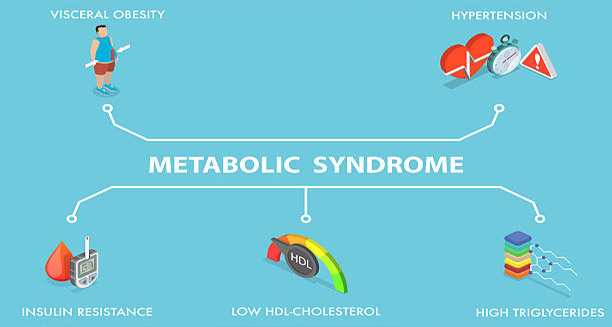
Overview of Metabolic Syndrome Metabolic syndrome is a cluster of interrelated health conditions that dramatically increase a person’s risk of cardiovascular disease, type 2 diabetes, and stroke. Rather than being a single disease, metabolic syndrome represents a combination of metabolic abnormalities that occur together and amplify one another’s negative effects. The five key components of metabolic syndrome are: A diagnosis is made when three or more of these risk factors are present. Together, they create a dangerous synergy that significantly raises the likelihood of serious chronic disease. Why Metabolic Syndrome Matters Metabolic syndrome has become increasingly common, largely due to rising obesity rates, unhealthy diets, and sedentary lifestyles. Globally, it represents a growing public health crisis, especially in developed and urbanized regions. Individuals with metabolic syndrome are: These risks make early recognition and intervention critical for long-term health. Central Obesity: A Core Feature One of the most visible and dangerous indicators of metabolic syndrome is central obesity, or excess fat around the abdomen. This type of visceral fat: According to the National Cholesterol Education Program (NCEP) ATP III, waist circumference thresholds are: This abdominal fat plays a major role in metabolic dysfunction and increases the risk of related complications. Insulin Resistance: The Underlying Mechanism A key driver of metabolic syndrome is insulin resistance. This occurs when the body’s cells stop responding effectively to insulin, leading to: Over time, insulin resistance contributes to the development of type 2 diabetes, atherosclerosis, and organ damage. Lifestyle and Environmental Factors Several modifiable lifestyle factors contribute to metabolic syndrome: These behaviours can worsen insulin sensitivity, promote fat gain (especially around the abdomen), and trigger a cascade of metabolic dysfunctions. Genetic and Demographic Risk Factors While lifestyle is a major contributor, genetics also plays a role. You may be more at risk if you: Hormonal changes, such as menopause in women and low testosterone in men, can also increase susceptibility. Conditions like PCOS (polycystic ovary syndrome) and non-alcoholic fatty liver disease (NAFLD) are strongly linked to metabolic syndrome as well. Serious Health Consequences If left untreated, metabolic syndrome significantly raises the risk of: These complications not only impair quality of life but can also become life-threatening. Public Health Impact Metabolic syndrome places a heavy burden on healthcare systems by increasing: Governments and health organizations worldwide are promoting prevention programs that focus on healthy eating, physical activity, smoking cessation, and early screening to curb this trend. Early Detection and Management Early detection is key to preventing complications. Routine screening should include: When metabolic syndrome is identified early, it can often be reversed or well-controlled through: The Role of Education and Community Support Raising awareness about metabolic syndrome is essential. People need to understand: Healthcare professionals—including primary care doctors, dietitians, and public health educators—play a crucial role in guiding patients toward sustainable health behaviours and informed choices. Conclusion Metabolic syndrome is a complex but largely preventable condition. While it significantly increases the risk of chronic illness, it can be managed effectively through early intervention, lifestyle changes, and ongoing support. Public education, regular screening, and a proactive approach are the best tools we have to reduce its impact—both at the individual and societal level. [Next: Causes of Metabolic Syndrome →]