Mental Matters

Author name: admin

Diagnosis and Treatment of Acute Kidney Injury

Diagnosis and Treatment of Acute Kidney Injury

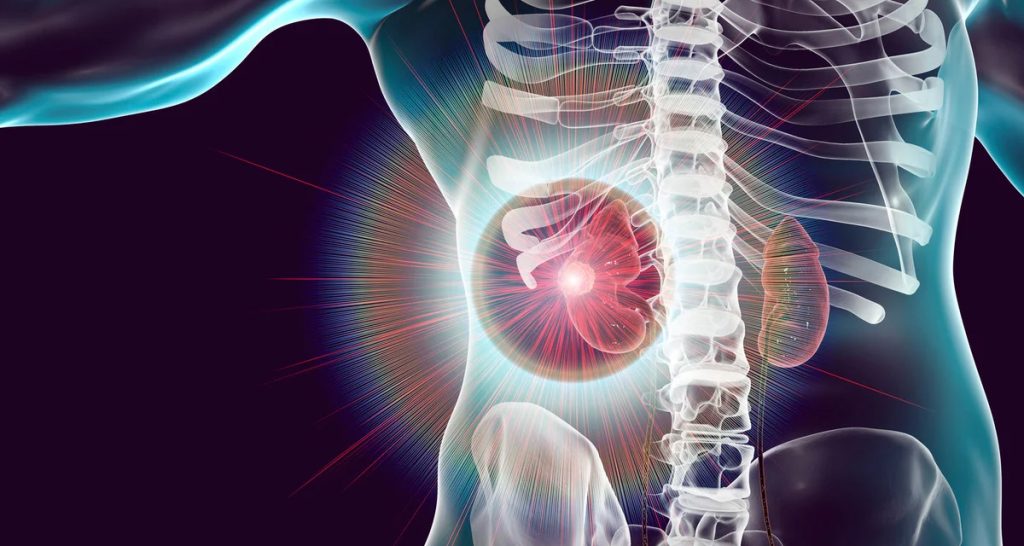
Diagnosis and Treatment of Acute Kidney Injury (AKI) Diagnosis and Treatment of Acute Kidney Injury (AKI) involves a combination of laboratory tests, clinical observations, and imaging. Because the condition can develop quickly and progress rapidly, early identification is essential for successful treatment. Diagnosis The first signs of AKI are often detected through blood tests. Elevated levels of creatinine and blood urea nitrogen (BUN) are key indicators that the kidneys are not filtering waste effectively. Abnormal electrolyte levels—especially high potassium (hyperkalaemia)—can signal kidney dysfunction and pose serious risks, including irregular heart rhythms. Alongside blood tests, doctors will usually request a urinalysis, which can reveal abnormalities such as blood, protein, or signs of infection that might contribute to the kidney injury. Doctors often combine these tests with imaging studies, most commonly a renal ultrasound, to identify physical blockages such as kidney stones or urinary tract obstructions. Monitoring the patient’s fluid balance is also critical. A significant drop in urine output, especially over 24 hours, can suggest that the kidneys are no longer working properly. Treatment Once they diagnose AKI, doctors treat the underlying cause, support kidney function, and work to prevent further injury. Doctors begin by rehydrating patients when dehydration causes AKI. They treat bacterial infections with appropriate antibiotics. If nephrotoxic medications—like certain painkillers or contrast agents—trigger the condition, they immediately stop those drugs. Doctors use supportive measures to help the kidneys recover. This might include intravenous (IV) fluids, blood pressure medications, or diuretics to encourage urine flow. Frequent monitoring of electrolytes—particularly potassium, sodium, and calcium—is necessary to avoid life-threatening imbalances. In advanced or non-responsive AKI, dialysis may be required. Dialysis performs the job of the kidneys by removing waste products and excess fluids from the blood. In many cases, this is a temporary measure until the kidneys begin to recover. Many parts of South Africa and the broader African continent struggle with limited access to dialysis because of infrastructure challenges and high costs. This makes early diagnosis and prevention even more critical in reducing long-term damage and saving lives. 🔹 Next → [Complications and Long-Term Outlook] Treatment and Recovery from Chronic Kidney Disease Causes and Risk Factors of Acute Kidney Injury Symptoms and Early Warning Signs of AKI Acute Kidney Injury

Diagnosis and Treatment of Acute Kidney Injury Read More »

Complications and Long Term Outlook of AKI

Complications and Long-Term Outlook of AKI

Complications and Long-Term Outlook of AKI Complications and Long-Term Outlook of AKI can cause life-threatening complications when not identified and treated early. AKI, also known as acute renal failure, disrupts the kidneys’ ability to filter waste and manage fluid and electrolyte balance. This sudden breakdown in function places major stress on the body and can affect multiple organs within hours or days. If left unmanaged, AKI may lead to the following complications: Individuals with underlying health conditions such as HIV, diabetes, high blood pressure, or existing kidney disease face an elevated risk. In many parts of South Africa, where specialist care may be limited, patients in rural areas are especially vulnerable to complications from Acute Kidney Injury. Long-Term Outlook Early diagnosis and active management improve the chances of full recovery from Acute Kidney Injury. Many patients regain normal kidney function if healthcare providers act quickly. However, delayed care or repeated episodes can result in chronic kidney disease (CKD). A small percentage of patients may require ongoing dialysis or remain at risk of future kidney injury. Follow-Up Care To reduce the long-term impact of AKI, patients need: Improving post-discharge monitoring and referral systems in South Africa remains critical to reducing the long-term consequences of AKI. Complications and Long-Term Outlook of AKI Living with Breast Cancer in Men Bone Cysts Recovery and Long-Term Outlook Diagnosis and Treatment of Acute Kidney Injury Symptoms and Early Warning Signs of AKI Acute Kidney Injury

Complications and Long-Term Outlook of AKI Read More »

Acute Kidney Injury

Acute Kidney Injury

Acute Kidney Injury (AKI) Acute Kidney Injury (AKI), also known as acute renal failure, refers to a sudden and often rapid decline in kidney function over a short period—typically within hours to a few days. The kidneys normally filter waste products and excess fluids from the blood, maintaining a balance of electrolytes and fluid in the body. When AKI occurs, this filtering process becomes impaired or stops entirely, leading to the build-up of harmful toxins in the bloodstream and dangerous imbalances in the body. AKI affects people of all ages, but hospitalised and critically ill patients face the highest risk. Major infections like sepsis, severe dehydration, trauma, surgical complications, and nephrotoxic medications—such as certain antibiotics, painkillers, or contrast dyes—often trigger the condition. In South Africa, healthcare workers increasingly diagnose AKI in settings burdened by HIV, TB, and malnutrition, especially in rural clinics and overcrowded urban hospitals. Who Is at Risk of Acute Kidney Injury? While AKI can affect people of any age, it is more common in: Key Features of AKI Why Early Detection Matters AKI is considered a medical emergency. The earlier it’s diagnosed, the higher the chances of full recovery. However, with timely care—usually involving intravenous fluids, stopping harmful medications, treating infections, or managing blood pressure—many patients regain normal kidney function. However, when left untreated, AKI can progress to chronic kidney disease (CKD) or even complete kidney failure requiring dialysis. Raising awareness of AKI is vital, especially in South Africa, where access to diagnostics and dialysis remains limited in many regions. Education, early recognition, and rapid response can save lives and preserve kidney function. 🔹 Next → [Causes and Risk Factors of Acute Kidney Injury] Adenomyosis(Opens in a new browser tab) Causes and Risk Factors of Acute Kidney Injury Complications and Long-Term Outlook of AKI Diagnosis and Treatment of Acute Kidney Injury Symptoms and Early Warning Signs of AKI

Acute Kidney Injury Read More »

Scroll to Top