Mental Matters

Author name: admin

Diagnosis of Mesothelioma

Diagnosis of Mesothelioma

Diagnosis of Mesothelioma Diagnosis of mesothelioma is often delayed because early symptoms resemble pneumonia, lung cancer, or irritable bowel syndrome. The disease can remain silent for decades after asbestos exposure, making it hard for patients and doctors to connect current symptoms to past risks. Doctors need high suspicion, especially for patients with known asbestos exposure. Early and accurate diagnosis is critical for guiding treatment and improving outcomes. A team approach using imaging, pathology, and biomarker studies is essential. Mesothelioma should be diagnosed by experienced oncologists and pathologists. 1. Initial Clinical Evaluation The diagnostic process begins with a complete medical history. Doctors ask about asbestos exposure, family history of cancer, past respiratory or digestive conditions, and lifestyle factors like smoking. Next, a full physical exam looks for signs such as fluid in the chest or abdomen or lumps in the testicular area. 2. Imaging Studies Imaging helps detect tumour size, location, and possible spread. Chest X-ray This is usually the first test, especially for suspected pleural mesothelioma. It can show pleural thickening, fluid buildup, lung collapse, or tumour masses. An X-ray alone does not confirm diagnosis. Computed Tomography (CT) Scan CT scans provide detailed cross-sectional images of the chest or abdomen. They help detect tumour spread, lymph node involvement, and invasion of nearby structures. CT scans also guide biopsies. Magnetic Resonance Imaging (MRI) MRI gives better soft tissue contrast. It is used to check diaphragm, chest wall, nerve, or spinal cord involvement and helps plan surgery in resectable cases. Positron Emission Tomography (PET) Scan PET scans show metabolic activity. Cancer cells use more glucose and appear bright on imaging. PET scans confirm cancer spread, detect distant metastases, and assess treatment response. PET-CT combines both techniques for thorough evaluation. 3. Biopsy Procedures A confirmed diagnosis requires tissue examination under a microscope. The biopsy method depends on tumour location. Thoracoscopy is used for pleural mesothelioma. A small chest incision allows tissue sampling. Laparoscopy is used for peritoneal mesothelioma and collects abdominal tissue samples. Mediastinoscopy biopsies mediastinal lymph nodes. Needle biopsy, guided by CT or ultrasound, collects smaller samples but is less invasive. 4. Histopathology and Subtype Classification Pathologists examine tissue to determine if cancer is present and identify the subtype. Epithelioid mesothelioma has the best prognosis. Sarcomatoid mesothelioma is aggressive. Biphasic mesothelioma is a mix of both. Subtype guides treatment and prognosis. 5. Immunohistochemistry Because mesothelioma resembles other cancers, additional staining tests help confirm diagnosis. Common markers include calretinin, WT-1, cytokeratin 5/6, D2-40, and mesothelin. Absence of other markers helps rule out lung or gastrointestinal cancer. 6. Fluid Cytology When fluid collects in the chest or abdomen, it may be examined for cancer cells. Fluid cytology alone rarely gives a conclusive diagnosis, as malignant cells can look similar to reactive cells. 7. Biomarkers in Blood Research is exploring blood biomarkers like soluble mesothelin-related peptides, fibulin-3, and osteopontin. These may help early detection or monitoring but are not yet reliable for standalone diagnosis. 8. Challenges in Diagnosis Diagnosing mesothelioma is difficult because symptoms can take 20–50 years to appear, resemble benign conditions, overlap with other cancers, or result in small or poor-quality biopsy samples. Centres with mesothelioma expertise are essential. 9. Second Opinions and Specialist Centres Patients should seek second opinions from specialist centres. These centres have advanced imaging, experienced pathologists, multidisciplinary boards, and access to clinical trials. This can speed up diagnosis and improve treatment plans. Final Thoughts The diagnosis of mesothelioma involves careful history, imaging, biopsy, and tissue analysis. It requires a team of specialists to ensure accuracy. Early and precise diagnosis expands treatment options, including surgery, chemotherapy, immunotherapy, and clinical trials. Awareness among healthcare providers and high-risk populations is vital. [Next: Treatment of Mesothelioma →]

Diagnosis of Mesothelioma Read More »

Treatment of Mesothelioma

Treatment of Mesothelioma

Treatment of Mesothelioma Treatment of mesothelioma depends on the stage of the cancer, its location, cell type, and the patient’s overall health. Mesothelioma is a rare and aggressive cancer, usually linked to asbestos exposure. It is often diagnosed late, which makes cure uncommon. Still, medical advances have created more treatment options. Main treatments include surgery, chemotherapy, radiation, targeted therapy, and immunotherapy. A team of specialists—oncologists, surgeons, radiologists, and palliative care experts—works together to plan care. The goal may be curative for early stages or palliative to reduce symptoms and improve quality of life. 1. Surgery Surgery aims to remove as much of the tumour as possible. It works best for patients with early-stage disease and good health. The type of surgery depends on where the cancer is located. Pleurectomy/Decortication (P/D) This procedure removes the lung lining and visible tumours while keeping the lung intact. It is offered to patients who cannot have more radical surgery. Benefits include lowering tumour mass, reducing fluid in the lungs, and helping breathing. Recurrence is still common. Extrapleural Pneumonectomy (EPP) EPP removes the affected lung, pleura, diaphragm, and heart lining. It is only for carefully selected patients with early-stage epithelioid mesothelioma. Though risky, it can extend life in the right candidates. Cytoreductive Surgery with HIPEC Used in peritoneal mesothelioma, this surgery removes abdominal tumours, followed by heated chemotherapy in the abdominal cavity. It has improved survival in select patients. 2. Chemotherapy Chemotherapy destroys or shrinks tumour cells. It is a main treatment for patients who cannot have surgery. First-line chemotherapy usually combines pemetrexed and cisplatin, though carboplatin may be used for kidney-sensitive patients. This combination can extend survival and relieve symptoms. Second-line chemotherapy is for cancers that progress after first-line therapy. Options include vinorelbine, gemcitabine, and experimental drugs from clinical trials. These can help control disease and ease symptoms. 3. Radiotherapy Radiation uses high-energy rays to kill cancer cells. It usually does not cure mesothelioma but can reduce pain and slow local recurrence. External Beam Radiation Therapy (EBRT) controls chest pain, shrinks tumours, and prevents local regrowth after surgery. Intensity-Modulated Radiation Therapy (IMRT) targets tumours more precisely while protecting healthy tissue. 4. Immunotherapy Immunotherapy uses the body’s immune system to fight cancer. Checkpoint inhibitors like nivolumab and ipilimumab show promise, especially in subtypes less responsive to chemotherapy. These drugs are now approved in many countries for unresectable mesothelioma. Experimental approaches, including CAR-T cells, cancer vaccines, and monoclonal antibodies, are being studied in trials. 5. Targeted Therapy Targeted therapy attacks specific genes or proteins that drive tumour growth. Research is ongoing in mesothelioma, with agents like angiogenesis inhibitors, mesothelin-targeted drugs, and gene therapy. Patients may access these therapies through clinical trials. 6. Multimodal Therapy Combining treatments can improve outcomes. Multimodal therapy often includes surgery, chemotherapy, and radiation. It is effective in early-stage pleural mesothelioma but carries higher risk and requires careful patient selection. 7. Palliative Care and Symptom Management When cure is not possible, palliative care focuses on comfort and quality of life. Treatments can relieve fluid buildup, manage pain with medications or radiation, provide nutrition support, and offer counseling. Early palliative care enhances both comfort and emotional well-being. 8. Clinical Trials Clinical trials give patients access to new therapies and help advance science. Trials may involve immunotherapy combinations, targeted drugs, new chemotherapy protocols, or gene and virus-based therapies. Oncologists help patients find trials that match their diagnosis and location. 9. Complementary and Alternative Therapies Some patients use acupuncture, meditation, massage, or nutritional supplements. These do not replace standard treatment but may ease stress and improve comfort. Always discuss complementary therapies with the medical team to avoid risks. 10. Decision-Making and Personalised Care Treatment must be personalised. Patients, families, and the medical team should make shared decisions. Consider the disease stage, cancer subtype, physical health, side effects, and availability of trials. Seeking second opinions or consulting specialist centres is encouraged. Final Thoughts The treatment of mesothelioma is complex and always evolving. While most cases are not curable, new therapies, especially immunotherapy and combined strategies, improve survival and life quality. Early diagnosis and expert care give patients the best chance to benefit from all available treatments. [Next: Prevention of Mesothelioma →]

Treatment of Mesothelioma Read More »

Prevention of Mesothelioma

Prevention of Mesothelioma

Prevention of Mesothelioma Prevention of mesothelioma mainly focuses on reducing contact with asbestos, which is the main cause of this cancer. When people breathe in or swallow asbestos fibres, they can get trapped in the lining of the lungs, abdomen, or heart. Over time, this leads to irritation and cell damage that may cause cancer. Because the disease can take decades to appear, taking early steps is vital. The most effective prevention of mesothelioma depends on strong rules, public awareness, and protective actions, especially in workplaces and high-risk areas. Although some asbestos exposure happens naturally or from old materials, many cases can still be avoided. Careful policy, public health plans, and personal awareness play key roles in keeping people safe. 1. Understanding the Role of Asbestos Asbestos is a natural mineral that was once used everywhere for its strength and heat resistance. It appeared in buildings, ships, cars, and even clothing before its dangers became known. There are several kinds, such as chrysotile (white), amosite (brown), and crocidolite (blue). All are dangerous, but crocidolite is the most harmful. Even today, asbestos remains in many old buildings, roofs, and floors. In some countries, it has not been fully banned. Because of this, people still face exposure, which shows why awareness and safety efforts must continue for the prevention of mesothelioma. 2. Occupational Safety Measures The highest risk comes from jobs that deal directly with asbestos. People who work in construction, plumbing, insulation, shipyards, firefighting, mining, or car repair face daily exposure. Governments and health agencies have created strict rules to protect these workers. These include air checks, training for handling asbestos, and use of proper safety gear like masks and disposable suits. Following these rules closely can greatly lower exposure and support the prevention of mesothelioma. Workplaces also rely on asbestos removal programs. These programs involve finding asbestos, sealing work areas, using safe removal steps, and disposing of waste carefully. Skilled workers carry out these tasks to protect both themselves and the public. 3. Environmental Controls and Public Safety People living near mines or factories may face asbestos in their surroundings. Wind and erosion can spread fibres into the air and soil. To stop this, governments need to clean old contamination zones and follow safety codes when building in affected areas. Public education is equally important. In many towns, people do not even know that asbestos exists around them. Testing and awareness help protect future generations and strengthen the prevention of mesothelioma at the community level. 4. Safe Renovation Practices Homeowners often face risk when they repair or renovate older homes. Buildings built before the 1980s may contain asbestos in tiles, roofs, insulation, pipes, or wall panels. To stay safe, never disturb any material that could contain asbestos without testing first. Hire trained experts for checks and removal. Avoid sanding, drilling, or cutting suspect materials. Proper care during renovations goes a long way in supporting the prevention of mesothelioma at home. 5. Government Policies and Bans Some countries, including the UK, Australia, and most of Europe, have completely banned asbestos. However, other regions still allow limited use, especially of chrysotile asbestos. A total worldwide ban would be the best way to stop new cases, but political and financial barriers remain. Advocates and support groups push for stricter rules, better labelling of materials, and more funding for research and education. Real progress depends on strong laws, regular inspections, and clear consequences for breaking the rules. These actions together create a stronger base for the prevention of mesothelioma. 6. Raising Public Awareness Many people still think asbestos is no longer a danger. That is why awareness campaigns matter. Schools, trade training centres, and public media should teach people how to recognise risk. Labels on products and outreach in at-risk communities also help. Encouraging those who worked with asbestos in the past to seek medical checks can lead to earlier detection and better treatment results. Spreading this message widely supports both safety and the prevention of mesothelioma. 7. Medical Surveillance and Early Detection Even though monitoring does not prevent exposure, it can catch problems early. People who have worked around asbestos should have regular scans and blood tests for specific cancer markers. Doctors can then find small changes before symptoms appear. Tracking occupational history and keeping health records help identify those most at risk. This kind of early detection is part of secondary prevention, especially important for workers and veterans. When caught early, treatment is more effective, giving hope and extending life. 8. Personal Protective Practices Anyone working or living near old asbestos materials should follow simple daily precautions. Always wear fitted masks when handling old pipes or insulation. Never take work clothes home to wash; change and shower before leaving work. Dispose of asbestos safely in sealed containers. Awareness of these everyday habits helps people protect themselves and their families. Small consistent actions play a big role in the overall prevention of mesothelioma. 9. Advocacy and Support Groups Support and advocacy groups made up of survivors, families, and professionals continue to make an impact. They provide education, emotional help, and push for better safety laws. Many also raise money for research and help victims seek justice. These organisations unite people and give them strength to demand a world free from asbestos. Their ongoing work forms a major part of global efforts toward the prevention of mesothelioma. 10. International Collaboration on Prevention of Mesothelioma Because asbestos exposure is a worldwide issue, countries must work together. Sharing research, safety standards, and data helps everyone progress faster. Groups like the WHO and the International Labour Organization work with NGOs to push for a total asbestos ban and global safety standards. This shared effort not only improves current safety practices but also ensures the next generation faces less risk. With strong teamwork, the prevention of mesothelioma can become a global success story. Final Thoughts While not all risk can be removed, much of it can be controlled. Education, law enforcement, and strict workplace safety are the

Prevention of Mesothelioma Read More »

Prognosis of Mesothelioma

Prognosis of Mesothelioma

Prognosis of Mesothelioma The prognosis of mesothelioma remains poor for most patients due to the aggressive nature of the disease and its typically late-stage diagnosis. Mesothelioma often stays hidden for decades after asbestos exposure, allowing the cancer to grow quietly. When symptoms finally appear and diagnosis is confirmed, the illness has often reached an advanced stage. At this point, treatment options are very limited. Many factors affect the overall outcome. These include the type of mesothelioma, the stage at diagnosis, the patient’s age and health, and access to care. Although long-term survival is rare, recent progress in immunotherapy and combined treatments has slightly improved life expectancy and comfort for some people. 1. Median Survival and Life Expectancy The Prognosis of Mesothelioma depends strongly on its type and stage. Most people live between 12 and 21 months after diagnosis. Pleural mesothelioma, which affects the lungs, is the most common type and the best studied.At stage 1, people often live around 20 to 22 months. Stage 2 patients live about 19 months, stage 3 around 16 months, and stage 4 usually less than a year. For those with peritoneal mesothelioma, which affects the abdomen, survival can reach up to five years when treated with surgery and heated chemotherapy. Early detection and quick treatment can greatly extend life. 2. Prognostic Factors Many factors shape the Prognosis of Mesothelioma. Cell type plays a major role. Epithelioid cells respond best to treatment and offer the highest chance of longer survival. Sarcomatoid cells act more aggressively and resist therapy. Biphasic tumours combine both types and lead to average results. Knowing the cell type helps doctors plan the right treatment and manage expectations. The stage at diagnosis also matters. Early stages often bring better chances of longer life. Sadly, most people are diagnosed at stages 3 or 4, when treatment focuses more on relief than cure. Younger and healthier patients tend to do better. Those under 60, with good lung function and no other major illnesses, handle strong treatments more easily. Gender may also influence outcome. Some research suggests that women live slightly longer, perhaps because of hormonal or genetic factors. 3. Prognosis by Mesothelioma Type Pleural mesothelioma has an average survival of 12 to 21 months, with about 10 percent living beyond five years. Treatment often includes chemotherapy, radiation, and surgery when possible. Peritoneal mesothelioma offers a better outlook when treated early with surgery and heated chemotherapy. In some cases, people can live up to five years, and about half reach that mark when surgery is successful. Pericardial and testicular mesotheliomas are very rare. People with pericardial disease often live six to twelve months, while those with testicular mesothelioma may live up to two years. These forms are difficult to treat because of their delicate locations, which limits surgical options. 4. Impact of Treatment on Prognosis of Mesothelioma The Prognosis of Mesothelioma can improve when doctors use more than one type of treatment together. Surgery removes visible tumours. Chemotherapy slows growth and helps ease symptoms. Radiation targets any cells left behind and lowers the chance of recurrence. Immunotherapy has become another important option. Drugs such as nivolumab and ipilimumab show promise, especially for people whose cancer cannot be removed with surgery. These treatments have helped patients with sarcomatoid or biphasic types live longer in clinical trials. Despite advances, there is still no cure. Treatments focus on extending life and keeping patients comfortable. 5. Prognostic Tools and Biomarkers Doctors use several tools to estimate how long a patient might live. The TNM staging system looks at tumour size, lymph nodes, and spread. The EORTC score and the CALGB index use blood results and the patient’s overall health to predict outcomes. Blood markers such as mesothelin and fibulin-3 may also help track disease progress and show how well treatment is working. Together, these tools guide doctors in planning the best possible care. 6. Quality of Life and Palliative Care Since the Prognosis of Mesothelioma often remains difficult, palliative care becomes essential. It focuses on comfort and dignity. This care includes pain relief, breathing support, and help with nutrition. Emotional and mental health support also plays a key role. Hospice care may be needed in later stages to make sure both patients and families receive peace and support. Even when cure is not possible, maintaining comfort and purpose remains a major goal of treatment. 7. Survivorship and Exceptional Cases Although rare, some people survive more than ten years after diagnosis. These long-term survivors usually share key features. They are diagnosed early, have the epithelioid cell type, and undergo aggressive combination treatments. Many also take part in clinical trials and have strong immune systems. Their stories inspire patients and researchers to continue searching for better outcomes. Genetic research aims to understand why some people respond much better to treatment than others. 8. The Role of Clinical Trials Clinical trials give patients access to new and experimental therapies. These studies explore promising ideas such as personalised vaccines, targeted drugs, and CAR T-cell therapy designed specifically for mesothelioma. Joining a trial may offer the best chance of extending life and improving the Prognosis of Mesothelioma. These studies also help doctors around the world learn more about the disease and find better treatments for the future. Final Thoughts The prognosis of mesothelioma is still one of the most difficult among cancers because it develops slowly, spreads fast, and resists many treatments. Yet, advances in diagnostics and new therapies bring hope. Early diagnosis and treatment at specialist centres can make a real difference. Patients who join clinical trials or receive innovative care often live longer and more comfortably. With growing research and patient advocacy, the Prognosis of Mesothelioma continues to improve, step by step. [Next: Back to Overview →]

Prognosis of Mesothelioma Read More »

Overview of Molluscum Contagiosum

Molluscum Contagiosum

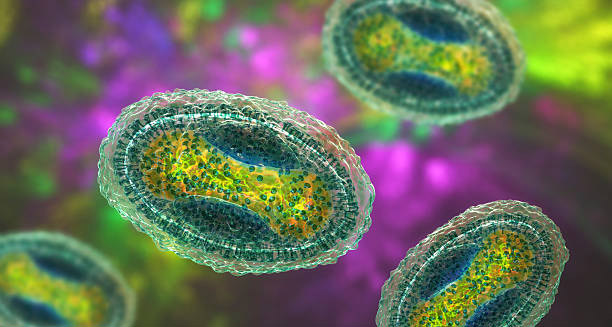
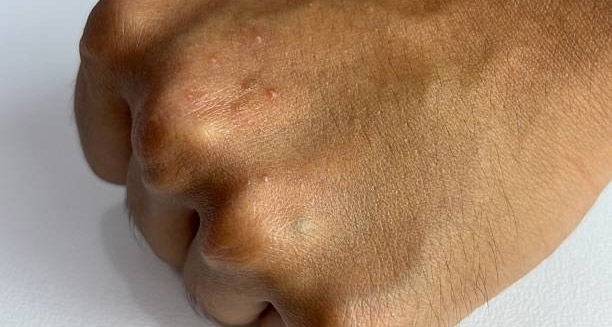
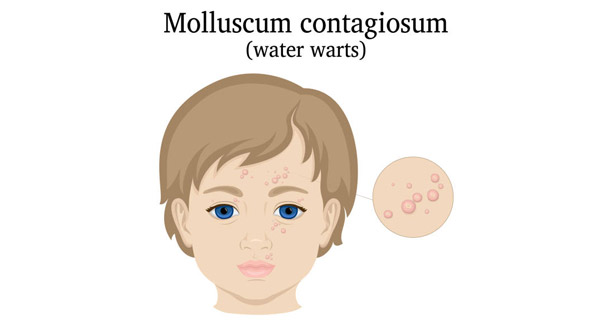
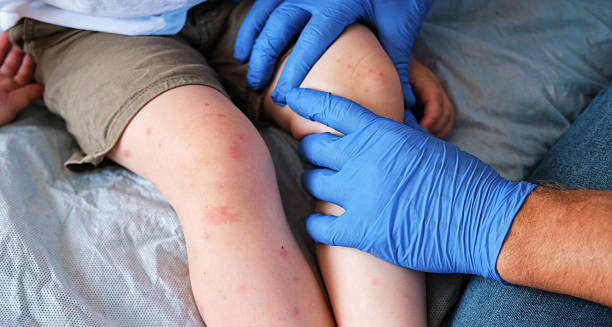
Overview of Molluscum Contagiosum Molluscum contagiosum is a common viral skin infection caused by a poxvirus known as the molluscum contagiosum virus (MCV). This condition often affects children but can also appear in adults, especially those with weakened immune systems or those who are sexually active. The infection causes small, raised, pearly bumps on the skin. These bumps usually have a central dimple or indentation. The virus spreads through direct skin-to-skin contact. It can also spread by sharing personal items such as towels, clothing, or gym equipment. Although molluscum contagiosum is contagious, it rarely causes serious health problems. Lesions may take weeks or months to appear after exposure, and the infection can last several months or more if not treated. In many cases, the condition clears up on its own. However, some people feel embarrassed or distressed by the appearance of the bumps, especially when they occur on the face, neck, or in the genital area. People with weak immune systems may get more lesions that last longer and may need medical treatment. The Overview of Molluscum Contagiosum highlights the need for accurate diagnosis. The bumps can look like warts, acne, or other skin problems, which makes it easy to misidentify. A proper medical exam helps avoid confusion and prevents spreading the virus further. Scratching or rubbing the bumps can irritate the skin and lead to infection or scarring. Understanding how the virus spreads and knowing how to manage it is important for both patients and healthcare providers. Good hygiene and early identification play a big role in stopping the spread. These steps also help people make the best choices about treatment and care. [Next: Causes of Molluscum Contagiosum →]

Molluscum Contagiosum Read More »

Causes of Molluscum Contagiosum

Causes of Molluscum Contagiosum

Causes of Molluscum Contagiosum Molluscum contagiosum is caused by the molluscum contagiosum virus (MCV), a member of the poxvirus family. The virus spreads mainly through direct contact with infected skin. It also spreads by touching objects or surfaces that carry the virus. After contact, the virus enters the top layer of the skin and starts forming small, raised bumps. How the Virus Spreads The Causes of Molluscum Contagiosum include several everyday situations. Close physical contact is one of the main ways it spreads. Children may catch it from each other during play. Adults may get it during sexual contact if lesions are present in private areas. Sharing personal items also spreads the virus. These include towels, razors, clothes, or gym gear. Though less common, surfaces in public places like swimming pools, saunas, or locker rooms may carry the virus too. Scratching the bumps often spreads the virus to nearby skin. This self-spread is called autoinoculation. It’s why people often see new bumps appear even after the first ones start healing. Who Is Most at Risk Children get infected more often than adults. This is mostly due to their close contact with others and their still-developing immune systems. Among adults, the Causes of Molluscum Contagiosum often involve skin-to-skin contact during sex. When the virus spreads this way, it usually appears in the genital area, inner thighs, or lower belly. People with weak immune systems face more risk. This includes those with HIV or cancer, or people taking immune-suppressing medicine. In these groups, the infection may last longer and be harder to treat. Skin Health and Risk of Infection The virus stays only in the skin. It doesn’t spread inside the body. Still, if someone has skin damage—like cuts, rashes, or eczema—they’re more likely to get infected. People with atopic dermatitis often get more lesions. Their skin barrier doesn’t work as well, so the virus enters more easily. Good skin care helps prevent the Causes of Molluscum Contagiosum from taking hold. Keeping the skin clean, avoiding scratching, and covering open sores can all lower the chance of infection. In all cases, avoiding close contact and not sharing personal items can help stop the spread. Taking these simple steps protects both the person and those around them. [Next: Symptoms of Molluscum Contagiosum →]

Causes of Molluscum Contagiosum Read More »

Symptoms of Molluscum Contagiosum

Symptoms of Molluscum Contagiosum

Symptoms of Molluscum Contagiosum The hallmark symptoms of molluscum contagiosum are small, flesh-coloured or pink, dome-shaped bumps with a central dimple. These bumps usually don’t hurt. Still, they may get red, swollen, or itchy—especially if someone scratches or rubs them. This irritation can make them look worse or feel sore. Each bump is usually about 2 to 5 millimetres wide. In some people, they grow bigger. The bumps often appear in groups. They can show up almost anywhere on the body. Most often, they appear on the face, neck, underarms, arms, hands, torso, and private areas. In adults, the Symptoms of Molluscum Contagiosum often show in the lower belly, inner thighs, and genitals. This happens because the virus spreads through sexual contact in many adult cases. How the Symptoms Vary by Health Status People with weak immune systems may have more bumps. Their bumps can also grow larger and spread across the body. These include people with conditions like HIV or those on treatments that lower immunity. Sometimes, bacteria infect the bumps. This can cause pain, swelling, and pus. If not treated, this may lead to scars or worse skin damage. It is very important to get help if this happens. The Symptoms of Molluscum Contagiosum do not show up right away. The time between infection and the first bump (called the incubation period) can be anywhere from two weeks to six months. Because of this delay, new bumps may show up while old ones are still healing. It’s common to see both fresh and fading bumps on the same person at the same time. Emotional Effects and Daily Impact Most children do not feel bothered by the bumps unless they itch or become sore. But because the bumps are easy to see, children may feel shy or upset. This is especially true in schools or when playing with others. Adults often feel even more stressed if the bumps are in the genital area. These Symptoms of Molluscum Contagiosum can cause worry about sexual health or lead to relationship stress. To stop the infection from spreading, it’s very important not to scratch or pick the bumps. Scratching spreads the virus to new spots and slows healing. Parents should help children avoid touching the lesions. Good skin hygiene is key. People should wash their hands often, keep the area clean, and cover any bumps when needed. If the symptoms get worse, or if the bumps hurt or ooze, it’s best to talk to a doctor. [Next: Diagnosis of Molluscum Contagiosum →]

Symptoms of Molluscum Contagiosum Read More »

Diagnosis of Molluscum Contagiosum

Diagnosis of Molluscum Contagiosum

Diagnosis of Molluscum Contagiosum Diagnosis of Molluscum Contagiosum primarily relies on clinical observation and physical examination. Doctors usually spot this viral skin condition by its distinct look. Most of the time, they do not need lab tests. But in some cases—when the lesions look unusual or when the patient’s immune system is weak—a fuller approach to the Diagnosis of Molluscum Contagiosum becomes necessary to tell it apart from other skin conditions. Medical History Assessment The diagnosis begins with a detailed talk about the patient’s medical history. During the consultation, the healthcare provider asks about when symptoms began, how long they have lasted, any skin changes, and if there was contact with infected people. In adults, the doctor also asks about sexual activity. They check for any conditions that weaken immunity (like HIV or use of immune‑suppressing drugs). This information helps guide the rest of the exam. Clinical Examination Visual inspection is the main tool for the Diagnosis of Molluscum Contagiosum. The clinician looks closely at the affected areas. They search for classic signs: small, round, dome‑shaped bumps that may appear flesh‑coloured, pink, or white, with a central dimple. These spots usually measure 2–5 mm across, though in immunocompromised patients they can be bigger. In children, lesions often appear on the trunk, limbs, or face. In sexually active adults, they tend to occur on the lower belly, inner thighs, or genital parts. Some people have only a few bumps; others have clusters covering wide areas. Dermatoscopy (using a magnifying tool) can help. Under it, Molluscum lesions often show a central pore and white or yellowish amorphous zones, surrounded by fine blood vessels. This supports the clinical diagnosis. When Further Testing Is Needed Typical cases don’t need lab work. But if the disease looks unusual or the patient is high‑risk, doctors may order more tests to be safe. In immunocompromised patients, lesions might be bigger, spread out, or resist usual treatments. In such cases, physicians may perform a skin biopsy. The doctor removes a small sample of skin under local anaesthetic and examines it under a microscope. Histology often reveals characteristic inclusion bodies (Henderson–Patterson bodies) in skin cells. These intracytoplasmic inclusions are strong indicators of Molluscum contagiosum virus (MCV). Finding them helps confirm the disease and rule out other skin problems like basal cell carcinoma, keratoacanthoma, or fungal infections. Differential Diagnosis Diagnosis can be tricky because other conditions mimic Molluscum. Distinguishing them ensures correct treatment. Some lookalikes include: In doubtful cases, a biopsy or PCR (polymerase chain reaction) test may be done. PCR can detect viral DNA and confirm MCV presence. Role of STI Screening in Adults When Diagnosis of Molluscum Contagiosum involves genital lesions in adults, doctors may suggest screening for other sexually transmitted infections (STIs). These include HIV, syphilis, gonorrhoea, and chlamydia. Co‑infection may change management and highlight public health needs. Paediatric Considerations Children rarely require lab testing. The unique look of the lesions often makes diagnosis straightforward. Still, clinicians must watch for signs of superinfection—redness, swelling, or discharge—which may require bacterial cultures or further tests. If lesions appear in unusual spots (for example, near the eyes), referral to a dermatologist or pediatric infectious disease specialist may be needed to ensure correct diagnosis and care. Diagnosis in Immunocompromised Patients In people with weakened immunity, Diagnosis of Molluscum Contagiosum becomes more complex. Spots may be many, larger, or atypical. Visual diagnosis alone may not suffice. In those cases, doctors often combine clinical observation with histopathological exams, viral tests, or even electron microscopy to distinguish Molluscum from more serious skin diseases or opportunistic infections. Diagnosing the underlying immune weakness is crucial for successful treatment. Psychological and Social Factors in Diagnosis Although psychology and social issues don’t affect the clinical diagnosis, they matter. Lesions on visible areas (face, neck, genital parts) may cause embarrassment, anxiety, or social withdrawal—especially in teens and adults. Doctors should be sensitive to these effects during diagnosis and reassure patients about the benign nature of the condition. Summary In short, the Diagnosis of Molluscum Contagiosum is mostly clinical. Doctors rely on the lesion’s appearance and patient history. Lab tests are rarely needed. But when lesions are unusual, patient immunity is low, or treatment fails, further workup—like biopsy or PCR—is warranted. Accurate differential diagnosis prevents wrong treatment. In adults with genital lesions, STI screening may be important. A careful diagnosis leads to the right treatment, fewer complications, and less emotional stress. [Next: Treatment of Molluscum Contagiosum →]

Diagnosis of Molluscum Contagiosum Read More »

Treatment of Molluscum Contagiosum

Treatment of Molluscum Contagiosum

Treatment of Molluscum Contagiosum Treatment of Molluscum Contagiosum is not always necessary, especially in healthy individuals with mild symptoms. In many cases, the virus clears on its own. Still, treatment becomes important when lesions cause discomfort, look bad, spread, or occur in someone with weak immunity. The goals of the treatment of Molluscum Contagiosum include relieving symptoms, stopping spread, shortening the illness, and avoiding complications like infections or scarring. While the infection resolves by itself many times, we must treat when lesions are numerous, persist, lie in sensitive regions, or lead to distress. In adults with genital lesions, treatment also helps reduce the chance of passing the virus sexually. Watchful Waiting and Natural Resolution For many children and otherwise healthy people, doctors may suggest a wait‑and‑see approach. On average, lesions go away in six to twelve months. In rare cases, they may remain for up to four years. Usually, scars do not form—unless someone scratches or causes secondary infection. Meanwhile, maintain good hygiene, avoid skin contact, and don’t shave over the lesions to reduce spread. Parents should discourage scratching and cover lesions with clothing or waterproof plasters during swimming or other activities. Topical Treatments Topical treatments remain one of the most common ways to treat Molluscum Contagiosum. These medicines either kill infected skin cells or help the body’s defenses work better. CantharidinHealthcare providers apply cantharidin, which causes a mild blister so the body sheds the infected spot. The application is painless, but later it may cause redness, blistering, or irritation. It’s not safe for use near the eyes or on mucous membranes, and is generally not for home use. ImiquimodImiquimod stimulates the body’s immune system to fight the virus. However, results are mixed. It can cause redness, irritation, and discomfort. Doctors often reserve it for older children or adults with many or stubborn lesions. Tretinoin and PodophyllotoxinThese are sometimes used off‑label. They can irritate the skin but might speed clearance when used steadily over a few weeks. Salicylic AcidProducts used for wart removal (salicylic acid) may help by peeling off infected layers of skin. But because of irritation risks, they are used carefully—especially in children. Physical Removal Techniques If topical treatments fail or aren’t suitable, doctors may use physical procedures. These usually act faster but may hurt and risk scarring or color change. CurettageThe doctor scrapes the lesion with a sterile tool under local anaesthetic. This method works well but can hurt and is harder for young kids. It’s often used in older patients or for isolated spots. CryotherapyFreezing with liquid nitrogen destroys infected tissue. It acts quickly but may require repeat sessions and cause blistering or temporary skin discoloration. It is not usually recommended for children under 12 or on delicate skin. Laser TherapyLasers (such as pulsed-dye or CO₂) can target and remove lesions, especially in patients whose immune systems are weak or lesions are widespread. This method is costly and used for persistent cases. Oral and Systemic Therapies Oral medicines are rarely needed but may help in special cases. For instance, cimetidine (a stomach medicine) has shown some immune‑boosting effect in children. But evidence is inconsistent, and its use is debated. In patients with HIV or other forms of immunosuppression, improving immune function (for example with antiretroviral therapy) may help clear lesions. In some cases, widespread lesions shrink as the immune system recovers. Alternative and Natural Remedies Some people try natural or over‑the‑counter remedies for Molluscum. Examples include tea tree oil, apple cider vinegar, or iodine products. But scientific support is weak. Also, these may irritate the skin. They are not recommended as primary treatments. Always consult a healthcare provider before using home remedies. You want to avoid making things worse or delaying better care. Preventing Transmission During Treatment No matter which treatment someone uses, stopping spread remains essential. Patients should: Teaching patients (especially children and guardians) about these precautions greatly lowers the risk of spread during healing. Considerations for Immunocompromised Patients People with weak immune systems often have more severe and longer-lasting Molluscum. In these cases, treating Molluscum Contagiosum becomes harder. Doctors may combine topical and systemic therapies, and use repeated physical techniques. Starting or optimizing therapy for the underlying condition (like HIV) may help shrink lesions. Dermatologists closely monitor these patients, because they face higher risks of infection, treatment failure, and emotional stress from the visible lesions. Psychological Support and Patient Education Although Molluscum is usually mild and painless, it can cause embarrassment, social anxiety, or stress—especially if lesions appear on the face, neck, or genital area. Children may face teasing or bullying. Doctors should reassure patients and families: the condition is harmless, it usually goes away, and treatments exist. Giving education helps reduce fear and encourages following treatment and hygiene rules. Summary The treatment of Molluscum Contagiosum depends on the patient’s age, immune health, number and place of lesions, and personal choice. Many cases resolve on their own. But topical medicines, removal techniques, and systemic options give useful choices when needed. Prevention and education stay core parts of good care, ensuring healing and peace of mind. [Next: Prevention of Molluscum Contagiosum →]

Treatment of Molluscum Contagiosum Read More »

Prevention of Molluscum Contagiosum

Prevention of Molluscum Contagiosum

Prevention of Molluscum Contagiosum Prevention of Molluscum Contagiosum focuses on interrupting the spread of this common viral skin infection, which is caused by a poxvirus and transmitted through direct skin contact or contaminated objects. Although this virus is usually mild and clears on its own, it spreads very easily. It passes quickly among children, family members, partners, and people with weak immune systems. That’s why good hygiene, awareness, and protective habits are key in the prevention of Molluscum Contagiosum and stopping it from coming back. Understanding how the virus spreads is important when planning ways to stop it. Since the spots hold the virus and stay contagious until they go away, it helps to avoid contact with infected skin. Not sharing items also lowers the risk. Teaching people what to look out for and acting early can reduce outbreaks in places like schools, sports teams, or shared homes. Avoiding Direct Skin-to-Skin Contact The virus spreads most often through touching the skin of someone who has it. Young children in daycares or schools can pass it during play. Adults might get it through sex or from shared living spaces. Here are some helpful tips: If someone in the house is infected, it’s smart to limit close contact until the spots are gone or covered properly. Proper Hygiene Practices in the Prevention of Molluscum Contagiosum Keeping clean is one of the easiest and best ways to stop the virus. Washing hands and having good personal habits protect both the person who is sick and everyone around them. Key hygiene tips: Parents and caregivers should also wash hands after helping kids apply creams or cover the spots. Covering Active Lesions Covering the spots is a smart way to avoid spreading the virus—especially in public places like schools, daycares, or parks. Here’s how to do it: Teachers and caregivers should be told in private if a child is infected. This allows safe steps to be taken without causing embarrassment. Avoiding Shared Environments When Infected Some activities involve a lot of touching—like contact sports, martial arts, or swimming. In these cases, a child or adult with visible and uncovered spots should stay out for a while. Swimming pools are risky since many people share water and equipment. To stay safe: If group activities must continue, extra care should be taken. Everyone involved should understand the importance of hygiene and space. Avoiding Shaving Over Infected Skin Shaving on or near the infected area spreads the virus to healthy skin. This often causes a cluster of new spots to form. To stop that from happening: This advice is especially important for men with facial spots or women with spots on the underarms or bikini line. Safe Sexual Practices In adults, the virus may pass through intimate contact. This is more likely when the spots are in the genital area. To lower the risk: Doctors may also suggest STI tests, since this virus often appears with other infections. Supporting the Immune System to Help Prevention of Molluscum Contagiosum A strong immune system helps the body fight the virus and stop it from coming back. There’s no vaccine or full immunity, but good health can speed up healing. To build a strong immune system: People with weaker immune systems—such as those with HIV or cancer—should be watched closely. Their care plans should be adjusted to prevent wide spread of the virus. Educating Parents, Schools, and Communities Spreading awareness helps stop both the virus and the stigma around it. Many parents don’t even know it’s contagious until an outbreak happens. Helpful education tips: Doctors or school nurses can provide written tips to help remind families what to do without causing fear. Environmental Disinfection and Laundry Even though this virus doesn’t live long on surfaces, keeping shared spaces clean helps reduce the risk. Here’s what you can do: At home, let infected kids have their own laundry pile, and wash hands after handling it. Limiting Overcrowded or Poorly Ventilated Areas The virus doesn’t travel in the air, but crowded places make skin contact more likely. Places like locker rooms, child care centers, or dorms can increase spread. To reduce risk: Fresh air and less crowding help lower the chances of indirect spread. Conclusion: Prevention of Molluscum Contagiosum The Prevention of Molluscum Contagiosum needs a mix of smart habits. These include clean hygiene, no skin contact, proper care of spots, and keeping shared spaces clean. Teaching others—especially in schools and sports—also plays a big role. Even though this skin infection isn’t dangerous, it can last a long time and cause stress—especially in kids. Preventing it protects both the person and everyone around them. With the right steps, families and communities can control and stop the spread of this fast-moving virus. [Next: Prognosis of Molluscum Contagiosum →]

Prevention of Molluscum Contagiosum Read More »

Scroll to Top