Mental Matters

Molluscum Contagiosum

Overview of Molluscum Contagiosum

Molluscum Contagiosum

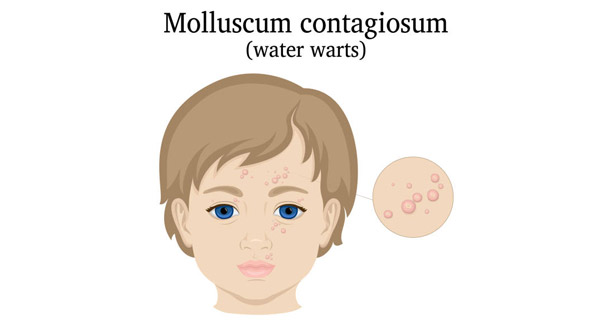
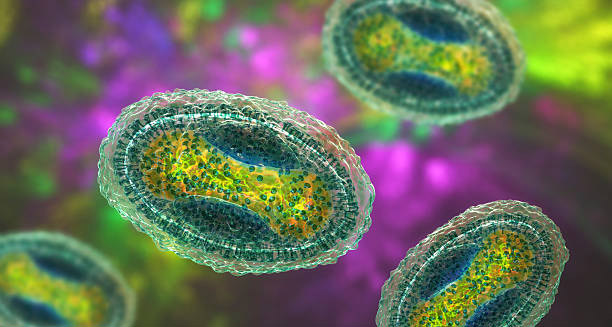
Overview of Molluscum Contagiosum Molluscum contagiosum is a common viral skin infection caused by a poxvirus known as the molluscum contagiosum virus (MCV). This condition often affects children but can also appear in adults, especially those with weakened immune systems or those who are sexually active. The infection causes small, raised, pearly bumps on the skin. These bumps usually have a central dimple or indentation. The virus spreads through direct skin-to-skin contact. It can also spread by sharing personal items such as towels, clothing, or gym equipment. Although molluscum contagiosum is contagious, it rarely causes serious health problems. Lesions may take weeks or months to appear after exposure, and the infection can last several months or more if not treated. In many cases, the condition clears up on its own. However, some people feel embarrassed or distressed by the appearance of the bumps, especially when they occur on the face, neck, or in the genital area. People with weak immune systems may get more lesions that last longer and may need medical treatment. The Overview of Molluscum Contagiosum highlights the need for accurate diagnosis. The bumps can look like warts, acne, or other skin problems, which makes it easy to misidentify. A proper medical exam helps avoid confusion and prevents spreading the virus further. Scratching or rubbing the bumps can irritate the skin and lead to infection or scarring. Understanding how the virus spreads and knowing how to manage it is important for both patients and healthcare providers. Good hygiene and early identification play a big role in stopping the spread. These steps also help people make the best choices about treatment and care. [Next: Causes of Molluscum Contagiosum →]

Molluscum Contagiosum Read More »

Causes of Molluscum Contagiosum

Causes of Molluscum Contagiosum

Causes of Molluscum Contagiosum Molluscum contagiosum is caused by the molluscum contagiosum virus (MCV), a member of the poxvirus family. The virus spreads mainly through direct contact with infected skin. It also spreads by touching objects or surfaces that carry the virus. After contact, the virus enters the top layer of the skin and starts forming small, raised bumps. How the Virus Spreads The Causes of Molluscum Contagiosum include several everyday situations. Close physical contact is one of the main ways it spreads. Children may catch it from each other during play. Adults may get it during sexual contact if lesions are present in private areas. Sharing personal items also spreads the virus. These include towels, razors, clothes, or gym gear. Though less common, surfaces in public places like swimming pools, saunas, or locker rooms may carry the virus too. Scratching the bumps often spreads the virus to nearby skin. This self-spread is called autoinoculation. It’s why people often see new bumps appear even after the first ones start healing. Who Is Most at Risk Children get infected more often than adults. This is mostly due to their close contact with others and their still-developing immune systems. Among adults, the Causes of Molluscum Contagiosum often involve skin-to-skin contact during sex. When the virus spreads this way, it usually appears in the genital area, inner thighs, or lower belly. People with weak immune systems face more risk. This includes those with HIV or cancer, or people taking immune-suppressing medicine. In these groups, the infection may last longer and be harder to treat. Skin Health and Risk of Infection The virus stays only in the skin. It doesn’t spread inside the body. Still, if someone has skin damage—like cuts, rashes, or eczema—they’re more likely to get infected. People with atopic dermatitis often get more lesions. Their skin barrier doesn’t work as well, so the virus enters more easily. Good skin care helps prevent the Causes of Molluscum Contagiosum from taking hold. Keeping the skin clean, avoiding scratching, and covering open sores can all lower the chance of infection. In all cases, avoiding close contact and not sharing personal items can help stop the spread. Taking these simple steps protects both the person and those around them. [Next: Symptoms of Molluscum Contagiosum →]

Causes of Molluscum Contagiosum Read More »

Symptoms of Molluscum Contagiosum

Symptoms of Molluscum Contagiosum

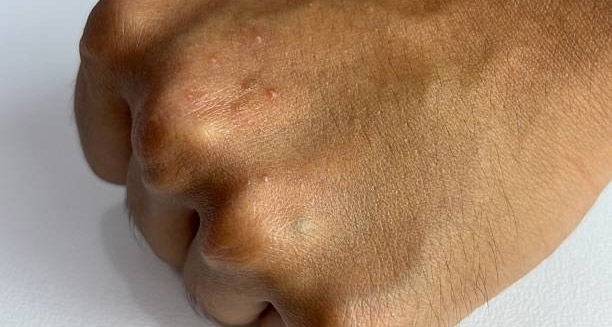
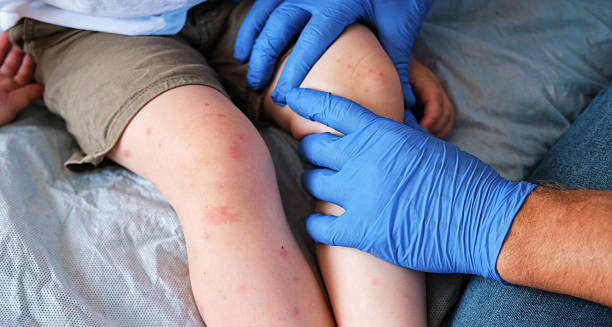
Symptoms of Molluscum Contagiosum The hallmark symptoms of molluscum contagiosum are small, flesh-coloured or pink, dome-shaped bumps with a central dimple. These bumps usually don’t hurt. Still, they may get red, swollen, or itchy—especially if someone scratches or rubs them. This irritation can make them look worse or feel sore. Each bump is usually about 2 to 5 millimetres wide. In some people, they grow bigger. The bumps often appear in groups. They can show up almost anywhere on the body. Most often, they appear on the face, neck, underarms, arms, hands, torso, and private areas. In adults, the Symptoms of Molluscum Contagiosum often show in the lower belly, inner thighs, and genitals. This happens because the virus spreads through sexual contact in many adult cases. How the Symptoms Vary by Health Status People with weak immune systems may have more bumps. Their bumps can also grow larger and spread across the body. These include people with conditions like HIV or those on treatments that lower immunity. Sometimes, bacteria infect the bumps. This can cause pain, swelling, and pus. If not treated, this may lead to scars or worse skin damage. It is very important to get help if this happens. The Symptoms of Molluscum Contagiosum do not show up right away. The time between infection and the first bump (called the incubation period) can be anywhere from two weeks to six months. Because of this delay, new bumps may show up while old ones are still healing. It’s common to see both fresh and fading bumps on the same person at the same time. Emotional Effects and Daily Impact Most children do not feel bothered by the bumps unless they itch or become sore. But because the bumps are easy to see, children may feel shy or upset. This is especially true in schools or when playing with others. Adults often feel even more stressed if the bumps are in the genital area. These Symptoms of Molluscum Contagiosum can cause worry about sexual health or lead to relationship stress. To stop the infection from spreading, it’s very important not to scratch or pick the bumps. Scratching spreads the virus to new spots and slows healing. Parents should help children avoid touching the lesions. Good skin hygiene is key. People should wash their hands often, keep the area clean, and cover any bumps when needed. If the symptoms get worse, or if the bumps hurt or ooze, it’s best to talk to a doctor. [Next: Diagnosis of Molluscum Contagiosum →]

Symptoms of Molluscum Contagiosum Read More »

Diagnosis of Molluscum Contagiosum

Diagnosis of Molluscum Contagiosum

Diagnosis of Molluscum Contagiosum Diagnosis of Molluscum Contagiosum primarily relies on clinical observation and physical examination. Doctors usually spot this viral skin condition by its distinct look. Most of the time, they do not need lab tests. But in some cases—when the lesions look unusual or when the patient’s immune system is weak—a fuller approach to the Diagnosis of Molluscum Contagiosum becomes necessary to tell it apart from other skin conditions. Medical History Assessment The diagnosis begins with a detailed talk about the patient’s medical history. During the consultation, the healthcare provider asks about when symptoms began, how long they have lasted, any skin changes, and if there was contact with infected people. In adults, the doctor also asks about sexual activity. They check for any conditions that weaken immunity (like HIV or use of immune‑suppressing drugs). This information helps guide the rest of the exam. Clinical Examination Visual inspection is the main tool for the Diagnosis of Molluscum Contagiosum. The clinician looks closely at the affected areas. They search for classic signs: small, round, dome‑shaped bumps that may appear flesh‑coloured, pink, or white, with a central dimple. These spots usually measure 2–5 mm across, though in immunocompromised patients they can be bigger. In children, lesions often appear on the trunk, limbs, or face. In sexually active adults, they tend to occur on the lower belly, inner thighs, or genital parts. Some people have only a few bumps; others have clusters covering wide areas. Dermatoscopy (using a magnifying tool) can help. Under it, Molluscum lesions often show a central pore and white or yellowish amorphous zones, surrounded by fine blood vessels. This supports the clinical diagnosis. When Further Testing Is Needed Typical cases don’t need lab work. But if the disease looks unusual or the patient is high‑risk, doctors may order more tests to be safe. In immunocompromised patients, lesions might be bigger, spread out, or resist usual treatments. In such cases, physicians may perform a skin biopsy. The doctor removes a small sample of skin under local anaesthetic and examines it under a microscope. Histology often reveals characteristic inclusion bodies (Henderson–Patterson bodies) in skin cells. These intracytoplasmic inclusions are strong indicators of Molluscum contagiosum virus (MCV). Finding them helps confirm the disease and rule out other skin problems like basal cell carcinoma, keratoacanthoma, or fungal infections. Differential Diagnosis Diagnosis can be tricky because other conditions mimic Molluscum. Distinguishing them ensures correct treatment. Some lookalikes include: In doubtful cases, a biopsy or PCR (polymerase chain reaction) test may be done. PCR can detect viral DNA and confirm MCV presence. Role of STI Screening in Adults When Diagnosis of Molluscum Contagiosum involves genital lesions in adults, doctors may suggest screening for other sexually transmitted infections (STIs). These include HIV, syphilis, gonorrhoea, and chlamydia. Co‑infection may change management and highlight public health needs. Paediatric Considerations Children rarely require lab testing. The unique look of the lesions often makes diagnosis straightforward. Still, clinicians must watch for signs of superinfection—redness, swelling, or discharge—which may require bacterial cultures or further tests. If lesions appear in unusual spots (for example, near the eyes), referral to a dermatologist or pediatric infectious disease specialist may be needed to ensure correct diagnosis and care. Diagnosis in Immunocompromised Patients In people with weakened immunity, Diagnosis of Molluscum Contagiosum becomes more complex. Spots may be many, larger, or atypical. Visual diagnosis alone may not suffice. In those cases, doctors often combine clinical observation with histopathological exams, viral tests, or even electron microscopy to distinguish Molluscum from more serious skin diseases or opportunistic infections. Diagnosing the underlying immune weakness is crucial for successful treatment. Psychological and Social Factors in Diagnosis Although psychology and social issues don’t affect the clinical diagnosis, they matter. Lesions on visible areas (face, neck, genital parts) may cause embarrassment, anxiety, or social withdrawal—especially in teens and adults. Doctors should be sensitive to these effects during diagnosis and reassure patients about the benign nature of the condition. Summary In short, the Diagnosis of Molluscum Contagiosum is mostly clinical. Doctors rely on the lesion’s appearance and patient history. Lab tests are rarely needed. But when lesions are unusual, patient immunity is low, or treatment fails, further workup—like biopsy or PCR—is warranted. Accurate differential diagnosis prevents wrong treatment. In adults with genital lesions, STI screening may be important. A careful diagnosis leads to the right treatment, fewer complications, and less emotional stress. [Next: Treatment of Molluscum Contagiosum →]

Diagnosis of Molluscum Contagiosum Read More »

Treatment of Molluscum Contagiosum

Treatment of Molluscum Contagiosum

Treatment of Molluscum Contagiosum Treatment of Molluscum Contagiosum is not always necessary, especially in healthy individuals with mild symptoms. In many cases, the virus clears on its own. Still, treatment becomes important when lesions cause discomfort, look bad, spread, or occur in someone with weak immunity. The goals of the treatment of Molluscum Contagiosum include relieving symptoms, stopping spread, shortening the illness, and avoiding complications like infections or scarring. While the infection resolves by itself many times, we must treat when lesions are numerous, persist, lie in sensitive regions, or lead to distress. In adults with genital lesions, treatment also helps reduce the chance of passing the virus sexually. Watchful Waiting and Natural Resolution For many children and otherwise healthy people, doctors may suggest a wait‑and‑see approach. On average, lesions go away in six to twelve months. In rare cases, they may remain for up to four years. Usually, scars do not form—unless someone scratches or causes secondary infection. Meanwhile, maintain good hygiene, avoid skin contact, and don’t shave over the lesions to reduce spread. Parents should discourage scratching and cover lesions with clothing or waterproof plasters during swimming or other activities. Topical Treatments Topical treatments remain one of the most common ways to treat Molluscum Contagiosum. These medicines either kill infected skin cells or help the body’s defenses work better. CantharidinHealthcare providers apply cantharidin, which causes a mild blister so the body sheds the infected spot. The application is painless, but later it may cause redness, blistering, or irritation. It’s not safe for use near the eyes or on mucous membranes, and is generally not for home use. ImiquimodImiquimod stimulates the body’s immune system to fight the virus. However, results are mixed. It can cause redness, irritation, and discomfort. Doctors often reserve it for older children or adults with many or stubborn lesions. Tretinoin and PodophyllotoxinThese are sometimes used off‑label. They can irritate the skin but might speed clearance when used steadily over a few weeks. Salicylic AcidProducts used for wart removal (salicylic acid) may help by peeling off infected layers of skin. But because of irritation risks, they are used carefully—especially in children. Physical Removal Techniques If topical treatments fail or aren’t suitable, doctors may use physical procedures. These usually act faster but may hurt and risk scarring or color change. CurettageThe doctor scrapes the lesion with a sterile tool under local anaesthetic. This method works well but can hurt and is harder for young kids. It’s often used in older patients or for isolated spots. CryotherapyFreezing with liquid nitrogen destroys infected tissue. It acts quickly but may require repeat sessions and cause blistering or temporary skin discoloration. It is not usually recommended for children under 12 or on delicate skin. Laser TherapyLasers (such as pulsed-dye or CO₂) can target and remove lesions, especially in patients whose immune systems are weak or lesions are widespread. This method is costly and used for persistent cases. Oral and Systemic Therapies Oral medicines are rarely needed but may help in special cases. For instance, cimetidine (a stomach medicine) has shown some immune‑boosting effect in children. But evidence is inconsistent, and its use is debated. In patients with HIV or other forms of immunosuppression, improving immune function (for example with antiretroviral therapy) may help clear lesions. In some cases, widespread lesions shrink as the immune system recovers. Alternative and Natural Remedies Some people try natural or over‑the‑counter remedies for Molluscum. Examples include tea tree oil, apple cider vinegar, or iodine products. But scientific support is weak. Also, these may irritate the skin. They are not recommended as primary treatments. Always consult a healthcare provider before using home remedies. You want to avoid making things worse or delaying better care. Preventing Transmission During Treatment No matter which treatment someone uses, stopping spread remains essential. Patients should: Teaching patients (especially children and guardians) about these precautions greatly lowers the risk of spread during healing. Considerations for Immunocompromised Patients People with weak immune systems often have more severe and longer-lasting Molluscum. In these cases, treating Molluscum Contagiosum becomes harder. Doctors may combine topical and systemic therapies, and use repeated physical techniques. Starting or optimizing therapy for the underlying condition (like HIV) may help shrink lesions. Dermatologists closely monitor these patients, because they face higher risks of infection, treatment failure, and emotional stress from the visible lesions. Psychological Support and Patient Education Although Molluscum is usually mild and painless, it can cause embarrassment, social anxiety, or stress—especially if lesions appear on the face, neck, or genital area. Children may face teasing or bullying. Doctors should reassure patients and families: the condition is harmless, it usually goes away, and treatments exist. Giving education helps reduce fear and encourages following treatment and hygiene rules. Summary The treatment of Molluscum Contagiosum depends on the patient’s age, immune health, number and place of lesions, and personal choice. Many cases resolve on their own. But topical medicines, removal techniques, and systemic options give useful choices when needed. Prevention and education stay core parts of good care, ensuring healing and peace of mind. [Next: Prevention of Molluscum Contagiosum →]

Treatment of Molluscum Contagiosum Read More »

Prevention of Molluscum Contagiosum

Prevention of Molluscum Contagiosum

Prevention of Molluscum Contagiosum Prevention of Molluscum Contagiosum focuses on interrupting the spread of this common viral skin infection, which is caused by a poxvirus and transmitted through direct skin contact or contaminated objects. Although this virus is usually mild and clears on its own, it spreads very easily. It passes quickly among children, family members, partners, and people with weak immune systems. That’s why good hygiene, awareness, and protective habits are key in the prevention of Molluscum Contagiosum and stopping it from coming back. Understanding how the virus spreads is important when planning ways to stop it. Since the spots hold the virus and stay contagious until they go away, it helps to avoid contact with infected skin. Not sharing items also lowers the risk. Teaching people what to look out for and acting early can reduce outbreaks in places like schools, sports teams, or shared homes. Avoiding Direct Skin-to-Skin Contact The virus spreads most often through touching the skin of someone who has it. Young children in daycares or schools can pass it during play. Adults might get it through sex or from shared living spaces. Here are some helpful tips: If someone in the house is infected, it’s smart to limit close contact until the spots are gone or covered properly. Proper Hygiene Practices in the Prevention of Molluscum Contagiosum Keeping clean is one of the easiest and best ways to stop the virus. Washing hands and having good personal habits protect both the person who is sick and everyone around them. Key hygiene tips: Parents and caregivers should also wash hands after helping kids apply creams or cover the spots. Covering Active Lesions Covering the spots is a smart way to avoid spreading the virus—especially in public places like schools, daycares, or parks. Here’s how to do it: Teachers and caregivers should be told in private if a child is infected. This allows safe steps to be taken without causing embarrassment. Avoiding Shared Environments When Infected Some activities involve a lot of touching—like contact sports, martial arts, or swimming. In these cases, a child or adult with visible and uncovered spots should stay out for a while. Swimming pools are risky since many people share water and equipment. To stay safe: If group activities must continue, extra care should be taken. Everyone involved should understand the importance of hygiene and space. Avoiding Shaving Over Infected Skin Shaving on or near the infected area spreads the virus to healthy skin. This often causes a cluster of new spots to form. To stop that from happening: This advice is especially important for men with facial spots or women with spots on the underarms or bikini line. Safe Sexual Practices In adults, the virus may pass through intimate contact. This is more likely when the spots are in the genital area. To lower the risk: Doctors may also suggest STI tests, since this virus often appears with other infections. Supporting the Immune System to Help Prevention of Molluscum Contagiosum A strong immune system helps the body fight the virus and stop it from coming back. There’s no vaccine or full immunity, but good health can speed up healing. To build a strong immune system: People with weaker immune systems—such as those with HIV or cancer—should be watched closely. Their care plans should be adjusted to prevent wide spread of the virus. Educating Parents, Schools, and Communities Spreading awareness helps stop both the virus and the stigma around it. Many parents don’t even know it’s contagious until an outbreak happens. Helpful education tips: Doctors or school nurses can provide written tips to help remind families what to do without causing fear. Environmental Disinfection and Laundry Even though this virus doesn’t live long on surfaces, keeping shared spaces clean helps reduce the risk. Here’s what you can do: At home, let infected kids have their own laundry pile, and wash hands after handling it. Limiting Overcrowded or Poorly Ventilated Areas The virus doesn’t travel in the air, but crowded places make skin contact more likely. Places like locker rooms, child care centers, or dorms can increase spread. To reduce risk: Fresh air and less crowding help lower the chances of indirect spread. Conclusion: Prevention of Molluscum Contagiosum The Prevention of Molluscum Contagiosum needs a mix of smart habits. These include clean hygiene, no skin contact, proper care of spots, and keeping shared spaces clean. Teaching others—especially in schools and sports—also plays a big role. Even though this skin infection isn’t dangerous, it can last a long time and cause stress—especially in kids. Preventing it protects both the person and everyone around them. With the right steps, families and communities can control and stop the spread of this fast-moving virus. [Next: Prognosis of Molluscum Contagiosum →]

Prevention of Molluscum Contagiosum Read More »

Prognosis of Molluscum Contagiosum

Prognosis of Molluscum Contagiosum

Prognosis of Molluscum Contagiosum The prognosis of Molluscum Contagiosum is generally excellent, particularly in healthy individuals with fully functioning immune systems. Most cases get better on their own, and people usually don’t need medical help. The virus clears by itself over time. But how long it lasts depends on several things. These include the person’s immune health, how many spots they have, where the virus appears, and if there are any infections on top of it. Even though this skin problem isn’t harmful, it can last for months or even years. Most of the time, the virus stays on the surface of the skin and doesn’t cause lasting damage. Still, because it spreads easily and can affect appearance, many people want to know how long it will last and if treatment is needed. Natural Course of the Infection In people with strong immune systems, the virus usually goes away without treatment within 6 to 18 months. Sometimes, it clears in just a few weeks. But in other cases, it can last more than two years. As the body fights the virus, spots often disappear one by one. During this healing period, new spots may show up while old ones fade. This happens because the virus can spread from one part of the skin to another. Still, even without doing anything, the body usually gets rid of the virus completely. Once it clears, it rarely comes back—unless the person gets infected again through close contact or shared items. The Prognosis of Molluscum Contagiosum stays strong as long as the immune system is working well. Prognosis in Children Children are the group most often affected by this virus. In most cases, it doesn’t cause more than slight itching or concern about how it looks. The spots can appear on the face, arms, belly, or legs. For most kids, the virus clears on its own within a year. However, if a child has eczema or very dry skin, the virus may spread more easily. This happens because the skin is already irritated, and scratching spreads the virus. In those cases, there may be more spots, redness, and a slower healing time. Even so, the long-term outcome is still good, and it usually doesn’t come back once it’s gone. Parents often worry about scarring. But if children don’t pick at the spots or get infections, scars are very unlikely. Sometimes, the skin might look darker or lighter after healing. These changes usually fade with time. Prognosis in Adults In adults, the virus can appear anywhere on the body. Often, it shows up in the genital area because of sexual contact. Even so, the Prognosis of Molluscum Contagiosum remains positive. It does not lead to serious health problems or long-term issues. Adults may feel stress or shame because it’s linked to sexually transmitted infections. However, this virus is not dangerous. After the spots go away, there are no lasting effects on sexual health or fertility. Healthy adults usually do not need treatment. But many choose to remove the spots for personal or practical reasons. Once gone, they rarely come back—unless there is new contact with the virus. Prognosis in Immunocompromised Individuals For people with weaker immune systems, the prognosis becomes more uncertain. This includes those with HIV/AIDS, people undergoing cancer treatment, or patients using immune-suppressing drugs after a transplant. In these cases, the virus may spread more, appear in unusual places like the eyes or mouth, and resist treatment. The spots can also be larger and more painful. Healing is slower and less predictable. Unlike in healthy people, the virus may not go away without medical help. In these cases, it’s important to treat the main health condition. For example, people living with HIV who start proper treatment often see major improvement in their skin. Even so, the virus may come back, and other infections can happen. Still, the Prognosis of Molluscum Contagiosum improves as the immune system recovers. Complications That Affect Prognosis Most of the time, this virus is mild. But in some cases, small problems can affect healing. These include: These issues can usually be avoided with good care and not touching the spots. Even if complications happen, they often clear up with time or simple treatment. Post-Infection Immunity After the infection clears, the body may build some protection against it. This makes future infections less likely. But unlike chickenpox, this virus does not offer full protection forever. People can catch it again, especially in places with poor hygiene or close contact. The good news is that repeat infections are usually milder and go away faster. This suggests the body remembers the virus a little. While there is no vaccine yet, good hygiene and avoiding close contact with infected skin can help a lot. Long-Term Outlook in the Prognosis of Molluscum Contagiosum The long-term outlook is very good for nearly everyone. The virus does not spread inside the body or harm skin in the long run. Once it’s gone, there are no lasting effects or major health problems. For people with long-term health issues, the outlook depends more on how well those conditions are managed. But even then, this skin condition stays on the surface and doesn’t cause deep problems. Sometimes, the emotional toll can be more serious than the physical one—especially for kids or teens. Feeling embarrassed about the spots can affect self-esteem. Parents, schools, and doctors can help by offering support and clear advice. Conclusion: Prognosis of Molluscum Contagiosum The Prognosis of Molluscum Contagiosum is excellent for most people. The virus goes away on its own and rarely causes big problems. While it might last several months, it doesn’t usually need strong treatment. Some people—especially those with weak immune systems or eczema—might need more time to heal. But even then, serious problems are rare. With basic hygiene, patience, and the right care, the outlook remains very good for all ages and health levels. [Next: Back to Overview →]

Prognosis of Molluscum Contagiosum Read More »

Scroll to Top