Causes of Mesothelioma
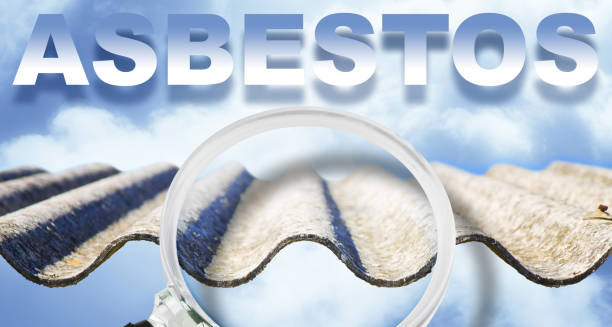
Mesothelioma is mainly caused by exposure to asbestos, a group of natural fibrous minerals once widely used in construction, manufacturing, shipbuilding, and other industries. Most cases occur when people inhale or ingest asbestos fibres, which then lodge in the tissue lining the lungs, abdomen, heart, or testes. Over time, these fibres can trigger chronic irritation, cell damage, and eventually cancer.
Even today, asbestos is the leading cause of mesothelioma worldwide. Secondary or indirect exposure — including household or environmental contact — also plays a role, especially among families of workers in asbestos-related jobs.
1. Asbestos Exposure: The Primary Cause
Asbestos exposure accounts for over 80% of mesothelioma cases. When disturbed, these microscopic fibres become airborne and can be inhaled or swallowed. The body cannot easily remove them, so they remain in the mesothelial tissue for decades. Over this period, they continuously irritate the tissue and damage DNA, eventually causing cancer.
Occupational exposure is most common in:
- Construction and demolition
- Shipbuilding
- Railway maintenance
- Power plants and refineries
- Manufacturing insulation, brake pads, and cement products
Before asbestos regulations, many workers faced daily exposure without protective gear.
2. Secondary (Take-Home) Exposure
Mesothelioma can affect people indirectly exposed to asbestos. Workers sometimes brought asbestos dust home on clothing, hair, or tools. Family members, especially women and children, inhaled or ingested these particles while doing household tasks.
These cases show how dangerous asbestos is, even outside the workplace, and highlight the need for strict decontamination procedures in high-risk jobs.
3. Environmental Exposure
Asbestos occurs naturally in some areas. Mining, road construction, or even recreational activities can release fibres into the air. People living near asbestos mines or processing facilities face higher risk, even if they never worked with asbestos directly.
Examples include Libby, Montana, USA, and certain regions in Australia and South Africa. Wind and contaminated water can spread fibres further into the environment.
4. Genetic Susceptibility
Not everyone exposed to asbestos develops mesothelioma. Research suggests that mutations in the BAP1 gene increase the risk in some families. People with this mutation may develop mesothelioma after low-level exposure or, rarely, without any known exposure. Genetic screening may help identify high-risk individuals in the future.
5. Radiation Exposure
High doses of ionising radiation, such as radiotherapy for other cancers, can rarely cause mesothelioma. Radiation may damage DNA in mesothelial cells, leading to tumour formation years later. This type of mesothelioma is uncommon and usually affects younger patients.
6. Simian Virus 40 (SV40)
SV40, a virus found in polio vaccines from 1955 to 1963, has been suggested as a potential risk factor. Some studies indicate it might interfere with tumour suppressor genes. However, evidence is inconclusive, and SV40 likely plays only a minor role compared to asbestos.
7. Nanoparticle and Carbon Nanotube Exposure
Modern industries use nanoparticles and carbon nanotubes (CNTs) that resemble asbestos in structure. Animal studies suggest long, thin CNTs may cause similar inflammation and cancer in mesothelial tissue. Evidence in humans is limited, but precautions are advised when handling these materials.
8. Duration and Intensity of Exposure
The risk of mesothelioma rises with the length and intensity of asbestos exposure. People exposed over many years or at high levels, especially without protection, face the highest risk. Even brief exposures can lead to mesothelioma decades later. No safe level of asbestos exposure has been proven.
9. Other Contributing Factors
Additional factors can increase susceptibility:
- Smoking: Does not directly cause mesothelioma but raises the risk of lung cancer.
- Age and Gender: Most cases occur in men over 60, partly due to historical work patterns.
- Pre-existing Lung Conditions: Asbestosis or chronic pleural inflammation may increase cancer risk.
Final Thoughts
Understanding the causes of mesothelioma is essential for prevention and legal accountability. Many buildings, vehicles, and infrastructure still contain asbestos. Awareness helps guide safety regulations, protective legislation, and compensation claims.
While research continues on other risk factors, the most effective strategy remains prevention — avoiding asbestos exposure whenever possible.