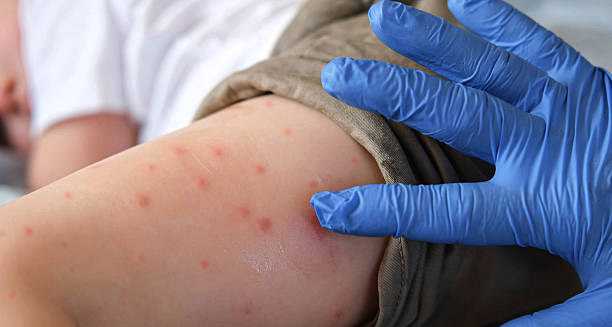
Treatment of Measles
Treatment of measles focuses primarily on supportive care, as there is no specific antiviral medication that cures the disease. Measles is caused by a virus, and like most viral infections, it must run its course. However, timely and appropriate treatment can ease symptoms, prevent complications, and improve recovery. In certain high-risk populations—including young children, pregnant women, and the immunocompromised—the treatment of measles requires closer medical supervision and sometimes hospitalisation.
Supportive Care at Home
For most healthy people, treatment of measles can take place at home with advice from a doctor. The main goals are to ease symptoms, keep the patient hydrated, and ensure good nutrition.
1. Fever and Pain Management
• Paracetamol or ibuprofen can lower fever and reduce body pain.
• Aspirin should not be used in children because of the risk of Reye’s syndrome.
2. Hydration and Nutrition
• Drinking water, clear soups, electrolyte drinks, or oral rehydration solutions prevents dehydration.
• Nutritious foods help the immune system, though appetite often drops during illness.
3. Rest and Isolation
• Bed rest helps conserve energy.
• Patients should stay isolated until at least four days after the rash appears to reduce spread.
Vitamin A Supplementation
One of the strongest tools in the treatment of measles is vitamin A therapy, especially for children. The World Health Organization (WHO) advises high-dose vitamin A for all children with measles. This is important even if the child is not malnourished.
Vitamin A therapy:
• Reduces how long and how strong symptoms last
• Prevents problems like pneumonia and blindness
• Lowers the risk of death in children under five
The usual dose is:
• 200,000 IU daily for two days for children over 1 year
• Smaller doses for infants under 12 months
In areas where vitamin A deficiency is common, this treatment often saves lives.
Medical Supervision for Complications
Most measles cases clear up at home. Yet, some patients need hospital care, especially those in vulnerable groups. Intensive treatment of measles may be required in these situations.
1. Hospitalisation
Patients may need hospital admission if they show:
• Severe dehydration
• Trouble breathing
• Seizures or encephalitis
• Signs of malnutrition
2. Antibiotics for Secondary Infections
Antibiotics do not kill the measles virus. However, doctors may prescribe them for bacterial infections that follow measles, such as:
• Pneumonia
• Ear infections
• Conjunctivitis
• Sinus infections
Timely antibiotics can stop these problems from worsening.
3. Oxygen Therapy
When measles causes severe breathing problems, oxygen treatment may be needed. This step is most important for children and those with pneumonia.
4. Anticonvulsants and ICU Care
In rare cases, measles leads to encephalitis. Then, doctors may use:
• Intravenous anticonvulsants
• Close monitoring in intensive care
• Support to reduce brain swelling and protect brain function
Experimental and Off-Label Treatments
Sometimes, in serious outbreaks, doctors test antiviral drugs such as ribavirin. But regular use of this drug is not advised because evidence is still weak. Research continues to search for new, safe antiviral treatments of measles.
Post-Exposure Prophylaxis (PEP)
Another important approach is post-exposure prophylaxis. This treatment of measles aims to stop infection after contact with the virus.
Options include:
• MMR Vaccine – If given within 72 hours of exposure, the vaccine can prevent or reduce illness.
• Immune Globulin (IG) – Used within 6 days for infants under 6 months, pregnant women, and immunocompromised people.
These measures can often prevent measles completely.
Monitoring and Follow-Up
Patients in treatment of measles should be checked often for warning signs. These include:
• Worsening breathing problems
• Ongoing fever beyond a week
• Rash that becomes darker, painful, or ulcerated
Follow-up visits are vital, especially for children and those with weak immune systems. Doctors also look for late problems like subacute sclerosing panencephalitis (SSPE).