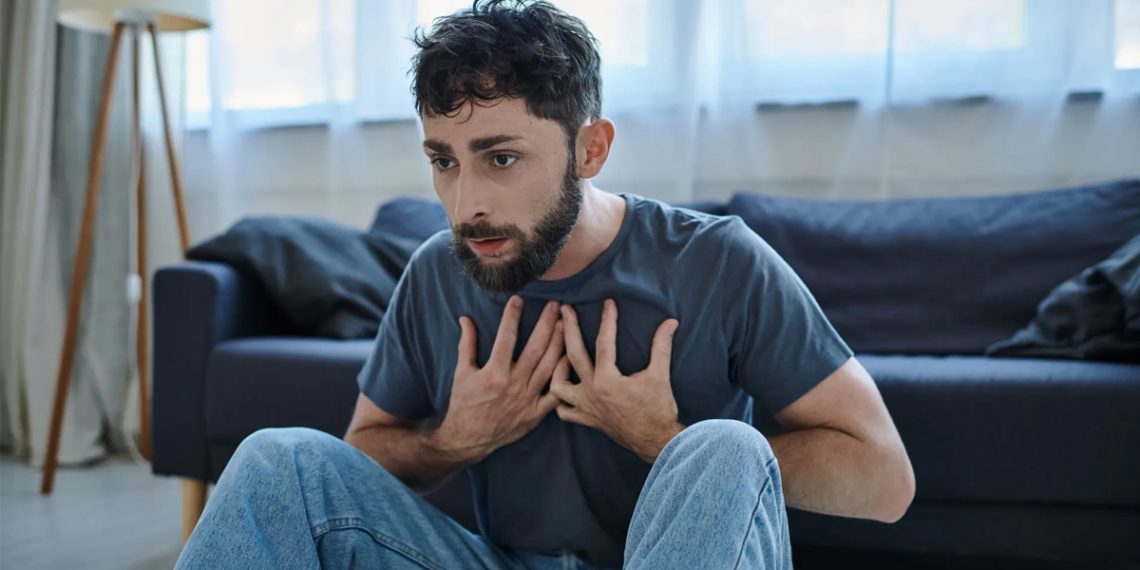

Treatment Options for Agoraphobia
The treatment options for agoraphobia are varied, and many people improve significantly with the right support. While agoraphobia can feel overwhelming and isolating, it is highly treatable — especially when addressed early. A personalised treatment plan combining therapy, medication, and lifestyle changes gives patients the best chance at recovery. In South Africa, access to treatment depends on available resources, but more options are becoming accessible through telehealth and community-based care.
1. Cognitive Behavioural Therapy (CBT)
Cognitive Behavioural Therapy (CBT) remains the gold standard for treating agoraphobia. This structured, evidence-based approach teaches people how to challenge the negative thought patterns that fuel their anxiety. Therapists guide patients to gradually face their fears using exposure therapy, starting with low-anxiety situations and building up to more challenging ones.
CBT also equips patients with practical coping tools. These may include:
- Relaxation and grounding techniques
- Breathing exercises to manage panic symptoms
- Strategies to reframe anxious thinking
- Confidence-building activities to restore independence
In both public and private healthcare settings in South Africa, CBT is offered through psychologists, therapists, and more recently, via online platforms.
2. Medication
Medication can support therapy, especially for people with moderate to severe agoraphobia. Doctors may prescribe:
- Selective Serotonin Reuptake Inhibitors (SSRIs) such as fluoxetine or sertraline, often as a first-line treatment
- Benzodiazepines for short-term relief during high-anxiety periods (though they carry a risk of dependency and are used with caution)
- Beta-blockers to help manage the physical symptoms of anxiety, such as a racing heart or tremors
In South Africa, these medications are available in both the public and private healthcare sectors, although regular follow-up and psychiatric support are essential for safe and effective use.
3. Lifestyle Support and Self-Help
Lifestyle changes play a valuable role in managing agoraphobia. While not a standalone cure, self-help strategies can greatly improve daily functioning:
- Practising mindfulness and breathing techniques to reduce anxiety
- Keeping a journal to track triggers and progress
- Joining online or community support groups to reduce isolation
- Engaging in regular physical activity, which helps regulate mood and lower general anxiety
In recent years, teletherapy has expanded access to care — particularly useful in areas of South Africa where in-person mental health services are limited.
Treatment Options for Agoraphobia
🔹 Next → [Living with Agoraphobia – Coping and Support]
Treatment for Anxiety Disorders in Children