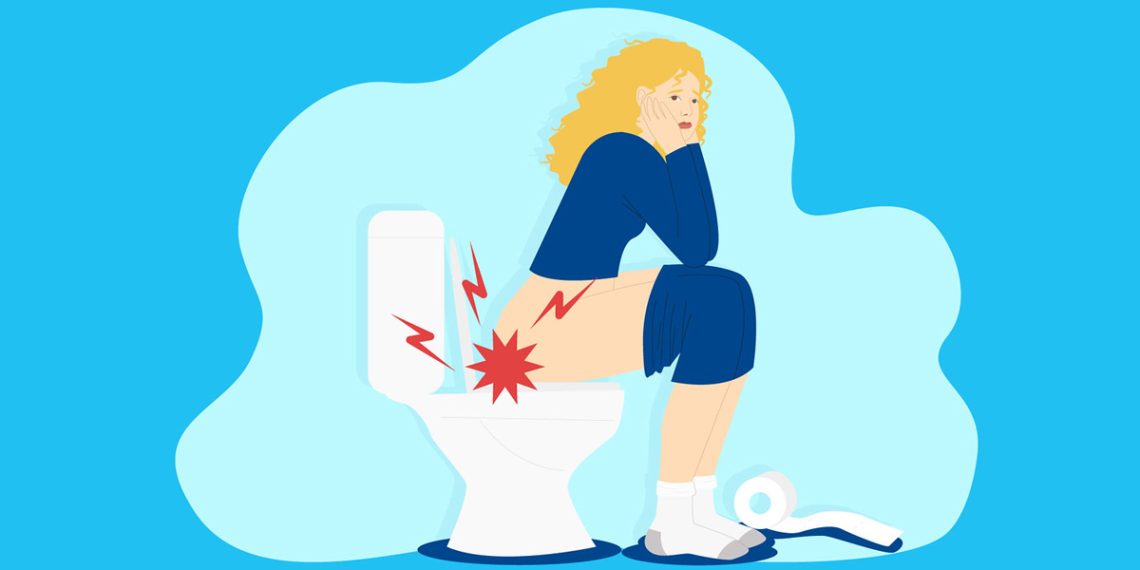
Complications of Anal Fissure
While most anal fissures heal without issue, complications of anal fissure such as untreated or chronic fissures can lead to persistent pain, infection, and functional problems. Recognising and addressing complications early is key.
1. Chronic Fissure
- Lasts longer than 6 weeks
- May develop fibrotic edges, sentinel pile, or a small lump near the tear
- Often requires medical or surgical treatment
2. Infection
- A fissure can become infected, leading to:
- Anal abscess
- Fistula (an abnormal tunnel between the anal canal and the skin)
- Requires antibiotics or minor surgical drainage
3. Anal Spasm and Pain Cycle
- Persistent pain causes muscle spasm, which reduces blood flow and delays healing
- Breaking this cycle with medication or surgery is often necessary for chronic cases
4. Incontinence (Rare)
- May occur as a side effect of surgical treatment, especially in older patients
- Usually mild and temporary
5. Psychological Impact
- Chronic pain and embarrassment can lead to:
- Anxiety around bowel movements
- Avoidance of defecation
- Reduced quality of life
Prevention Tips
- Maintain a high-fibre diet
- Stay hydrated
- Avoid straining or sitting too long on the toilet
- Address constipation or diarrhoea promptly
- Seek early medical advice if symptoms persist
Anal fissures, though small, can be deeply disruptive. But with proper care and early treatment, full recovery is not only possible — it’s expected.
👉 End of Series | Back to Overview