Causes and Risk Factors of Anorexia Nervosa
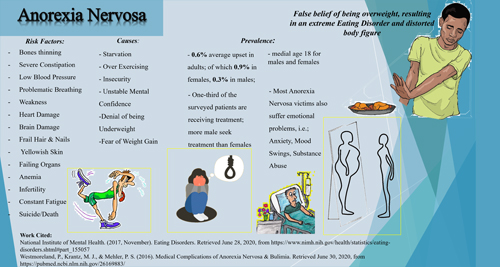
Anorexia nervosa is a multifactorial disorder, meaning it results from a combination of genetic, psychological, social, and environmental factors. There is no single cause, but several factors increase vulnerability. Read more about the causes and risk factors of anorexia nervosa below.
1. Genetic and Biological Factors
- Individuals with a family history of eating disorders, anxiety, or depression are at higher risk.
- Studies suggest that certain brain chemicals (like serotonin and dopamine) involved in mood and appetite regulation may play a role.
2. Psychological Traits
- Perfectionism, high self-criticism, low self-esteem
- Obsessive-compulsive behaviours
- Need for control or fear of failure
3. Social and Cultural Pressure
- Societal emphasis on thinness and beauty, especially on social media
- Industries such as modelling, ballet, or sports that reward low body weight
- Peer pressure and body shaming, especially during adolescence
4. Trauma and Life Stress | Causes and Risk Factors of Anorexia Nervosa
- History of bullying, abuse, or traumatic events
- Major life changes or family conflict
5. Dieting and Weight Loss
- Dieting is often the trigger — especially when combined with emotional stress or low self-worth
- Restrictive eating can spiral into obsessive control
In South Africa, growing westernised beauty ideals, rising social media use, and unaddressed trauma contribute to increased risk in both urban and rural settings.
Understanding the underlying causes helps guide effective treatment and long-term prevention.
👉 [Next: Diagnosis of Anorexia Nervosa]
Dr Susannah Rose Psychotherapist London