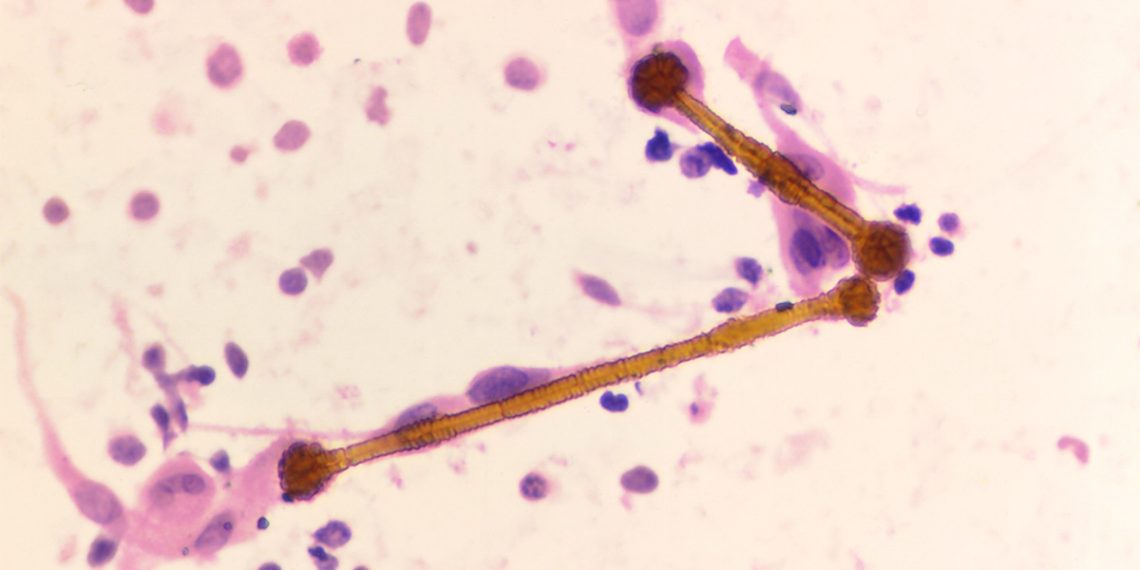
Diagnosis of Asbestosis
Diagnosis of asbestosis involves reviewing a person’s occupational history, identifying respiratory symptoms, and using imaging and lung function tests to confirm lung damage.
1. History and Symptoms
Doctors will ask about:
- Past or current work with asbestos
- Duration and conditions of exposure
- Symptoms such as breathlessness, chronic cough, fatigue
- Smoking history
2. Physical Examination
- Crackling or “Velcro-like” sounds heard in the lower lungs with a stethoscope
- Possible signs of finger clubbing or reduced oxygen levels
3. Imaging Tests
- Chest X-ray
- May show irregular opacities or fibrosis (especially at the lung bases)
- Sometimes pleural plaques (thickening around the lung lining)
- High-Resolution CT Scan (HRCT)
- More sensitive than X-rays
- Reveals fine details of scarring and helps rule out other lung diseases
4. Pulmonary Function Tests (PFTs)
- Show restrictive lung disease pattern
- Decreased lung volume and reduced diffusion capacity
5. Oxygen Saturation Testing
- May reveal low oxygen levels during exercise or rest
Differential Diagnosis
Other lung conditions can mimic asbestosis:
- Idiopathic pulmonary fibrosis
- Chronic obstructive pulmonary disease (COPD)
- Tuberculosis (important to consider in SA context)
South Africa’s occupational health units often lead the diagnosis of asbestosis, especially in miners. Confirming the diagnosis is also important for legal and compensation claims.
👉 [Next: Treatment and Management of Asbestosis]