Complications of Atopic Eczema
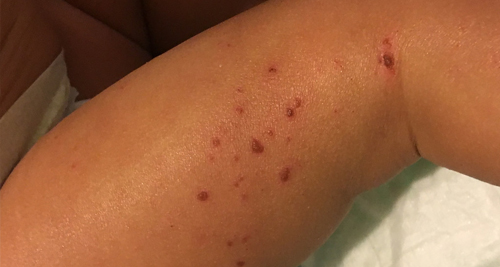
If left untreated or poorly managed, atopic eczema can lead to several short- and long-term complications. Learn more about the complications of atopic eczema in the 5 points below.
Short and Long-Term Complications of Atopic Eczema
1. Skin infections
- Open, scratched skin becomes vulnerable to bacterial, viral, or fungal infections
- Staphylococcus aureus is common, causing crusting and pus
- Eczema herpeticum, a rare but serious herpes virus infection, may occur
2. Sleep disturbance and fatigue
- Intense itching disrupts sleep, especially in children
- Chronic tiredness can impact mood, learning, and concentration
3. Skin thickening (lichenification)
- Long-term scratching causes skin to become rough and leathery
4. Scarring and pigmentation changes
- Healing eczema can leave darker (hyperpigmented) or lighter (hypopigmented) patches
5. Mental health issues
- Ongoing discomfort, embarrassment, and isolation may lead to anxiety, depression, or low self-esteem
Why Complications Matter
Atopic eczema is more than just a skin condition — when not properly managed, it can lead to significant physical and emotional challenges. From infections and permanent skin changes to sleep disruption and mental health struggles, the impact can affect quality of life at every stage.
Taking Early Action
Fortunately, most complications are preventable with early treatment, a consistent skincare routine, and awareness of triggers. Reducing scratching, managing stress, and seeking support when needed are all essential. By staying proactive, individuals and caregivers can protect skin health, improve comfort, and prevent the long-term consequences of untreated eczema.
Preventing complications involves prompt treatment, avoiding scratching, managing stress, and sticking to a good skincare routine — even during clear skin phases.
👉 [Next: Prevention and Daily Care for Eczema]