Atopic Eczema Overview
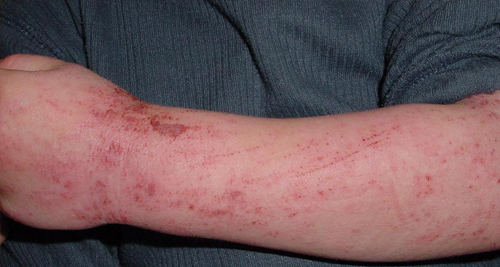
Atopic eczema, also called atopic dermatitis, is a chronic skin condition that causes dry, itchy, and inflamed skin. It often begins in early childhood but can persist or even begin in adulthood. The term “atopic” refers to a genetic tendency toward allergic conditions like asthma and hay fever.
Conditions
The condition varies in severity — for some, it’s a mild nuisance; for others, it’s life-altering. Eczema flare-ups can affect the face, hands, neck, elbows, and behind the knees, though any area may be involved. The skin becomes red, cracked, sore, and may weep fluid. Scratching often worsens the irritation, creating a cycle that’s hard to break.
In South Africa, climate, allergens, and limited access to skincare in some communities make eczema particularly difficult to manage. Hot summers, dry winters, dust, and poor air quality can all trigger flare-ups.
While it isn’t contagious, eczema can affect mental health, confidence, and quality of life. Understanding its causes, triggers, and management options is essential for long-term control.
A Widespread and Challenging Condition
Atopic eczema is a common but often misunderstood condition that affects people of all ages. Its dry, itchy, and inflamed skin symptoms can interfere with daily life, sleep, and self-esteem. For many, especially in South Africa, managing eczema is an ongoing challenge due to climate, allergens, and healthcare access.
Empowerment Through Awareness
While there is no cure, understanding what eczema is — and how to manage its causes and triggers — can dramatically improve quality of life. With the right combination of skincare, lifestyle changes, and medical support, flare-ups can be reduced, helping individuals live more comfortably and confidently.
👉 [Next: Causes and Triggers of Atopic Eczema]
Prevention and Daily Care for Eczema