
Black Eye Emotional and Social Considerations
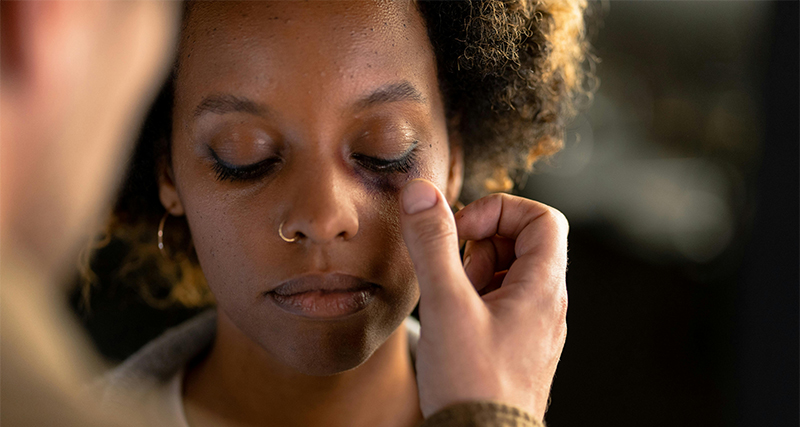
While a black eye is usually temporary, the emotional impact can be significant — especially when it is linked to violence, bullying, or embarrassment. Read more about black eye emotional and social considerations below.
Psychological effects:
- Individuals may feel self-conscious, especially if the bruise is visible at school or work.
- Children and teenagers may be teased or avoid social interaction.
- In cases of domestic abuse, a black eye may be the only visible sign of deeper trauma.
Domestic violence and black eyes:
- Black eyes are a common injury in cases of abuse — affecting women, children, and even men.
- Survivors may avoid seeking medical care out of fear, shame, or control by the abuser.
- Medical professionals in South Africa are trained to screen for gender-based violence (GBV) and offer support services.
What you can do:
- If you suspect a loved one’s black eye is from abuse, speak privately and supportively.
- Encourage them to seek help from:
- GBV helplines
- SAPS Family Violence Units
- Local clinics or NGOs
Support resources in South Africa:
- GBV Command Centre: 0800 428 428
- SADAG: Counselling support and referral
- Lifeline SA: 24/7 emotional support
Workplace and school considerations:
- Employees may need medical notes or workplace support while healing.
- Teachers and school counsellors should be sensitive to students presenting with facial bruises and engage caregivers where necessary.
Black Eye Emotional and Social Considerations
Even if the cause is not violence-related, a black eye can affect confidence, participation, and mood. Offering understanding, space, and time to heal — both physically and emotionally — is key.
👉 [End of Series | Back to Overview]