Treatment Options for Bowel Polyps
The available treatment options for bowel polyps depend on the size, type, and number of polyps detected. In most cases, early-stage polyps are removed easily and without complications. Knowing the full range allows patients to make informed decisions and avoid cancer progression.
6 Common Treatment Options for Bowel Polyps
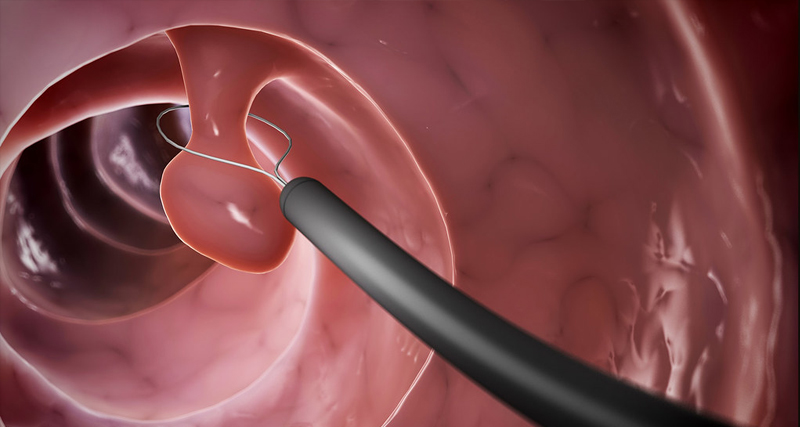
1. Polypectomy during colonoscopy
Most polyps can be removed immediately during a colonoscopy using a snare or loop device. This outpatient procedure is effective, fast, and safe.
2. Endoscopic mucosal resection (EMR)
Used for larger or flatter polyps. It involves injecting fluid to lift the polyp before cutting it away. Recovery is usually quick.
3. Surgical removal
Large or suspicious polyps may require surgery, especially if they cannot be removed endoscopically. This is more common for patients with hereditary conditions or multiple growths.
4. Pathology results and monitoring
All removed polyps are analysed. High-risk features, such as dysplasia or size greater than 1cm, may require closer follow-up. Repeat colonoscopies are scheduled based on findings.
5. Preventative strategies
A high-fibre diet, healthy weight, exercise, and avoiding smoking/alcohol can reduce recurrence. These changes support overall digestive health.
6. Genetic testing and counselling
Patients with frequent polyps or a family history of colorectal cancer may benefit from genetic evaluation.
In South Africa, the accessibility of treatments varies. Private healthcare offers efficient solutions, while the public sector increasingly provides access to colonoscopy and surgical care. NGO programmes are beginning to fill gaps, especially in rural regions.
Treatment Options for Bowel Polyps
With early intervention, most are minimally invasive, offering excellent outcomes with low recurrence.
👉 [Next: Living with Bowel Polyps – Prevention and Outlook]