Diagnosis of Cataracts
Diagnosis of cataracts is typically made during a routine eye exam, often before symptoms become bothersome. A detailed diagnosis of cataracts confirms the presence, type, and severity of the lens clouding and helps plan treatment.
The process begins with a visual acuity test, using a standard eye chart. This determines how well you can see at different distances. Cataracts usually reduce contrast and clarity, making it difficult to read fine print or recognise letters clearly, even with corrective lenses.
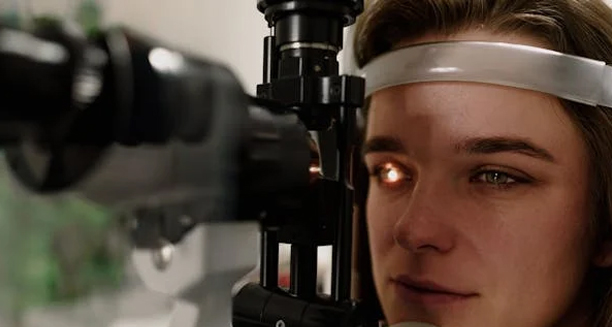
A slit-lamp examination allows the eye doctor to closely inspect the eye’s structures under magnification. Using a bright light and microscope, they examine the lens for cloudiness, noting its location and density. This is one of the most accurate ways to assess cataracts.
Retinal examination is another key step. After dilating your pupils with special eye drops, the doctor uses an ophthalmoscope to look through the lens and check the retina at the back of the eye. This also helps rule out other eye conditions, such as macular degeneration or diabetic retinopathy, which may also impair vision.
Tonometry, a test that measures intraocular pressure, is not used to diagnose cataracts directly but is important in checking for coexisting conditions like glaucoma.
Refraction testing is used to see if changing your prescription lenses will improve your vision. If not, and the cloudiness is the limiting factor, cataract surgery may be recommended.
Diagnosis of Cataracts
In cases where the diagnosis is unclear or when secondary cataracts are suspected (such as after previous eye surgery), ocular coherence tomography (OCT) or other imaging may be used for further insight.
A professional diagnosis of cataracts allows patients and doctors to make an informed decision about the timing of surgery. Early detection through regular eye exams ensures cataracts are managed before they severely impact daily life or cause injury from reduced vision.
[Next: Treatment of Cataracts →]