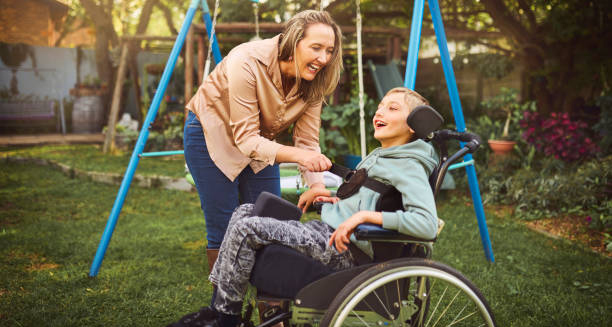
Complications and Recovery from Cerebral Palsy
Complications and recovery from cerebral palsy depend on the severity of the condition and access to long-term support. While the brain injury that causes cerebral palsy does not worsen over time, its physical and emotional consequences can evolve. Proper care and management are vital in minimising complications and promoting independence.
1. Musculoskeletal Complications
Over time, children with cerebral palsy may experience:
- Joint contractures, where muscles and tendons become shortened
- Scoliosis or other spinal deformities
- Hip dislocation from uneven muscle pull
- Osteoporosis due to limited movement and poor nutrition
Regular physiotherapy and orthopaedic monitoring help address these issues early.
2. Feeding and Nutritional Issues
Feeding difficulties can lead to poor weight gain, malnutrition, or aspiration (inhaling food into the lungs). These issues require:
- Swallow assessments
- High-calorie diets
- Feeding tubes in severe cases
Nutrition support is essential to promote growth and energy.
3. Seizures and Epilepsy | Complications and Recovery from Cerebral Palsy
Up to 50% of children with cerebral palsy develop epilepsy. Seizures can be managed with medications, but they may impact schooling and safety.
4. Vision, Hearing, and Communication Problems
Untreated sensory impairments can affect learning and socialisation. Regular screening and assistive devices like glasses, hearing aids, or communication boards are often needed.
5. Emotional and Behavioural Impact
Some children experience anxiety, frustration, or depression — especially during adolescence. Psychological support, peer engagement, and family therapy can improve resilience and wellbeing.
6. Recovery and Long-Term Outlook
Recovery is a lifelong process focused on optimising function, not curing the condition. Key elements include:
- Consistent therapy and education
- Adaptive equipment and modifications
- Supportive home and school environments
- Transition planning for adulthood, including employment and housing
While some individuals remain dependent on full-time care, others pursue higher education, employment, and independent living.
Complications and Recovery from Cerebral Palsy
With the right interventions and family support, people with cerebral palsy can lead rich, fulfilling lives. Managing the complications and recovery from cerebral palsy is an ongoing journey — one that is made easier through early intervention and personalised care.