Treatment of Cerebral Palsy
Treatment of cerebral palsy focuses on improving function, independence, and quality of life. There is no cure, but a combination of therapies, medication, and assistive technology can significantly help manage the symptoms of cerebral palsy throughout a person’s life.
1. Physiotherapy
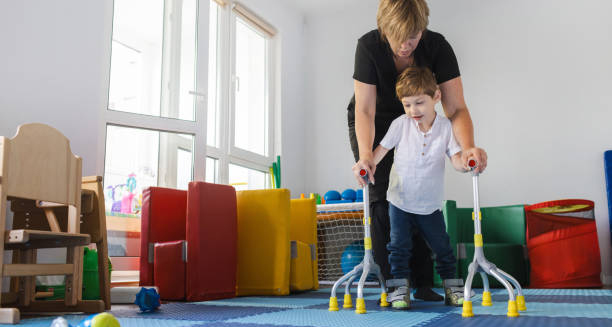
Physiotherapy is a cornerstone of cerebral palsy treatment. It aims to improve mobility, balance, strength, and motor skills. Therapists use exercises, stretches, and play-based activities to help children reach developmental milestones and maintain flexibility.
2. Occupational Therapy
Occupational therapy supports daily living skills such as dressing, feeding, and using assistive devices. It helps children gain independence and adapt to their environment by improving hand function and coordination.
3. Speech and Language Therapy
For those with communication or swallowing issues, speech therapy helps improve:
- Speech clarity
- Language development
- Alternative communication methods (e.g. sign language, communication devices)
- Safe swallowing techniques
4. Medications | Treatment of Cerebral Palsy
Doctors may prescribe:
- Muscle relaxants like baclofen or diazepam to reduce spasticity
- Botulinum toxin (Botox) injections to relax specific muscle groups
- Anticonvulsants to manage seizures
- Pain relievers for muscle or joint discomfort
5. Orthopaedic and Neurosurgical Interventions
Some children benefit from surgery to address joint deformities, tendon contractures, or hip dislocations. Neurosurgical procedures like selective dorsal rhizotomy (SDR) may reduce spasticity by cutting specific nerve roots.
6. Assistive Devices
Depending on the level of mobility and motor function, aids may include:
- Braces or splints
- Walkers or wheelchairs
- Customised seating or standing frames
- Communication devices for non-verbal children
7. Educational and Psychological Support
Tailored educational plans (IEPs), inclusive schooling, and behavioural therapy help children with learning or emotional challenges succeed in school and life.
The goal of treatment of cerebral palsy is to support the child’s unique needs and enable them to participate fully in their family and community. Ongoing evaluation and an individualised care plan ensure the best possible outcomes.
[Next: Complications and Recovery from Cerebral Palsy →]