Complications and Recovery from Chiari Malformation
Complications and recovery from Chiari malformation depend on the severity of the condition, associated disorders, and how early treatment is initiated. Although Chiari malformation is not usually life-threatening, its impact on neurological function can be significant without proper care.
1. Syringomyelia
One of the most serious complications is syringomyelia — a fluid-filled cavity within the spinal cord. This can cause:
- Chronic pain
- Progressive weakness
- Muscle wasting
- Bowel and bladder problems
Surgery can often halt or reverse these symptoms if detected early.
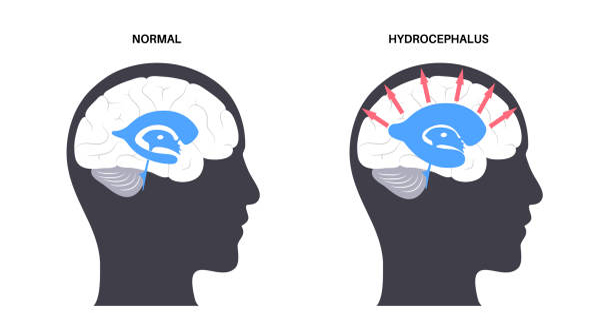
2. Hydrocephalus
Increased pressure within the brain due to blocked cerebrospinal fluid flow may lead to hydrocephalus, requiring a shunt to relieve fluid buildup.
3. Sleep and Breathing Problems
Sleep apnoea, disrupted sleep, and breathing difficulties may occur if brainstem compression affects respiratory centres.
4. Surgical Risks | Complications and Recovery from Chiari Malformation
While decompression surgery is generally safe, possible risks include:
- Infection
- CSF leak
- Meningitis
- Incomplete symptom relief
Recovery is typically good when surgery is performed by an experienced neurosurgeon.
5. Long-Term Outlook
With treatment, most people experience symptom relief or stabilisation. Regular follow-ups and MRI scans monitor for recurrence or new complications.
6. Quality of Life | Complications and Recovery from Chiari Malformation
Persistent pain, fatigue, or neurological symptoms may affect school, work, and social life. Support groups, counselling, and physiotherapy play an important role in recovery.
Children may require ongoing developmental assessments and tailored education plans. Adults benefit from lifestyle adaptations, home modifications, and ongoing rehabilitation.
Overall, complications can be well managed with early diagnosis, proper monitoring, and appropriate treatment — leading to a good quality of life for many patients.