Treatment of Chickenpox
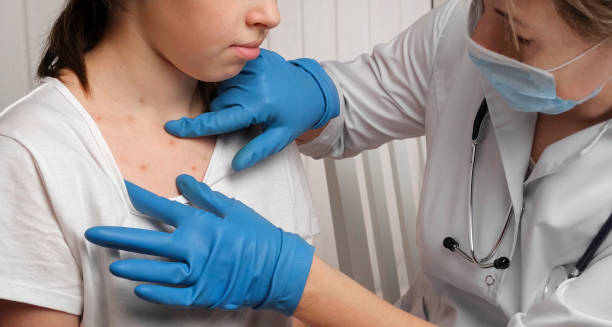
Treatment of chickenpox is mainly supportive, aimed at relieving symptoms and preventing complications. Although chickenpox resolves on its own in most cases, certain groups may require antiviral medication or hospital care. Timely and appropriate treatment of chickenpox ensures a smoother recovery.
1. Symptom Relief
For mild to moderate cases, treatment focuses on easing discomfort:
- Paracetamol: Reduces fever and body aches (avoid aspirin due to risk of Reye’s syndrome)
- Antihistamines (e.g., chlorphenamine): Help reduce itching
- Calamine lotion or cooling gels: Soothe irritated skin
- Oatmeal baths: Provide itch relief
Children should be kept cool and dressed in loose-fitting clothing to minimise skin irritation.
2. Preventing Scratching
Scratching can lead to scarring or skin infections. To reduce this:
- Keep nails trimmed short
- Use cotton gloves or mittens at night for young children
- Apply moisturising creams to keep skin hydrated
3. Antiviral Medication | Treatment of Chickenpox
In high-risk patients, antivirals such as acyclovir may be prescribed. These are most effective when started within 24–48 hours of symptom onset. Indications include:
- Adults with moderate to severe symptoms
- Pregnant women
- Immunocompromised individuals
- Newborns exposed during birth
4. Hydration and Nutrition
Ensure plenty of fluids to prevent dehydration, especially if fever is present. Soft, bland foods are best for those with mouth ulcers or sore throats.
5. Hospital Admission | Treatment of Chickenpox
Hospital care may be necessary for:
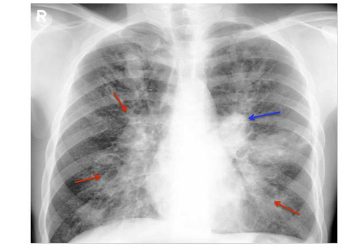
- Complications like pneumonia, encephalitis, or bacterial skin infections
- Severe cases in immunosuppressed patients
- Infants infected at or near birth
Although usually mild, treatment of chickenpox can be more complex in adults and vulnerable groups, making medical advice essential when symptoms are severe or unusual.
[Next: Complications and Recovery from Chickenpox →]