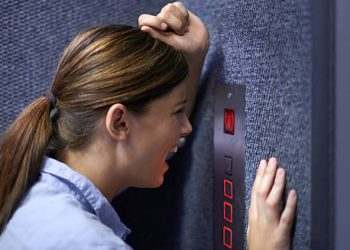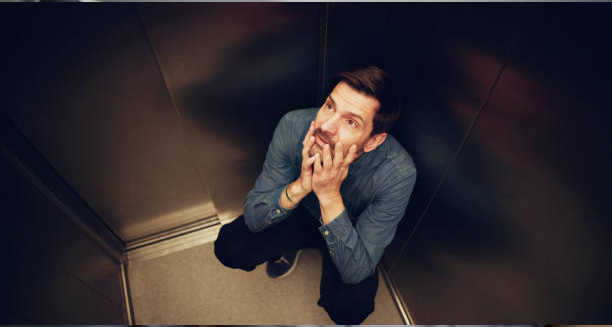
Symptoms of Claustrophobia
Symptoms of claustrophobia can vary widely, both in intensity and in how they manifest. However, most people with claustrophobia experience overwhelming anxiety when confronted with enclosed or confined spaces. These symptoms may be physical, emotional, or behavioural, and they can arise suddenly or build gradually as the person approaches a triggering environment.
1. Physical Symptoms
Claustrophobia often triggers a strong physiological response, commonly associated with panic attacks. These include:
- Rapid heartbeat (palpitations)
- Sweating and chills
- Trembling or shaking
- Nausea or stomach discomfort
- Shortness of breath or hyperventilation
- Dizziness or light-headedness
- Chest tightness or pain
- A choking sensation
These symptoms arise from the body’s “fight or flight” response and can be intensely distressing, even if the person intellectually knows they are not in danger.
2. Psychological Symptoms | Symptoms of Claustrophobia
Emotionally, individuals may experience:
- A strong urge to escape the situation
- Fear of losing control or going insane
- Feelings of dread or impending doom
- Detachment from reality or surroundings (derealisation)
- Fear of death or suffocation
Even the anticipation of being in a confined space can cause significant anxiety or dread, known as anticipatory anxiety.
3. Behavioural Symptoms
People with claustrophobia often alter their routines or lifestyles to avoid triggering environments. This avoidance can include:
- Taking stairs instead of lifts
- Refusing to use public transport
- Avoiding medical procedures like MRIs
- Skipping social events held in crowded venues
- Avoiding tunnels, small cars, or even wearing tight clothing
These behaviours may initially offer relief but often reinforce the phobia over time, making it worse.
4. Impact on Daily Life | Symptoms of Claustrophobia
In severe cases, claustrophobia interferes with employment, relationships, and medical care. Some individuals may refuse necessary health tests or procedures out of fear, posing additional health risks.
The symptoms of claustrophobia can be debilitating but are also highly treatable. Recognising them early and seeking support can prevent the fear from escalating and improve overall quality of life.
[Next: Diagnosis of Claustrophobia →]