Causes of Claustrophobia
Causes of claustrophobia can be complex and multifactorial, involving a combination of past experiences, psychological tendencies, and genetic influences. While not every person with claustrophobia has a clear origin story, many can trace their fear back to a specific incident or pattern of events. Understanding the causes of claustrophobia can assist in developing effective treatment strategies and provide reassurance to those struggling with the condition.
1. Traumatic Experiences
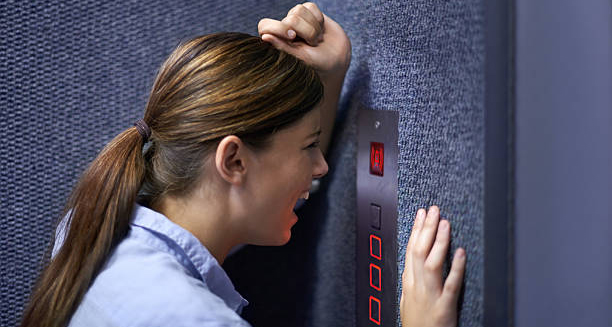
One of the most common causes is a distressing experience in a confined space. For instance, a child who was accidentally locked in a cupboard or who got stuck in an elevator may later associate enclosed environments with panic. These events may not have seemed significant at the time, but their emotional impact can persist.
2. Learned Behaviour | Causes of Claustrophobia
Phobias can also be learned from close family members. If a parent or caregiver exhibited anxious behaviour in tight spaces, a child may unconsciously adopt this fear through observation and repetition. This is especially true if the child did not receive reassurance or help interpreting the event differently.
3. Genetic and Biological Factors
Some individuals may have a genetic predisposition to anxiety disorders, including specific phobias like claustrophobia. Studies suggest that people with a family history of anxiety or panic disorders may be more vulnerable. Certain brain structures, such as the amygdala, may also react more strongly to perceived threats in enclosed spaces.
4. Personality Traits
People who are more sensitive, introverted, or prone to high levels of control may be more susceptible to developing claustrophobia. The feeling of being unable to escape or control the situation can trigger panic in those with a heightened sensitivity to stress.
5. Evolutionary Theories | Causes of Claustrophobia
Some experts believe that claustrophobia may have evolutionary roots. Being trapped in tight spaces historically posed real threats, such as cave-ins or animal attacks. The fear response may have evolved as a survival mechanism, although it can become maladaptive in modern settings.
While the causes of claustrophobia are varied, the common thread is a sense of entrapment or lack of control. Recognising the underlying source of fear can provide insight during therapy and empower individuals to work through the anxiety effectively.
[Next: Symptoms of Claustrophobia →]