Symptoms of Complex Regional Pain Syndrome
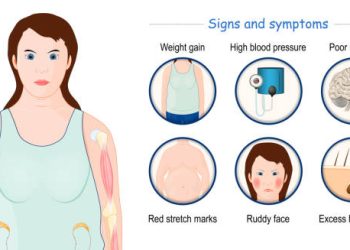
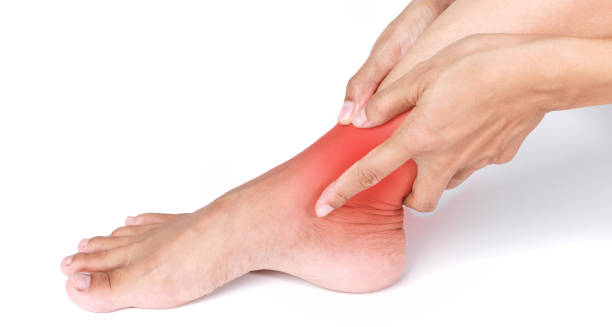
Symptoms of complex regional pain syndrome are often severe, persistent, and significantly impair daily life. The hallmark of the condition is chronic, intense pain that is disproportionate to the original injury. In most cases, complex regional pain syndrome affects one limb—typically the arm, leg, hand, or foot—and presents a combination of sensory, motor, autonomic, and trophic abnormalities.
Sensory Symptoms
Burning or shooting pain that may feel like electric shocks
Allodynia: Pain caused by stimuli that are normally not painful, such as light touch or temperature change
Hyperalgesia: Heightened sensitivity to painful stimuli
The pain can be constant or fluctuate and often worsens over time without treatment.
Autonomic Symptoms
Skin temperature changes: The affected limb may feel colder or warmer than the other
Skin colour changes: May appear red, purple, blue, or blotchy
Sweating: Excessive sweating or reduced sweating in the affected area
These signs reflect dysfunction in the autonomic nervous system, which controls blood flow and skin regulation.
Motor and Functional Symptoms
Weakness or tremors
Muscle spasms
Decreased range of motion
Joint stiffness
These symptoms may limit the use of the affected limb and contribute to further disability.
Trophic Changes
Changes in skin texture: Skin may become thin, dry, or shiny
Abnormal hair or nail growth
Swelling or atrophy of muscles and tissues
In advanced stages, the limb may appear visibly wasted, and bone density may decrease, leading to fragility fractures.
Symptoms of Complex Regional Pain Syndrome
CRPS can also lead to insomnia, depression, and anxiety due to the ongoing nature of the pain and its impact on quality of life.
To conclude, symptoms of complex regional pain syndrome are diverse and disabling, often affecting not only the physical body but also the emotional and psychological well-being of the individual. Early intervention improves outcomes and may help reverse some of the physical changes before they become permanent.
[Next: Diagnosis of Complex Regional Pain Syndrome →]