
Cradle Cap – Overview
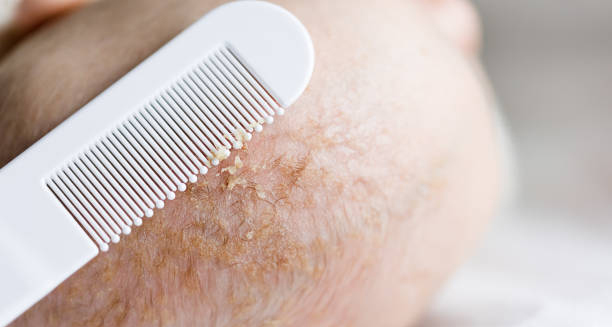
Cradle cap is a common and harmless skin condition that affects newborns and infants, characterised by greasy, yellowish, scaly patches on the scalp. Also known as infantile seborrhoeic dermatitis, this typically appears within the first few weeks of life and may last for several months. Although it can look concerning to new parents, it is not contagious, painful, or a sign of poor hygiene.
The condition primarily affects the scalp but may also appear behind the ears, on the eyebrows, eyelids, or in the nappy area. The scales may flake off over time, and in some cases, hair may fall out with the crusts, though it usually grows back. The skin underneath can appear red or irritated but rarely causes discomfort to the baby.
Cradle Cap
Cradle cap develops when the oil-producing sebaceous glands in a baby’s skin become overactive, possibly due to residual maternal hormones in the baby’s body. This overproduction of sebum traps dead skin cells, leading to the formation of thick, crusty patches. Unlike other rashes, this does not itch or cause pain, and babies typically remain unbothered by it.
The condition is self-limiting and often resolves on its own without medical treatment. However, gentle care routines can help speed up the healing process and prevent recurrence. In rare cases, if the area becomes infected or inflamed, further treatment may be required.
In summary, this condition is a common, non-serious skin condition in babies marked by greasy, scaly patches on the scalp. With regular care and patience, it usually clears up on its own without complications.
[Next: Causes of Cradle Cap →]