Causes of Creutzfeldt-Jakob Disease
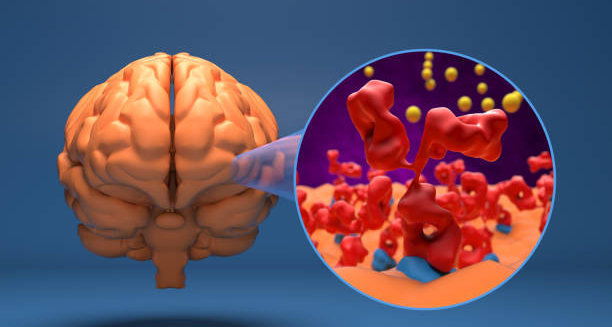
Causes of Creutzfeldt-Jakob disease revolve around the accumulation of prions—misfolded proteins that cause normal brain proteins to fold abnormally. While prions are not viruses or bacteria, they are infectious in the sense that they induce abnormal protein folding, leading to brain cell death. Understanding the causes of Creutzfeldt-Jakob disease is vital for identifying at-risk individuals and preventing transmission in healthcare settings.
1. Sporadic CJD
This is the most common form, accounting for approximately 85–90% of cases. It occurs without any clear reason, usually in people over the age of 60. Doctors do not fully understand the exact mechanism behind sporadic CJD. Researchers believe it involves spontaneous changes in prion proteins in the brain.
2. Genetic CJD (Familial)
Inherited mutations in the PRNP gene, which codes for the prion protein, are responsible for 5–15% of CJD cases. Inherited forms can pass from one generation to the next and typically develop earlier than sporadic CJD.
3. Acquired CJD | Causes of Creutzfeldt-Jakob Disease
This extremely rare form is contracted through exposure to prions from an external source:
- Iatrogenic CJD: Acquired through medical procedures, such as contaminated surgical instruments, corneal transplants, or injections of human-derived growth hormone.
- Variant CJD (vCJD): Linked to the consumption of meat infected with bovine spongiform encephalopathy (BSE), also known as “mad cow disease.” This form affects younger individuals and often starts with psychiatric symptoms.
4. Prion Transmission Mechanism
Prions are incredibly resistant to standard sterilisation methods. Once introduced into the body, they propagate by inducing the misfolding of normal proteins, triggering a chain reaction that leads to widespread brain damage.
5. Not Contagious
CJD is not spread through casual contact, touch, or air. Only specific medical or surgical exposures carry a transmission risk, which is now strictly controlled with enhanced sterilisation protocols.
The causes of Creutzfeldt-Jakob disease are unique in that they involve no bacteria, viruses, or parasites—just a corrupted protein that triggers a cascade of brain destruction. Early recognition of risk factors, especially in surgical and genetic contexts, is key to prevention and surveillance.
[Next: Symptoms of Creutzfeldt-Jakob Disease →]