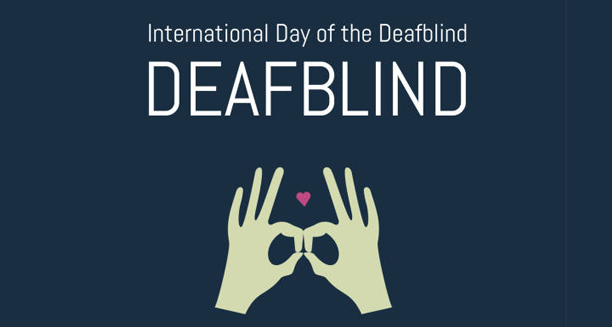
Deafblindness – Overview
Deafblindness is a unique and complex disability that results from the combined loss of sight and hearing. This dual sensory impairment significantly impacts an individual’s ability to communicate, access information, and navigate the world. While deafblindness does not always mean complete loss of both senses, even partial impairments can create major challenges in daily life, particularly when both occur together.
The condition affects people in many ways and to varying degrees. Some individuals are born with deafblindness (congenital deafblindness), while others acquire it later in life due to illness, injury, or age-related conditions such as Usher syndrome or age-related macular degeneration and hearing loss. The timing of onset plays a key role in determining how a person experiences and adapts to their disability.
Deafblindness
Deafblindness is recognised as a distinct disability because the combination of visual and auditory impairment creates unique barriers that are not present in those who are only deaf or only blind. For example, a person who is blind may rely on sound for orientation, while someone who is deaf may depend on visual cues. A person with deafblindness may lose access to both, which can severely restrict communication and independence.
The effects of deafblindness can vary widely depending on factors such as the severity of sensory loss, the age at which it occurred, support systems, and access to assistive technology. Common difficulties include communicating with others, learning new information, maintaining social relationships, and performing everyday tasks safely.
In summary, deafblindness is a complex condition involving dual sensory impairment that affects every aspect of life. Tailored support, assistive technology, and communication strategies are essential to improving independence and quality of life for those affected.
[Next: Causes of Deafblindness →]