Diagnosis of Dengue
Diagnosis of dengue involves evaluating symptoms, travel history, and laboratory tests to confirm infection. Since dengue shares symptoms with other illnesses like malaria, Zika virus, or chikungunya, accurate and timely diagnosis is critical for proper treatment and monitoring. Early diagnosis also helps prevent complications and limits the spread of the virus.
Initial Clinical Evaluation
Healthcare professionals begin with a detailed history, asking about:
Recent travel to or residence in dengue-endemic areas
Onset and duration of fever
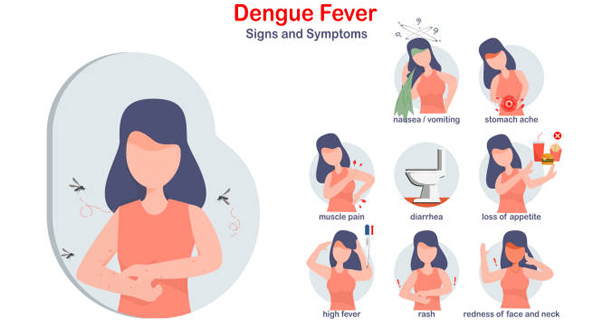
Associated symptoms such as rash, headache, or joint pain
Physical examination may reveal:
Skin rash or petechiae (small red or purple spots caused by bleeding under the skin)
Low blood pressure or fast heart rate
Signs of dehydration
However, these signs alone are not enough to confirm dengue, and laboratory testing is essential.
Laboratory Tests
NS1 Antigen Test:
Detects the non-structural protein 1 of the virus
Effective within the first 5 days of symptoms
Provides a quick result for early diagnosis
RT-PCR (Reverse Transcriptase Polymerase Chain Reaction):
Detects viral RNA
Confirms the presence and type of dengue virus
Especially useful in early stages
IgM and IgG Antibody Tests:
IgM antibodies indicate recent infection and are detectable from day 4 or 5 of illness
IgG antibodies suggest past exposure or secondary infection
Complete Blood Count (CBC):
Monitors platelet levels and haematocrit
A falling platelet count and rising haematocrit may indicate plasma leakage or severe dengue
Monitoring Disease Progression
Patients with confirmed dengue may be monitored for:
Platelet count
Haematocrit
Signs of bleeding or organ impairment
Daily testing may be required during the critical phase of the illness.
Differential Diagnosis of Dengue
Dengue can mimic several other febrile illnesses. Doctors must rule out:
Malaria
Zika virus
Typhoid fever
Leptospirosis
Rapid and accurate diagnosis is especially important during outbreaks when multiple diseases may circulate simultaneously.
In conclusion, diagnosis of dengue combines symptom review and targeted laboratory testing. Accurate diagnosis allows for appropriate management and prevents complications, especially in severe or high-risk cases.