Causes of Diabetic Retinopathy
Causes of diabetic retinopathy centre on long-term exposure to elevated blood glucose levels, which gradually damage the blood vessels in the retina. Diabetic retinopathy does not occur overnight; it typically develops over time in individuals with uncontrolled or poorly managed diabetes. Understanding what causes the condition is key to prevention and early intervention.
High Blood Sugar (Hyperglycaemia)
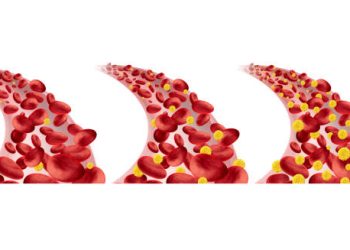
Chronically high blood glucose damages the endothelium—the thin lining of blood vessels in the retina
This weakens vessel walls, causing them to bulge (microaneurysms) and leak fluid or blood into retinal tissue
The retinal cells become deprived of oxygen and nutrients, affecting their function and survival
Formation of Abnormal Blood Vessels
As retinal damage progresses, the body attempts to compensate by growing new blood vessels
These new vessels, however, are fragile and prone to rupture
The bleeding can cause scarring or lead to retinal detachment, both of which may result in blindness
Contributing Risk Factors
Duration of Diabetes: The longer a person has diabetes, the higher the risk of developing retinopathy
Poor Blood Sugar Control: High HbA1c levels significantly increase risk
High Blood Pressure: Adds strain on already compromised blood vessels
High Cholesterol: Leads to fatty deposits in the blood vessels, reducing circulation
Smoking: Restricts blood flow and accelerates vascular damage
Pregnancy and Diabetes
Women with diabetes who become pregnant, or those who develop gestational diabetes, are at heightened risk
Hormonal changes during pregnancy can affect retinal blood vessels
Close monitoring is essential throughout the pregnancy
Additional Triggers & Causes of Diabetic Retinopathy
Kidney disease and anaemia may exacerbate the effects of diabetic retinopathy
Lack of regular eye screening and poor diabetes education can delay diagnosis
In conclusion, causes of diabetic retinopathy are rooted in prolonged blood sugar elevation and related vascular strain. By identifying modifiable risk factors, individuals can take active steps to reduce their likelihood of developing this serious complication.
[Next: Symptoms of Diabetic Retinopathy →]