Complications of Dyspraxia
The complications of dyspraxia extend beyond motor difficulties and can affect a person’s academic, emotional, and social life. Without proper recognition and support, children and adults with dyspraxia may face long-term challenges that impact their self-esteem, education, and relationships.
One of the most common complications is academic underachievement. Children with dyspraxia often struggle with handwriting, note-taking, and classroom tasks that require coordination. These difficulties can slow down their performance, even if they understand the content. Without classroom accommodations, learners may fall behind or become disengaged.
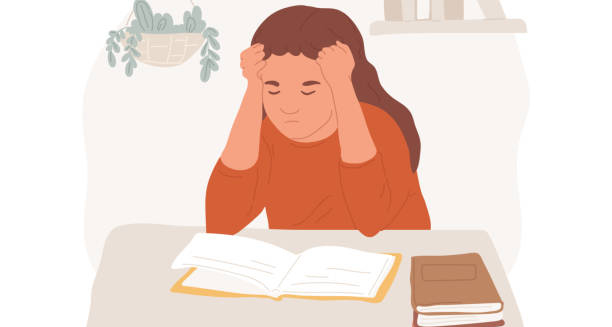
Another complication is emotional distress. Constant comparison with peers and repeated failure can lead to frustration, anxiety, and even depression. Children may become withdrawn, refuse to participate in physical or group activities, or show behavioural outbursts in response to tasks they find overwhelming.
Social difficulties are also frequent. Children with dyspraxia may find it hard to join in games, sports, or peer-based activities that require coordination. As a result, they may be left out or teased by classmates, leading to social isolation. Verbal dyspraxia can further compound the problem, making it hard for the child to express themselves clearly in conversation.
Poor organisation and time management can persist into adolescence and adulthood. Teenagers with dyspraxia often struggle with planning schoolwork, managing daily routines, or learning to drive. Adults may face challenges in the workplace, particularly in roles that involve multitasking, fast-paced decision-making, or physical demands.
Self-care tasks—like tying shoelaces, cooking, or navigating public transport—may remain difficult. Without appropriate life skills training, young adults may take longer to become fully independent. This can affect their confidence and delay transition into adulthood.
In South Africa, many of these complications of dyspraxia are magnified by systemic inequalities. Learners in under-resourced schools may go undiagnosed and unsupported. Cultural stigma and lack of information can lead to misconceptions, with children labelled as lazy or naughty rather than recognised as needing help.
Complications of Dyspraxia
Long-term complications can also include limited career choices. People with untreated dyspraxia may avoid jobs that involve manual tasks, fast processing, or high organisational demands. Without workplace adjustments, they may face underemployment or job dissatisfaction.
However, these outcomes are not inevitable. With the right support, many people with dyspraxia go on to lead successful, independent lives. Careers in technology, art, design, writing, counselling, and entrepreneurship are all open to individuals who develop their strengths and work around their challenges.
Addressing the complications of dyspraxia means focusing not only on motor skills but also on emotional resilience, life skills, and inclusive opportunities. A whole-person approach, supported by families, schools, and communities, can make all the difference.