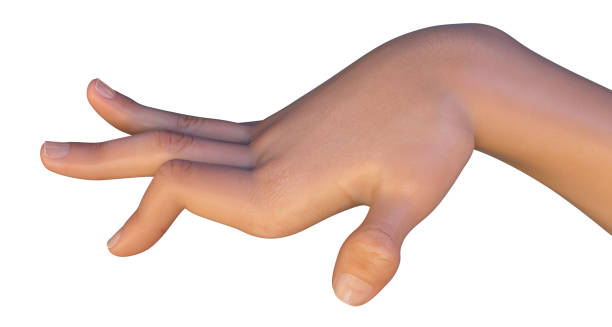
Complications of Dystonia
The complications of dystonia depend on the type and severity of the condition. While some people live with mild symptoms, others experience daily challenges that affect their physical, emotional, and social well-being. Without appropriate support, dystonia can lead to long-term disability and psychological distress.
The most obvious complication is impaired movement. In focal dystonia, such as cervical dystonia, the head may twist involuntarily, causing pain and awkward posture. Over time, this can lead to chronic neck pain, joint strain, or limited range of motion. In generalised dystonia, muscle contractions in the arms, legs, and trunk may interfere with walking, sitting, or self-care, increasing the risk of falls or injury.
Pain is another frequent complication. Muscle spasms can be severe and persistent, especially when posture is distorted. This pain can affect sleep, concentration, and mental health. Over-the-counter medication may offer limited relief, and more specialised treatment is often needed.
Emotional complications are also common. People with dystonia may feel isolated due to the visible nature of their symptoms. Fear of being judged or misunderstood can lead to withdrawal from work, school, or social activities. Anxiety and depression are widespread, particularly in those who wait years for a proper diagnosis or treatment.
Functional Complications
Functional complications may develop when dystonia affects the hands, face, or vocal cords. Writer’s cramp can disrupt school or work tasks. Oromandibular dystonia can impair speech and chewing, making communication and eating difficult. In some cases, patients lose the ability to work in their chosen field, especially if manual skills or public speaking are central to their job.
In children, generalised dystonia can cause scoliosis (spinal curvature), joint deformities, or fixed muscle contractures if not managed early. These complications may require orthopaedic treatment or surgery and can reduce mobility and independence later in life.
In South Africa, the burden of complications is worsened by healthcare inequality. Patients in rural areas may not receive early diagnosis, pain management, or access to botulinum toxin, which could prevent complications from worsening. Those in low-income settings may also struggle to afford transportation to tertiary centres or specialists.
Stigma is a less visible but equally damaging complication. In communities unfamiliar with dystonia, symptoms may be mistaken for mental illness or spiritual affliction. This misunderstanding often leads to exclusion or delay in seeking proper care.
Complications of Dystonia
Fortunately, many complications are preventable with early intervention, education, and consistent management. Physical therapy can reduce stiffness and maintain range of motion. Counselling helps individuals cope with emotional stress. Medications and procedures like botulinum toxin or DBS offer symptom control that may reduce the likelihood of long-term disability.
Understanding the complications of dystonia highlights the need for a multi-faceted approach to care. Medical treatment, emotional support, community awareness, and early rehabilitation all play a role in improving the lives of people with this complex condition.