
Complications of Edwards’ Syndrome
The complications of Edwards’ syndrome are often severe and affect multiple organs and systems. Because Edwards’ syndrome involves an extra chromosome in every cell (in full trisomy 18), it leads to widespread developmental challenges that begin before birth and continue throughout life.
The most serious complications include:
Congenital heart defects – present in over 90% of affected babies, these include holes in the heart or valve abnormalities. These can cause breathlessness, poor circulation, and failure to thrive.
Breathing difficulties – due to weak muscles, irregular brain signals, or structural lung abnormalities. Some babies require constant oxygen or assisted breathing.
Feeding problems – poor sucking reflexes, low energy, and underdeveloped digestive systems make feeding difficult. Malnutrition and dehydration are common.
Neurological issues – including seizures, intellectual disability, and abnormal brain structure.
Kidney and urinary problems, which can affect body chemistry and growth.
Care From Birth
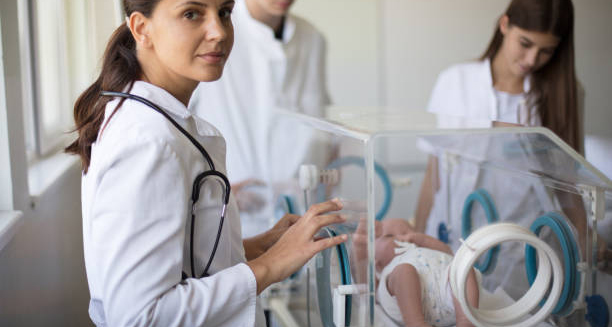
Many babies are born very small and have weak immune systems, making them vulnerable to infections such as pneumonia and urinary tract infections. Repeated hospital stays are common, and some babies may need long-term medical care from birth.
In those who survive past the newborn stage, delayed development is expected. Children may not walk, talk, or feed independently. Many cannot sit up or hold their head without assistance. Some can recognise familiar voices or respond to music or touch, but overall development remains severely limited.
Emotional complications also affect families. Parents face uncertainty, difficult decisions, and grief—whether after a miscarriage, stillbirth, or the early death of a newborn. Mental health support for parents, siblings, and extended families is essential for healing and adjustment.
In South Africa, complications are often made worse by limited access to paediatric specialists, ventilators, or early intervention services. Rural hospitals may not have NICU facilities, leaving families with fewer treatment options. Public health education and improved transport for critical cases can help reduce preventable losses.
Complications of Edwards’ Syndrome
Healthcare professionals must also be trained to recognise signs of Edwards’ syndrome and offer appropriate care options that respect cultural values and family preferences.
Although the condition is life-limiting, not all children are the same. A small number of children with mosaic or partial trisomy 18 survive into their teens. Their lives may be complex, but they bring meaning and joy to their families. These rare cases remind us of the importance of individualised care and ongoing research.
Understanding the complications of Edwards’ syndrome helps parents, doctors, and communities provide informed, respectful, and supportive care—ensuring every child, no matter their condition, is treated with dignity.