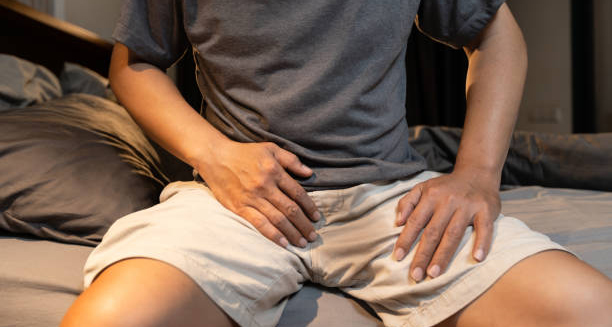
Symptoms of Epididymitis
The symptoms of epididymitis typically develop quickly and can cause significant discomfort. Since epididymitis affects the testicles and surrounding structures, it often leads to both local and general symptoms that should never be ignored. Early treatment can prevent severe complications, including infertility or long-term pain.
Common Symptoms
Scrotal pain – Usually starts on one side and may spread to the groin or lower abdomen.
Swelling and redness – The affected side of the scrotum may become visibly larger, red, and warm to the touch.
Tenderness – Even gentle touch or movement may cause significant discomfort.
Painful urination – A burning sensation or discomfort when passing urine.
Increased urinary frequency or urgency – The urge to urinate more often, especially with accompanying discomfort.
Discharge from the penis – May be present if the cause is a sexually transmitted infection.
Blood in semen – Though uncommon, some men notice pink or red streaks in ejaculate.
Fever and chills – Indicate that the infection is more widespread or severe.
In Chronic Cases
Some men may develop chronic epididymitis, lasting more than six weeks. Symptoms include:
Persistent dull pain or heaviness in the scrotum
Occasional swelling
Discomfort during or after ejaculation
Anxiety or distress about fertility or sexual performance
Chronic cases may occur after incomplete treatment of an initial infection or due to non-infectious inflammation.
Symptoms of Epididymitis in Children
In prepubescent boys, epididymitis is rare but can happen due to trauma, urinary reflux, or structural abnormalities. Symptoms may be mistaken for testicular torsion, which is a medical emergency, so urgent evaluation is essential.
In South Africa
Delayed treatment is a concern in many rural areas. Men may be reluctant to speak up about testicular symptoms due to cultural stigma or fear of being judged. As a result, many present late with advanced infection or complications.
Public education and sexual health awareness campaigns can help reduce this stigma and encourage early diagnosis and treatment.
Recognising the symptoms of epididymitis and seeking medical attention promptly can prevent further discomfort and long-term damage.
[Next: Diagnosis of Epididymitis→]