Treatment of Erythrocytosis
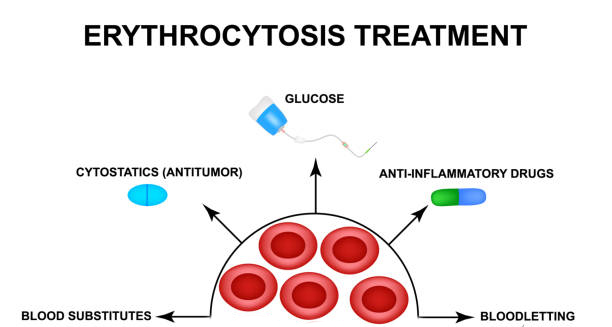
The treatment of erythrocytosis depends on the cause. In most cases, the goal is to reduce the red cell mass, prevent blood clots, and manage underlying conditions. Erythrocytosis can often be controlled successfully with lifestyle changes, medication, or medical procedures.
Treatment of Primary Erythrocytosis
In polycythaemia vera (a form of primary erythrocytosis), treatment includes:
1. Phlebotomy
Regular removal of blood (usually 500ml at a time) reduces red cell count and haematocrit
Keeps blood viscosity within safe limits
Can be done weekly at first, then less often
2. Low-dose Aspirin
Helps prevent blood clots without increasing bleeding risk significantly
Often prescribed long-term
3. Cytoreductive Therapy
Hydroxyurea is the most commonly used medication to suppress bone marrow overproduction
Interferon may be used in younger patients or those who cannot tolerate hydroxyurea
Treatment of Secondary Erythrocytosis
Treatment focuses on the root cause:
Stop smoking, if tobacco use is the cause
Oxygen therapy, for chronic lung disease or hypoxia
Treat sleep apnoea, with CPAP machines or lifestyle changes
Surgical removal of tumours, if a kidney or liver mass is producing excess EPO
Control heart or kidney disease, using the appropriate medication
Secondary cases may not require phlebotomy unless symptoms become severe or haematocrit is dangerously high.
Lifestyle and Monitoring
All patients are encouraged to:
Stay well hydrated
Avoid iron supplements unless specifically needed
Monitor blood pressure and cardiovascular risk
Reduce alcohol intake and avoid high altitudes if advised
Treatment of Erythrocytosis In South Africa
In South Africa, access to phlebotomy services may be limited in rural clinics. Some patients must travel to regional hospitals for procedures. Treatment of underlying causes like TB or COPD remains the priority in many secondary cases.
The treatment of erythrocytosis is highly effective when personalised to the individual’s cause and risk profile. Early intervention prevents serious complications and improves quality of life.
[Next: Complications of Erythrocytosis →]