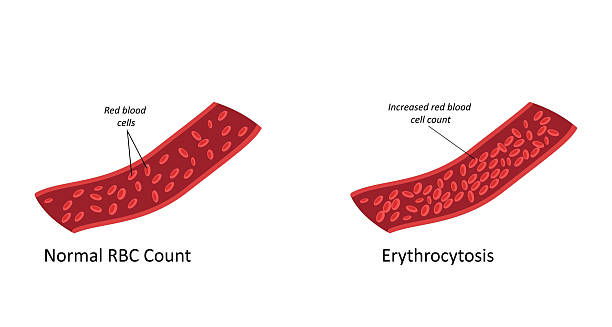
Erythrocytosis
The condition, Erythrocytosis, is a condition in which the body produces too many red blood cells. Erythrocytosis causes the blood to become thicker than normal, which can increase the risk of blood clots, stroke, or heart attack. It is often discovered during routine blood tests showing elevated haemoglobin or haematocrit levels.
Red blood cells are essential for carrying oxygen throughout the body. When there are too many of them, circulation may slow, and oxygen delivery can become less efficient. In some cases, erythrocytosis causes no symptoms and is picked up incidentally. In others, it may lead to headaches, dizziness, blurred vision, or high blood pressure.
There are two main types:
Primary erythrocytosis, often caused by bone marrow disorders like polycythaemia vera (a type of blood cancer)
Secondary erythrocytosis, caused by external factors such as chronic lung disease, living at high altitude, or certain tumours
Erythrocytosis
In South Africa, erythrocytosis may be underdiagnosed due to limited routine screening in many rural areas. People living in mountainous regions or with undiagnosed respiratory illnesses may be at higher risk.
Understanding erythrocytosis is essential for early intervention, especially in patients with cardiovascular risk factors or chronic health conditions.
Recognising the Importance of Early Detection
Erythrocytosis, though sometimes asymptomatic, can have serious consequences if left undetected or untreated. With increased blood viscosity comes a heightened risk of complications such as blood clots, strokes, and heart attacks. As such, recognising early warning signs and investigating elevated haemoglobin or haematocrit levels during routine medical checks can make a significant difference in outcomes. In regions like South Africa, where routine screenings may not be readily available in rural settings, awareness becomes an especially crucial tool in improving public health.
Addressing Underlying Causes and Risk Factors
Effective management of erythrocytosis hinges on correctly identifying whether it is primary or secondary in origin. While primary erythrocytosis often stems from bone marrow disorders like polycythaemia vera, secondary causes range from environmental factors such as high altitude to underlying diseases like chronic lung conditions. Understanding these distinctions allows for more tailored treatment strategies—whether that involves addressing a tumour, improving oxygenation, or managing chronic illnesses that contribute to the condition.
Moving Forward with Awareness and Prevention
Raising awareness of erythrocytosis and improving access to diagnostic resources are key steps toward reducing its impact. Especially in underserved communities. Healthcare providers should remain vigilant for signs of the condition, particularly in patients with risk factors such as smoking, cardiovascular issues, or high-altitude residence. With proactive monitoring and appropriate interventions. The complications associated with erythrocytosis can be mitigated, leading to better long-term health outcomes and enhanced quality of life for those affected.
[Next: Causes of Erythrocytosis →]