Treatment of Excessive Sweating
The treatment of excessive sweating aims to reduce sweat production, control odour, and restore confidence. Excessive sweating can often be managed successfully using topical products, medication, lifestyle changes, or advanced therapies—depending on severity and cause.
First-Line Treatments
For mild to moderate cases:
Clinical-strength antiperspirants, containing aluminium chloride. Applied at night and washed off in the morning, these block sweat ducts.
Powders, to absorb moisture and prevent fungal infections, especially for feet and underarms
Loose, breathable clothing, such as cotton or moisture-wicking fabrics
Socks changed frequently, ideally made of natural fibres or athletic materials
Over-the-counter options may be sufficient for some, but prescription products are available for more stubborn cases.
Oral Medications
When topical treatment isn’t enough:
Anticholinergics (e.g. oxybutynin or glycopyrrolate) – Reduce overall sweating by blocking nerve signals to sweat glands
Beta-blockers or benzodiazepines – Help manage stress-induced sweating
Antidepressants, if anxiety or depression is contributing
Side effects can include dry mouth, blurred vision, or urinary retention—so medical supervision is important.
Botulinum Toxin Injections
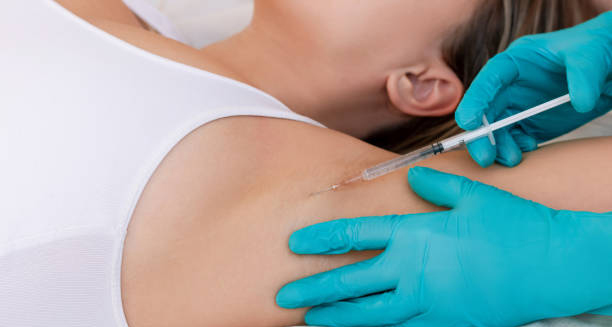
Botox injections are highly effective for underarm, hand, and foot sweating. They work by temporarily blocking the nerves that stimulate sweat glands.
Effects last 4–9 months
Treatment may be repeated as needed
Done in outpatient settings
Botox is safe and well-tolerated but may be costly or inaccessible in some public healthcare settings.
Iontophoresis
A treatment where mild electrical currents pass through water to shut down sweating in hands and feet:
Typically done several times per week
Maintenance sessions needed
Home machines are available
Iontophoresis is suitable for people who sweat heavily from their palms or soles.
Surgery
For very severe, treatment-resistant hyperhidrosis:
Endoscopic thoracic sympathectomy (ETS) – Cuts or clamps the nerves controlling sweating
Highly effective but carries risks like compensatory sweating (excessive sweating in other areas)
Surgery is a last resort and only done after all other options fail.
Treating Secondary Causes
In secondary hyperhidrosis:
Treat the underlying illness (e.g., thyroid disease, infection)
Adjust or stop any triggering medication
Manage hormonal changes in menopause with appropriate therapy
Treatment of Excessive Sweating In South Africa
Access to Botox and iontophoresis is mostly limited to urban centres or private practices. Public sector patients often rely on strong antiperspirants and oral medication. Partnerships between dermatologists and primary care providers can improve care.
The treatment of excessive sweating improves physical comfort, boosts confidence, and helps people re-engage socially. Early intervention leads to better outcomes.
[Next: Complications of Excessive Sweating →]