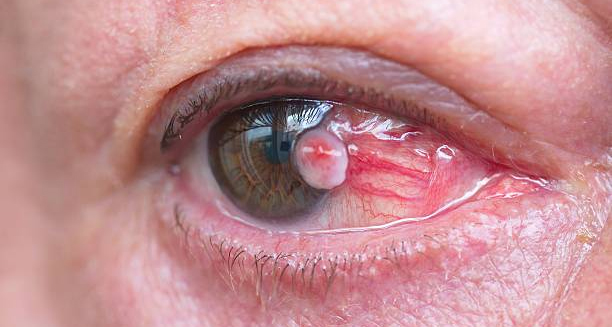
Eye Cancer
Eye cancer refers to any cancer that starts in or around the eye. Although rare, thiscancer can affect people of all ages and may develop in different parts of the eye, including the eyeball (globe), eyelid, orbit (eye socket), or conjunctiva. When detected early, many types of this cancer are treatable, but some can lead to vision loss or spread to other parts of the body if not addressed promptly.
There are several types of this cancer. The most common in adults is intraocular melanoma, which begins in the pigmented cells of the eye. In children, the most prevalent form is retinoblastoma, a genetic cancer that affects the retina. Other forms include squamous cell carcinoma, lymphoma, and sebaceous gland carcinoma, each with varying levels of aggressiveness.
Symptoms may be subtle and are sometimes mistaken for benign eye conditions. These include blurry vision, changes in eye colour, visible tumours, or flashes of light. In some cases, this cancer is discovered during routine eye examinations, emphasising the importance of regular vision screening.
Eye Cancer
While the exact cause of this cancer is not always known, genetic mutations, prolonged UV exposure, and family history may play a role. Research into early genetic markers and improved imaging techniques continues to advance detection and treatment.
Globally, this cancer remains rare, but its impact on vision, appearance, and health can be profound. Recognising the signs early and seeking specialised care are essential for protecting sight and overall wellbeing.
[Next: Causes of Eye Cancer →]