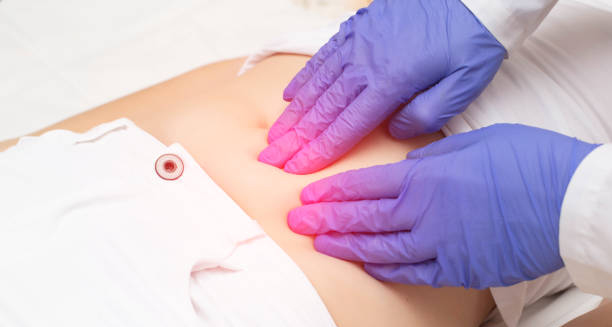
Treatment Options for Fibroids
The treatment options for fibroids depend on symptoms, size, location, age, fertility goals, and overall health. While some fibroids need no treatment, others may require medication, minimally invasive procedures, or surgery. A personalised approach ensures women receive the most appropriate care for their needs.
Watchful Waiting
Many fibroids cause no symptoms and do not require treatment
Regular monitoring with ultrasound may be advised
This is a safe option for women nearing menopause, when fibroids often shrink naturally
Medication
Medications help manage symptoms but do not remove fibroids:
Hormonal birth control pills, patches, or injections to control heavy bleeding
Progestin-releasing intrauterine devices (IUDs) for lightening periods
Tranexamic acid, a non-hormonal option to reduce menstrual blood loss
GnRH agonists, which shrink fibroids temporarily by inducing a menopause-like state
Pain relief medications, such as NSAIDs, to manage cramping
These are typically short-term or for women not ready for surgery.
Minimally Invasive Procedures
1. Uterine Artery Embolisation (UAE)
Blocks blood supply to fibroids, causing them to shrink
Performed under local anaesthetic by a radiologist
Suitable for women not planning pregnancy
2. MRI-guided Focused Ultrasound Surgery (FUS)
Uses high-intensity ultrasound waves to destroy fibroid tissue
Non-invasive but not widely available
Suitable for specific fibroid types
3. Endometrial Ablation
Destroys the uterine lining to control bleeding
Not suitable for women who wish to become pregnant
Surgical Options
1. Myomectomy
Surgical removal of fibroids, preserving the uterus
Suitable for women wishing to retain fertility
May be done laparoscopically, abdominally, or hysteroscopically
2. Hysterectomy
Complete removal of the uterus
The only definitive cure for fibroids
Considered when other treatments fail or in women with severe symptoms who no longer wish to conceive
Lifestyle and Nutritional Support | Treatment Options for Fibroids
Maintaining a healthy weight
Increasing intake of green vegetables and vitamin D
Reducing red meat and alcohol
While not curative, these changes may support overall health and hormone balance.
The wide range of treatment options for fibroids allows for flexible, tailored care. From conservative monitoring to advanced surgery, women can manage fibroids in a way that suits their goals and lifestyle.
[Next: Complications of Fibroids →]