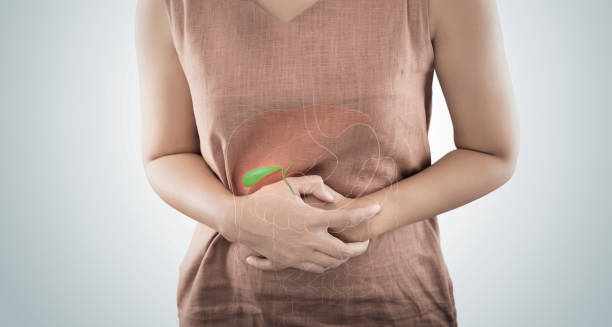
Symptoms of Gallstones
The symptoms of gallstones depend on whether the stones are causing a blockage or irritation in the gallbladder or bile ducts. Gallstones often go unnoticed, but when they obstruct the normal flow of bile, they can lead to a painful episode known as a gallbladder attack or biliary colic.
Asymptomatic (Silent) Gallstones
Most people with gallstones do not experience symptoms
These are often discovered incidentally during scans or surgery for unrelated issues
No treatment is usually required unless symptoms develop
Biliary Colic (Gallbladder Attack)
Sudden and intense pain in the upper right abdomen or middle of the abdomen
Pain may radiate to the back or right shoulder blade
Typically occurs after eating a fatty meal
May last from 30 minutes to several hours
Often accompanied by:
Nausea or vomiting
Bloating
Indigestion
Gallbladder attacks can happen intermittently and may return unless the underlying issue is treated.
Complicated Gallstone Symptoms
If gallstones lead to complications, additional symptoms may appear:
Cholecystitis (Gallbladder Inflammation)
Persistent pain lasting more than six hours
Fever and tenderness in the upper right abdomen
Nausea and vomiting
Requires urgent medical treatment
Choledocholithiasis (Stones in the Bile Duct)
Jaundice (yellowing of the skin and eyes)
Dark urine, pale stools
Severe abdominal pain and fever
Pancreatitis
Inflammation of the pancreas caused by gallstones blocking the pancreatic duct
Severe abdominal pain, nausea, and fever
Requires hospital admission
When to See a Doctor
Seek medical attention if you experience:
Repeated abdominal pain after meals
Signs of infection such as fever and chills
Jaundice or persistent nausea
Symptoms of Gallstones
Recognising the symptoms of gallstones early can help prevent complications and ensure timely treatment.