Causes of Genital Herpes
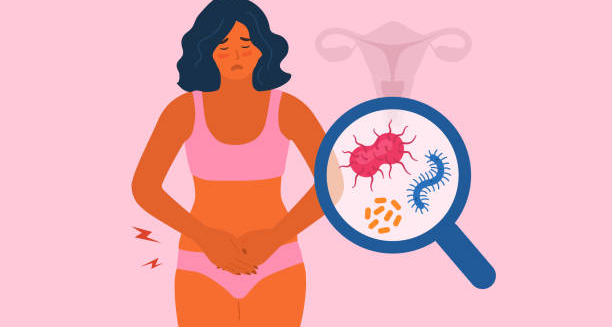
The causes of genital herpes lie in the herpes simplex virus, a contagious infection that is spread primarily through skin-to-skin contact. Genital herpes is caused by two types of herpes simplex virus: HSV-1 and HSV-2. While traditionally HSV-1 is associated with oral herpes and HSV-2 with genital herpes, both types can infect either region of the body.
Transmission Pathways
Genital herpes is most commonly spread through:
Vaginal, anal, or oral sex with someone who has the virus
Skin-to-skin contact, particularly in areas not covered by a condom
Kissing, in cases where HSV-1 is active in the mouth and spreads to the genitals during oral sex
Touching sores or bodily fluids and then touching one’s own genitals, mouth, or eyes without washing hands
Importantly, herpes can be transmitted even when there are no visible signs of infection. This is because the virus can shed from the skin intermittently, a process called asymptomatic viral shedding. This makes it difficult to prevent entirely without open communication and regular STI testing.
Herpes is not spread through:
Toilet seats
Sharing towels or cutlery
Swimming pools
Casual contact like hugging or shaking hands
Primary Infection and Latency
When someone is first exposed to the herpes virus, they may develop a primary infection within days or weeks. This initial outbreak is often the most severe because the body has not yet built up immunity. However, some people have a completely silent first infection and only discover they have herpes when a later outbreak occurs.
Once the virus enters the body, it travels through nerve pathways and remains in a dormant state in the nerve ganglia near the spinal cord. It can stay inactive for weeks, months, or even years. During periods of weakened immunity — such as illness, stress, menstruation, or fatigue — the virus can reactivate and cause another outbreak.
Triggers for Recurrence
While some people may only have one outbreak, others experience recurrences, especially during times of physical or emotional stress. Common triggers include:
Stress or anxiety
Illness or fever
Hormonal changes, particularly around menstruation
Friction or trauma to the affected area during sex
Sun exposure, in cases of HSV-1
Fatigue or poor sleep
Not everyone with genital herpes will experience regular flare-ups, and some may remain symptom-free for years at a time. The frequency and severity of recurrences tend to decrease over time, especially with good self-care and, in some cases, daily suppressive therapy.
Risk Factors
Certain individuals may be more prone to contracting genital herpes or experiencing severe symptoms. These include:
People with multiple sexual partners
Individuals who do not use condoms consistently
Those with a weakened immune system, such as individuals living with HIV or undergoing chemotherapy
People who began sexual activity at an early age
Individuals with another sexually transmitted infection, which may create microtears or inflammation that facilitate viral entry
Herpes in Pregnancy
If a pregnant woman has genital herpes, particularly a first-time infection near the time of delivery, there is a risk of transmitting the virus to the baby during birth. This can lead to neonatal herpes, a rare but serious condition. In such cases, doctors may recommend a Caesarean section to reduce the risk of transmission.
Women who already have a history of herpes prior to pregnancy generally have protective antibodies, which reduce the chance of transmission to the baby. Antiviral medication is often prescribed during the final weeks of pregnancy to prevent an outbreak at delivery.
Misconceptions and Stigma
One of the biggest challenges surrounding genital herpes is the misinformation that fuels stigma. People often wrongly believe:
- It only affects “promiscuous” individuals
- It means someone is unclean or irresponsible
- It is always visible or contagious
Causes of Genital Herpes
In reality, herpes is extremely common, and many people carry the virus unknowingly. Anyone who is sexually active is at risk, and transmission can happen even with precautionary measures. Education and open conversations are vital in reducing shame and encouraging testing and disclosure.
Understanding the causes of genital herpes enables individuals to make informed decisions about their sexual health and relationships. With accurate knowledge and proper precautions, transmission can be minimised, and those with the virus can live confidently and well.