Diagnosis of German Measles
The diagnosis of German measles is based on a combination of clinical presentation, patient history, and—when necessary—laboratory testing. Since German measles (rubella) often presents with mild or non-specific symptoms, accurate diagnosis can be challenging, particularly in areas where the condition is rare due to widespread vaccination.
However, in populations with lower vaccine coverage or among individuals with uncertain immunisation histories, healthcare providers must maintain a high index of suspicion—especially when exposed individuals include pregnant women.
Clinical Diagnosis
Rubella is most often diagnosed clinically, based on the typical progression of symptoms. Doctors will consider:
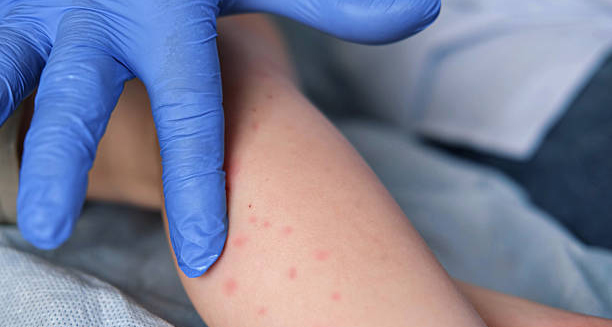
Appearance and distribution of the rash
Swollen lymph nodes, particularly behind the ears and in the neck
Mild fever and joint pain, especially in adult women
The timing of onset and how quickly symptoms spread
Recent exposure to someone with a similar illness or history of travel to an outbreak area
A thorough patient history is critical, particularly to determine:
Vaccination status
Possible contact with infected individuals
Pregnancy status or plans to conceive
The presence of postauricular and posterior cervical lymphadenopathy, combined with a facial rash that spreads to the body, is highly suggestive of rubella.
Laboratory Confirmation
Due to the overlap of rubella symptoms with other illnesses like measles, scarlet fever, roseola, and enteroviral rashes, laboratory testing is sometimes needed to confirm the diagnosis. This is especially true during outbreak investigations or in high-risk settings.
1. Rubella IgM Antibody Test
Detects rubella-specific IgM antibodies in the blood
IgM becomes detectable within 4–5 days after the rash appears
A positive IgM result confirms recent infection
2. IgG Antibody Test
Measures rubella-specific IgG antibodies
Can distinguish between past infection or vaccination immunity
Often used in prenatal screening or epidemiological studies
A fourfold increase in IgG titres between paired samples collected two weeks apart can also indicate recent infection.
3. RT-PCR (Reverse Transcription Polymerase Chain Reaction)
Detects rubella virus RNA in a throat swab, blood, or urine
Used in settings where precise viral identification is required
Most useful in early infection or in suspected congenital rubella cases
RT-PCR is highly sensitive but may not be widely available outside specialised or reference laboratories.
Differentiating Rubella from Other Conditions
Many conditions present with similar symptoms to rubella, especially in children. A correct diagnosis must exclude:
Measles – higher fever, more severe symptoms, and Koplik spots
Scarlet fever – associated with streptococcal throat infection and “strawberry tongue”
Roseola – fever precedes rash and typically affects infants
Drug reactions – allergic rashes may resemble rubella but lack systemic signs
In areas with widespread rubella vaccination, it is crucial to verify that a rash illness isn’t due to other more common viruses.
Special Considerations for Pregnant Women
If a pregnant woman presents with a rubella-like illness or is exposed to a confirmed case, she should undergo immediate testing to determine:
Whether she is immune (IgG positive)
Whether she has a current infection (IgM positive and/or viral RNA present)
A confirmed rubella infection in pregnancy requires urgent obstetric and infectious disease consultation, as the risks to the developing foetus are significant.
Even without symptoms, routine prenatal screening for rubella immunity is recommended to ensure protection before or during early pregnancy.
Public Health Notification
Rubella is a notifiable disease in many countries. Healthcare providers must report suspected or confirmed cases to public health authorities to:
Prevent further transmission
Track outbreaks
Ensure protection of pregnant individuals who may have been exposed
This surveillance allows for timely vaccination campaigns, educational efforts, and community containment measures.
Screening and Immunity Testing
Routine serological screening is recommended for:
Women planning to conceive
Healthcare workers and child-care staff
People migrating from countries without universal vaccination programmes
Seronegative individuals (those without protective antibodies) should be offered rubella vaccination unless contraindicated.
Diagnosis of German Measles
Knowing how to confirm the diagnosis of German measles helps clinicians act swiftly and protect high-risk populations from serious complications, particularly congenital infections.